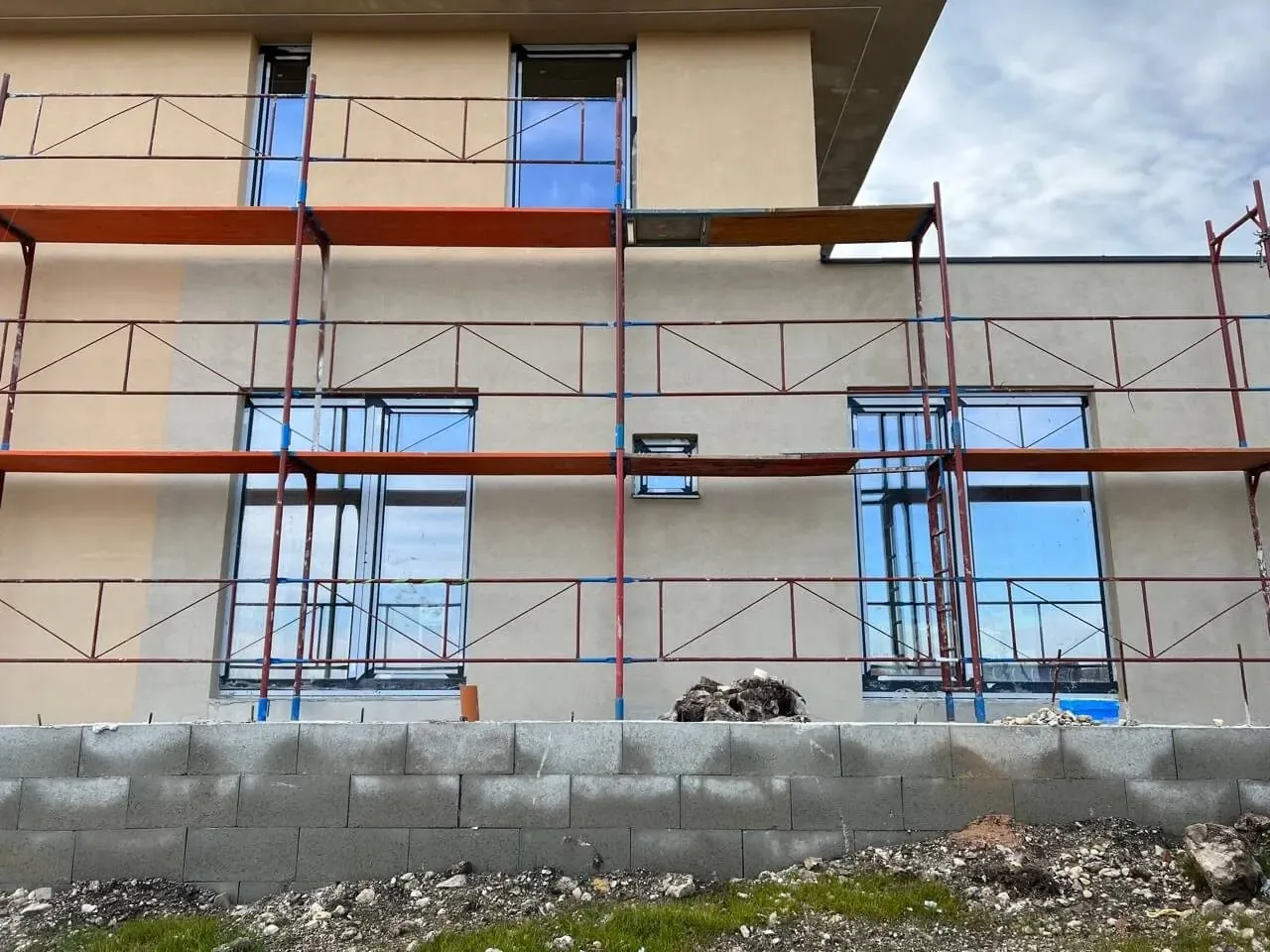
Wekerle Plusz energy renovation grant: up to HUF 7.5 million – what we know so far
Up to HUF 7.5 million in non-repayable grant and a preferential loan at 3% will be available for energy renovation.
Up to HUF 7.5 million in non-repayable grant and a preferential loan at 3% will be available for energy renovation. Since 21 October we also know that a renovation of up to HUF 15.5 million for a detached house, and up to HUF 5.2 million per flat in an apartment building, can be supported, with an own contribution of HUF 500,000 and HUF 200,000 respectively. We have gathered what is certain, what has changed since the announcement, what is not yet known, and what is worth doing right now.
Prime Minister Péter Magyar announced the Wekerle Plusz programme when presenting the 2027 budget to Parliament. Its third pillar is the Wekerle Plusz Energy Renovation Grant and Loan. According to the announcement, it will be available in every municipality in the country, with no condition tied to marriage or having children.
Important: for now this is an announcement. The government decree and the application conditions had still not been published as of 26 October 2026. Below we describe only what several sources reporting on the announcement, compared against each other, stated consistently – and we flag separately what is still an open question.
Summary
- Grant and loan (19 October): 30–50% non-repayable state grant, up to HUF 7.5 million; preferential loan at a fixed 3% interest rate.
- Renovation ceiling (21 October): for a detached house, a renovation of up to HUF 15.5 million, of which up to HUF 15 million is support (the non-repayable part and the preferential loan together), with an own contribution of up to HUF 500,000. For a flat in an apartment building, up to HUF 5.2 million per flat, of which up to HUF 5 million is support, with an own contribution of up to HUF 200,000.
- Condition: an energy saving of at least 30%.
- Grant rate: 50% for the worst energy rating, 30% for a medium rating.
- Eligible works (21 October): insulation, window and door replacement, heat pump, modern lighting, solar panels, domestic hot water generation, connection to district heating, building services investment, shading.
- For whom: in every municipality in the country, for single people too; marriage or children are not a condition.
- Start: from 2027, provided the programmes currently under discussion are adopted.
- Not yet known: the administering body, the loan term, the exact split between the non-repayable part and the loan, the application process, and for apartment buildings, who the applicant is.
Update: what has emerged since 19 October?
Since the announcement, two ministers have given more detail about the programme. No official decree or call for applications had been published as of 26 October 2026.
| Date | Who | What they stated |
|---|---|---|
| 19 October | Prime Minister Péter Magyar, Parliament | Loan up to HUF 15 million, fixed 3%; 30–50% non-repayable grant, up to HUF 7.5 million; an energy saving of at least 30%; around 20,000 households a year, around HUF 40 billion in grants |
| 20 October | András Kármán, Minister of Finance | “The Wekerle Programme will also have a renovation leg.” A HUF 15 million budget, half of which is non-repayable for homes with the worst rating, falling to around 30% as the rating improves; the rest may be a loan at around 3%. The non-repayable part will not come from the budget but partly from CO2 allowance revenue and partly from EU funds. |
| 21 October | István Kapitány, Minister for Economy and Energy (Facebook) | Detached house: renovation of up to HUF 15.5 million, of which up to HUF 15 million is support, own contribution up to HUF 500,000. Flat in an apartment building: renovation of up to HUF 5.2 million per flat, of which up to HUF 5 million is support, own contribution up to HUF 200,000. 30,000 homes a year (half detached houses, half flats in apartment buildings), 120,000 by 2030; a planned budget of HUF 600 billion; from 2027, provided the programmes currently under discussion are adopted. |
How do the figures fit together? According to the statement of 21 October, the HUF 15 million is the total amount of support: the non-repayable part and the preferential loan together. Based on the Minister of Finance's words, for houses with the worst rating half of this, i.e. HUF 7.5 million, may be non-repayable and the rest a loan. So the HUF 7.5 million and the HUF 15 million must not be added together. The exact split will be set by the final rules.
New element: flats in apartment buildings. The announcement of 19 October still spoke of homes only in general terms. Since 21 October we know that the programme also covers flats in apartment buildings, with around 15,000 flats a year. Whether the condominium community or the individual owner will be the applicant there is not yet known. In an earlier programme in 2015 the condominium applied, on the basis of a majority decision of the general meeting according to ownership shares. If the aim is the building's façade, windows or heating, it is worth starting to prepare the general meeting now.
What was announced on 19 October?
| Element | Announced content |
|---|---|
| Programme name | Wekerle Plusz Energy Renovation Grant and Loan |
| Announcement | 19 October 2026, Parliament, presentation of the 2027 budget |
| Geographical scope | Every municipality in the country, including Budapest |
| Family condition | None; marriage and having children are not conditions |
| Loan | Up to HUF 15 million, fixed 3% interest (according to the announcement, the amount available rises from HUF 6 million to HUF 15 million) |
| Non-repayable grant | 30–50%, up to HUF 7.5 million |
| Grant rate | 30% for a medium energy rating, 50% for the worst rating |
| Condition | An energy saving of at least 30% |
| Named works | Insulation of residential buildings, window and door replacement, modernisation of the heating system |
| Volume | Around 20,000 households a year, around HUF 40 billion in non-repayable grants |
The HUF 7.5 million ceiling is exactly 50% of the HUF 15 million loan. Several reports describe the grant as a percentage of the loan, others as a percentage of the renovation costs. What exactly the 30–50% is measured against will be decided by the detailed rules.
A simple calculation of our own from the figures of 19 October: HUF 40 billion a year divided among 20,000 households means an average grant of around HUF 2 million per household. The statement of 21 October already works with 30,000 homes a year and a planned budget of HUF 600 billion; according to reports, this is not an annual amount. How the two statements relate will be clarified by the final rules. In every case, the HUF 7.5 million is the maximum, not the average.
What is not yet known?
| Question | Status on 26 October 2026 |
|---|---|
| When does it start? | From 2027, provided the programmes currently under discussion are adopted (István Kapitány, 21 October). No exact date. |
| Who administers it? | Not named (a bank, MFB or another institution). |
| What is the loan term? | Not known. |
| What is the split between the non-repayable part and the loan? | According to the Minister of Finance, half of the HUF 15 million budget for the worst rating, around 30% as the rating improves. No final rule yet. |
| When is the grant paid out? | Not known. |
| Is an own contribution required? | Yes: according to the announcement, up to HUF 500,000 for a detached house and up to HUF 200,000 for a flat in an apartment building. |
| Is an energy performance certificate required? | Not known. The grant rate is tied to the energy rating and the condition to the saving, so it is likely – it was mandatory in the previous programme. |
| Which buildings? | Announced: detached houses and flats in apartment buildings. No condition on the year of construction is known. |
| Who applies in an apartment building? | It is not known whether the condominium or the individual owner. |
| Solar panels, heat pumps? | Since 21 October they are among the eligible works. The detailed rules (for example on gas appliances) are not known. |
| Can it be combined with other programmes? | Not known (for example with the Wekerle Plusz home purchase loan or the rural CSOK). |
What will it be possible to spend it on?
The announcement of 19 October named insulation, window and door replacement and heating modernisation. According to István Kapitány's statement of 21 October, the range of eligible works is broader: insulation, window and door replacement, heat pumps, modern lighting, solar panels, domestic hot water generation, connection to district heating, building services investment and shading. With these measures the 30% energy saving can be achieved in most detached houses.
Professional experience shows that in a previously uninsulated house, renovating the whole building envelope – façade, loft floor or roof, window replacement where needed – can save as much as 60–70% of the heating energy, depending on the building. The 30% threshold can therefore be met in most old houses if the measures are planned as a system.
| Measure | Its role in the saving | What to watch |
|---|---|---|
| Façade thermal insulation | Typically the largest item in an uninsulated house | As a system (adhesive, dowels, mesh, render), together with the plinth |
| Loft floor or roof pitch insulation | Large effect at low cost | Vapour barrier, ventilation |
| Window and door replacement | Heat loss and airtightness | Installation coordinated with the façade insulation |
| Heating modernisation | Efficiency improvement | Sized for the reduced heat demand after insulation |
We wrote in detail about the order of work and the coordination of the trades in our house renovation guide.
Example: how much grant could be available?
The examples below apply the percentages announced on 19 October and the HUF 7.5 million ceiling, calculated on the full renovation cost. They also take into account the ceilings of 21 October: a renovation of up to HUF 15.5 million for a detached house and up to HUF 5.2 million for a flat in an apartment building. What exactly the percentages are measured against will be decided by the final rules.
| Property | Renovation cost | Non-repayable rate | Calculated non-repayable grant |
|---|---|---|---|
| Detached house with a medium rating | HUF 10 million | 30% | HUF 3 million |
| Detached house with the worst rating | HUF 10 million | 50% | HUF 5 million |
| Detached house with the worst rating | HUF 15.5 million (the ceiling) | 50% | HUF 7.5 million (the ceiling instead of 7.75 million) |
| Flat in an apartment building, worst rating | HUF 5.2 million (the ceiling) | 50% | around HUF 2.6 million, if the same rate applies to flats |
The remainder – after deducting the own contribution (up to HUF 500,000 for a detached house, up to HUF 200,000 for a flat) – may be covered by the preferential loan.
What came before? The Energy Home Renovation Programme
The new programme is not without precedent. The previous government's Energy Home Renovation Programme (through MFB Pont Plusz branches) offered, after its expansion in autumn 2025, a non-repayable grant of up to HUF 5 million and an interest-free loan of up to HUF 5 million. It applied to detached houses built before 2007, subject to a saving of at least 30% certified by an energy performance certificate.
The budget was exhausted: in April 2026 the programme was first suspended in Budapest and the more developed counties, then stopped nationwide. Applications could last be submitted on 23 April 2026.
| Energy Home Renovation Programme (closed) | Wekerle Plusz energy (announced) | |
|---|---|---|
| Non-repayable grant | Up to HUF 5 million | 30–50%, up to HUF 7.5 million |
| Loan | Up to HUF 5 million, interest-free | Preferential, fixed 3% |
| Renovation ceiling | – | Detached house HUF 15.5 million, flat in an apartment building HUF 5.2 million |
| Own contribution | 5% | Detached house up to HUF 500,000, flat up to HUF 200,000 |
| Energy saving | At least 30% | At least 30% |
| Buildings | Detached houses built before 2007 | Detached houses and flats in apartment buildings |
| Status | Closed on 23 April 2026 | Announced, from 2027; no detailed rules yet |
The terms of the two programmes are not the same: in the new programme the ceilings of both the grant and the loan are higher, but the loan is not interest-free – it carries 3%.
What is worth doing right now?
- Have the house or flat surveyed. Which measure will achieve the 30% energy saving? This can be calculated from the condition of the façade, the floor slab, the windows and the heating.
- Have an energy performance certificate prepared for the current condition. According to the announcement, the grant rate is determined by the energy rating; in the previous programme a certificate before and after the renovation was mandatory.
- Ask for an itemised cost estimate. Tailored to the HUF 15.5 million or HUF 5.2 million ceiling and to the eligible works – a single lump-sum "approx." quote will not be enough for this.
- In an apartment building, prepare the general meeting. If the aim is the façade, the shared heating or replacing the windows, the community has to decide on the technical scope, the financing and the risks.
- Do not start the work intended for the grant before the call is published. Until it is known whether work already started is eligible, an investment built on the grant is worth preparing, but not starting.
- Do not postpone urgent work. A leaking roof, a damp wall or dangerous wiring cannot wait for the programme.
- Book capacity. With 30,000 renovations a year, reliable contractors may fill up quickly in 2027.
The grant covers part of the investment. A good plan decides whether the rest of the money is well spent too.
Energy renovation with TeleHome
TeleHome carries out house renovation and energy modernisation in Budapest and Pest county: thermal insulation, window and door replacement and heating modernisation, in one hand. After the survey we prepare an itemised cost estimate and put the measures together so that the 30% energy saving target can be met. Once the programme's detailed rules are published, we update our clients' quotes accordingly. Request a survey.
Frequently asked questions
How much is the Wekerle Plusz energy renovation grant?
According to the announcement, a 30–50% non-repayable grant of up to HUF 7.5 million, alongside a preferential loan at a fixed 3%. Since 21 October we know that for a detached house a renovation of up to HUF 15.5 million can be supported, of which up to HUF 15 million is support (the non-repayable part and the loan together) and up to HUF 500,000 is own contribution. For a flat in an apartment building the corresponding figures per flat are HUF 5.2 million, HUF 5 million and HUF 200,000.
When does the programme start?
From 2027, provided the programmes currently under discussion are adopted – this was stated by István Kapitány, Minister for Economy and Energy, on 21 October. There is no exact date, application method or administering body yet.
Who can apply?
According to the announcement, it can be applied for in every municipality in the country, by single people too; marriage and having children are not conditions. It will be available for both detached houses and flats in apartment buildings. For apartment buildings it is not yet known whether the condominium or the individual owner will be the applicant.
What can the grant be spent on?
According to the statement of 21 October, on insulation, window and door replacement, heat pumps, modern lighting, solar panels, domestic hot water generation, connection to district heating, building services investment and shading. The condition is an energy saving of at least 30%.
Can the previous home renovation subsidy still be applied for?
No. The budget of the Energy Home Renovation Programme has been exhausted; applications could last be submitted on 23 April 2026.
Related services: House renovation and modernisation · Thermal, acoustic and waterproofing insulation · Window and door replacement · Survey and cost estimate
Related articles: House renovation: complete guide · Wekerle Plusz loan: 3% and 5% · Facade insulation on a family house
We keep this information up to date. This article is based on the government announcement of 19 October 2026, the statements of András Kármán, Minister of Finance, on 20 October and István Kapitány, Minister for Economy and Energy, on 21 October, and the press coverage of them. No official decree or call for applications had been published as of 26 October 2026; we will update the article once they appear. Last updated: 26 October 2026.
Sources: Portfolio – live coverage, 19 Oct 2026 · Portfolio – the announcement · Telex · Infostart · money.hu · HVG – the previous programme stopped, 20 Apr 2026 · money.hu – the Home Renovation Programme has ended, 23 Apr 2026 · Bank360 – expansion of the previous programme
Sources for the update (20–23 October): Portfolio – András Kármán on the budget, 20 Oct · Portfolio – István Kapitány's list, 21 Oct · Index, 21 Oct · Economx, 21 Oct · Portfolio – ÉVOSZ, 21 Oct · Portfolio – condominium renovations, 23 Oct
Request a no-obligation quote
On-site survey, itemised cost estimate, fixed deadline and warranty – we reply within 1 business day.
- Reply within 1 business day
- Itemised cost estimate
- Fixed price, fixed deadline, warranty
Related articles
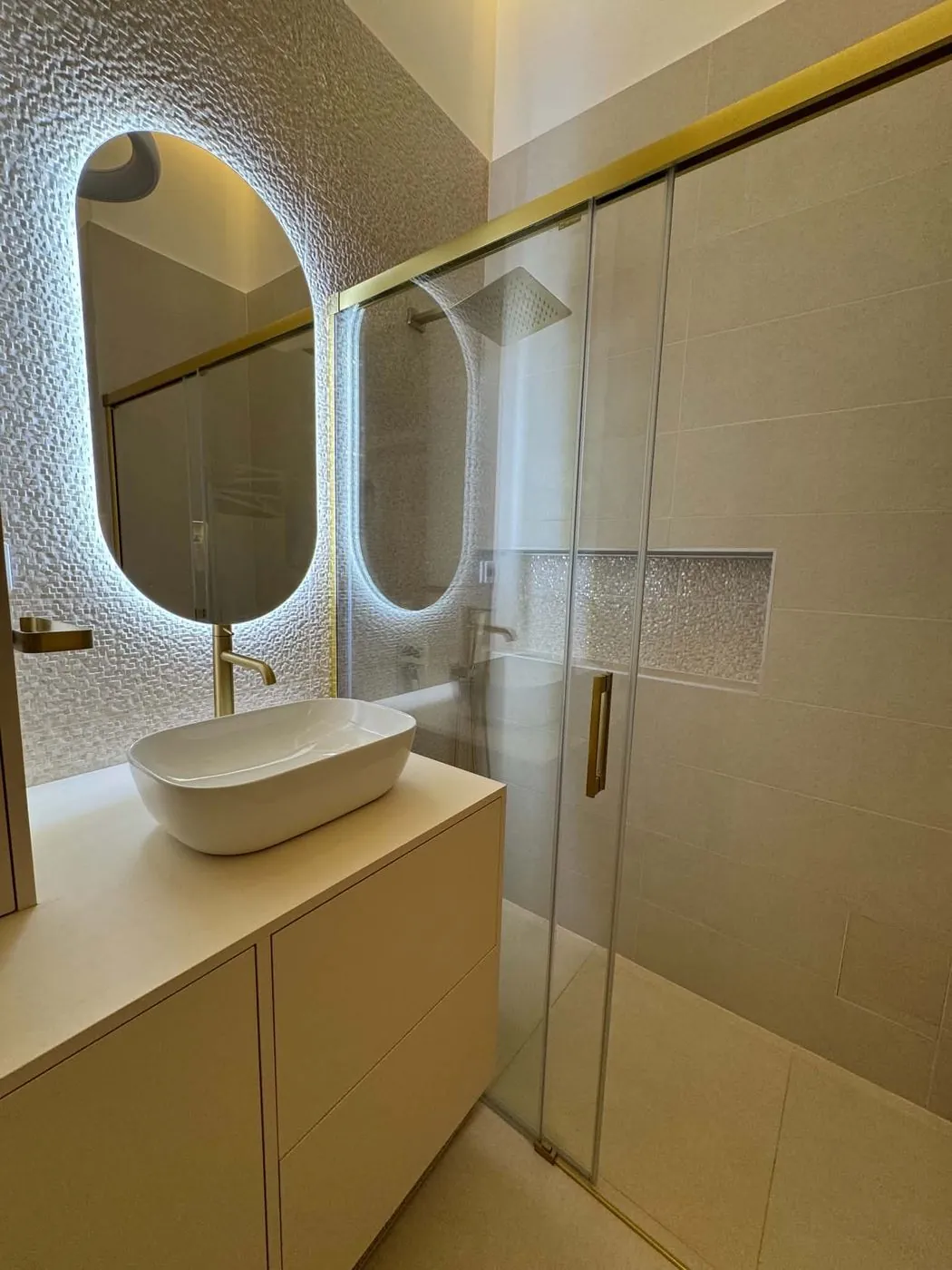
Apartment Modernization: Windows, Heating, Hot Water and Insulation
Modernizing an apartment starts where painting ends: windows, heating, hot water and insulation. These decide your utility bills and how the home actually feels.
Read more →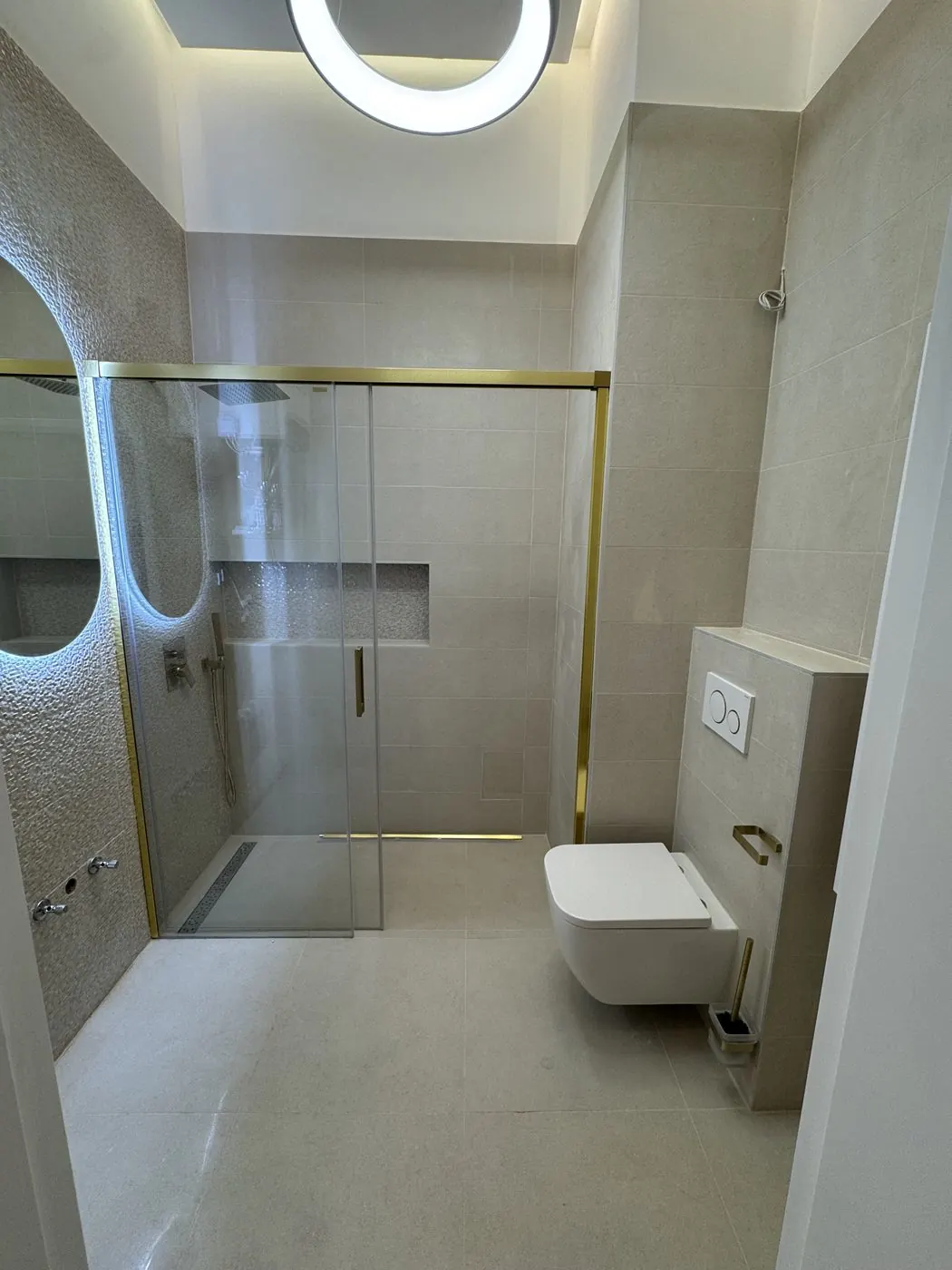
Bathroom Renovation Step by Step: From Demolition to Painting
The bathroom is the densest room of any home: water, electricity, humidity and tiling meet on a few square metres. Its renovation tolerates no improvisation – from demolition to painting, every step works for the next one.
Read more →
Partial Apartment Renovation: What It Includes and the Right Order of Work
Not every apartment needs a full renovation. If the plumbing and wiring are in good shape, a well-planned partial renovation – new flooring, interior doors, fresh paint, new fixtures, even a complete bathroom – can give you…
Read more →