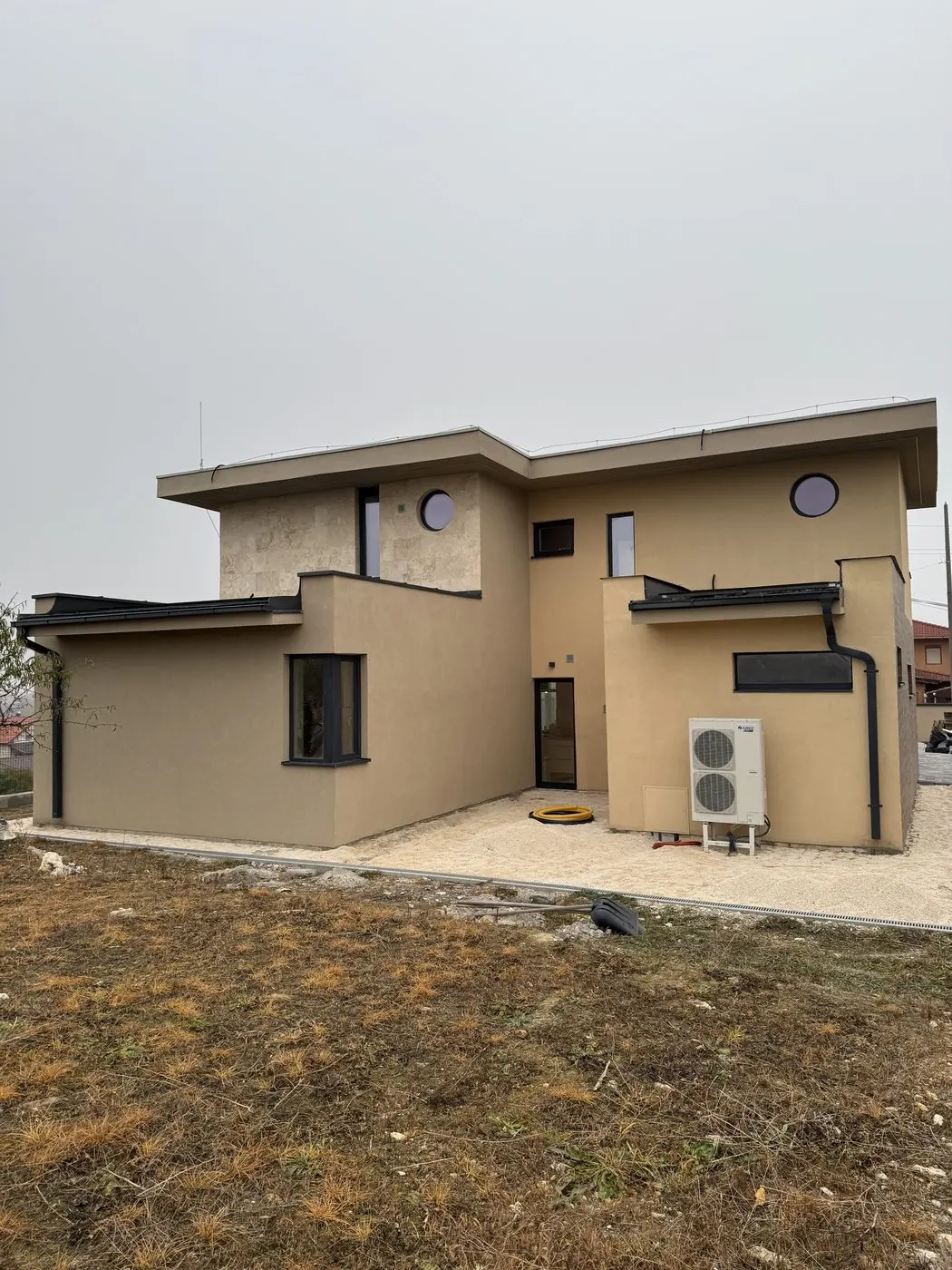
Wekerle Plusz loan: 3% for new homes and building, 5% for used homes – what we know so far
Wekerle Plusz is replacing Otthon Start. It promises a fixed 3% rate for buying or building a new home and a fixed 5% rate for a used home, but only for 18–41-year-olds, for a first home and with a compulsory five-year residence requirement.
Wekerle Plusz is replacing Otthon Start. It promises a fixed 3% rate for buying or building a new home and a fixed 5% rate for a used home, but only for 18–41-year-olds, for a first home and with a compulsory five-year residence requirement. We have gathered what was announced on 19 October 2026, what is still open, and what it means for anyone planning to build or buy a home.
Prime Minister Péter Magyar announced, when presenting the 2027 budget to Parliament, that the Otthon Start programme will end and the Wekerle Plusz programme will take its place. The programme rests on three pillars: a home purchase and building loan, a state-subsidised home savings account (lakástakarék), and an energy renovation grant and loan.
This article covers the first two. We have written about the energy renovation pillar in a separate article. The government decree had not been published by 20 October 2026, so what follows is based on the announcement and on the press reports about it, cross-checked against each other.
Summary
- Interest rate: fixed 3% for buying or building a new home, fixed 5% for buying a used home.
- Who: first-home buyers and builders aged 18–41.
- Conditions: compulsory five-year residence; neither the applicant nor their spouse may hold a share of 50% or more in another property.
- Otthon Start: the terms of contracts already signed will not change.
- Home savings account (lakástakarék): the state tops up 10% of the payments in the first five years and 20% from the sixth year.
- 5% VAT on new homes: according to the announcement, it remains in 2027 for building and buying new homes.
- Not yet known: the exact launch date, the maximum loan amount, the term, the purchase price and price-per-square-metre caps, and until when Otthon Start loans can still be applied for.
What exactly was announced?
| Item | Announced content |
|---|---|
| Programme name | Wekerle Plusz (the purchase and building loan pillar) |
| Announcement | 19 October 2026, Parliament, presentation of the 2027 budget |
| What does it replace? | The Otthon Start programme |
| Interest rate – buying or building a new home | Fixed 3% |
| Interest rate – buying a used home | Fixed 5% |
| Age | 18–41 |
| Target group | First-home buyers and builders |
| Residence | Compulsory to live in the property as your main residence for at least 5 years |
| Ownership condition | Neither the applicant nor their spouse may hold a share of 50% or more in an existing property |
| Bank commission | The government will cut it significantly (no figure was given) |
| Existing Otthon Start contracts | Remain in force on unchanged terms |
According to the Prime Minister's reasoning, the aim of Otthon Start was right, but the support went to the wrong place: he claimed that 59% of state-subsidised home loans went to the highest-income decile, and some people bought several homes for investment purposes. The residence and ownership conditions are meant to filter out investment purchases.
What is not yet known?
| Question | Status on 20 October 2026 |
|---|---|
| When does it start? | No exact date; the press reports a 2027 launch. |
| Until when can Otthon Start still be applied for? | No deadline announced. |
| Maximum loan amount, term | Not known. |
| Purchase price and price-per-square-metre caps | Not known. |
| Deposit | Not known; the banks' credit assessment (income, debt-to-income ratio, credit register, collateral) is expected to continue to apply. |
| Income condition | Not mentioned. |
| Exact interpretation of the age limit | Not known whether the limit is turning 41 or turning 42, and which partner has to qualify in the case of couples. |
| Exceptions | Not known what happens on a change of job, a divorce or an inherited ownership share. |
| Can it be used for renovation? | Not known. (Otthon Start was for purchase and building, not for renovation.) |
Otthon Start and Wekerle Plusz compared
| Otthon Start (from 1 September 2025) | Wekerle Plusz (as announced) | |
|---|---|---|
| Interest rate | Fixed 3% | New home, building: fixed 3%; used home: fixed 5% |
| Age limit | None | 18–41 |
| Family condition | None | Not mentioned |
| Ownership condition | In the past 10 years at most a 50% ownership share or a property worth at most HUF 15 million | Neither the applicant nor their spouse may hold a share of 50% or more |
| Residence | Not compulsory, the property could also be let | Compulsory for 5 years |
| Loan amount | Up to HUF 50 million | Not known |
| Term | Up to 25 years | Not known |
| Purchase price cap | Flat HUF 100 million, family house HUF 150 million | Not known |
| Deposit | As low as 10% | Not known |
How much does the difference between 3% and 5% matter?
Calculated with annuity repayments, an unchanged interest rate and no fees (our own, verified calculation):
| Loan | Term | Monthly repayment at 3% | Monthly repayment at 5% | Difference over the full term |
|---|---|---|---|---|
| HUF 30 million | 20 years | approx. HUF 166,400 | approx. HUF 198,000 | approx. HUF 7.6 million |
| HUF 40 million | 25 years | approx. HUF 189,700 | approx. HUF 233,800 | approx. HUF 13.2 million |
In the HUF 40 million, 25-year example the total repayment is approx. HUF 56.9 million at 3% and approx. HUF 70.2 million at 5%. New homes and building therefore gain a competitive edge over used homes through the interest rate as well. We will update the examples once the final loan amounts and terms are known.
For those building: what does the 3% mean?
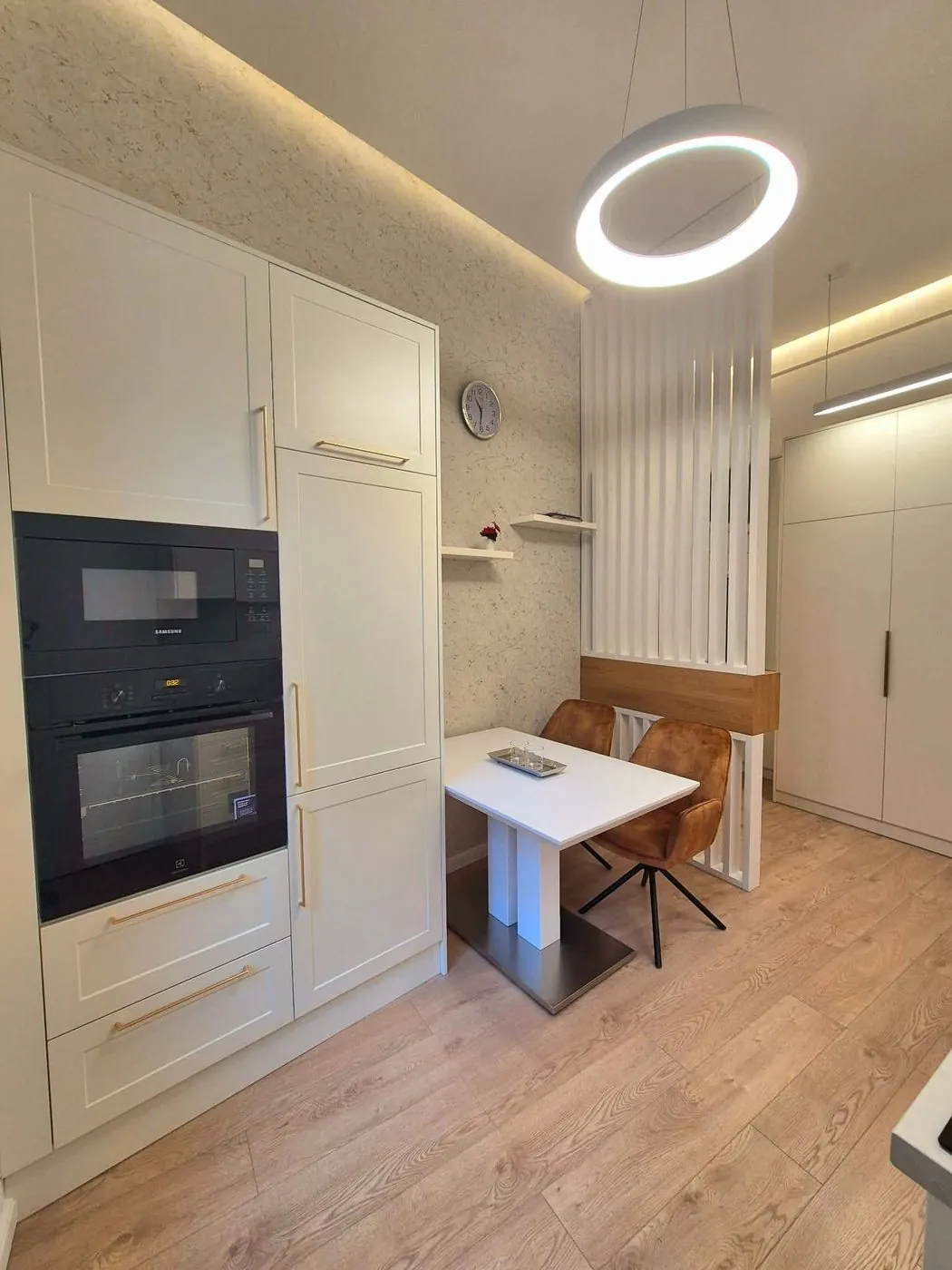
For anyone aged 18–41 building their first home, Wekerle Plusz offers the same fixed 3% rate as Otthon Start. Alongside it, according to the announcement, the reduced 5% VAT on building and buying new homes remains in 2027 – the exact conditions will be set out in the legislation, so for a specific project it is worth checking with a tax adviser.
Practical points when building:
- Bank disbursement is staged. Banks usually release a building loan in instalments tied to the stage of completion, so the contractor's payment schedule has to follow this.
- The itemised cost estimate and the fixed technical specification are core documents for the credit assessment and the valuation too.
- The plot and the permits often take more time than expected – we wrote about this in our plot-buying checklist.
- The residence requirement means the house has to be designed as your own home, not as an investment.
On the phases and deadlines of traditional house building: Brick/YTONG house building process.
For used-home buyers: what does the 5% mean?
Buyers of used homes come off worst: instead of the 3% of Otthon Start, the rate will be 5%, and the age limit narrows the circle too. According to the summary by Világgazdaság, in early 2026 around 80% of home loans were interest-subsidised, so the change may affect the used-home market broadly. According to the Duna House analyst, sellers will have to expect more realistic prices; the extent of the change depends on the final conditions and the launch date.
With a used home, however, it is not only the interest rate that counts, but also how much has to be spent on it before moving in. Old wiring, outdated plumbing and heating or an uninsulated house can run to several million forints – and that is an argument in the price negotiation too. What to look at before buying and what to get done before moving in: Renovating after buying a flat.
With a used family house, the energy pillar of Wekerle Plusz may also come into play. Whether the two schemes can be combined is not yet known.
Home savings account (lakástakarék): the state subsidy returns
| Item | Announced content |
|---|---|
| Savings period | 5 or 10 years of regular saving |
| State top-up in years 1–5 | 10% of the payments, non-repayable |
| State top-up from year 6 | 20% of the payments, non-repayable |
| Bank interest | According to the reports, on top of the 3% bank interest |
| Annual or total cap | Not known |
| Launch | Not known |
The state-subsidised home savings account was abolished in 2018; at that time the subsidy was 30% of the payments, up to HUF 72,000 per year. The new system starts with a smaller percentage, but it can help with saving up a deposit and, later, with financing a renovation.
What does not change
According to the announcement, the rules of the Babaváró loan, CSOK, rural CSOK and the utility price cap will not change in the 2027 budget. Alongside Wekerle Plusz, the Wekerle Sándor Housing and Student Hall Construction Programme will also start from 2027, with HUF 30 billion of EU funding in its first year for affordable rental homes and student hall places.
> The interest rate makes the loan cheaper. What the flat or the house costs afterwards depends on the technical specification.
What should you do now?
- If you already have an Otthon Start contract: according to the announcement, its terms will not change.
- If you would apply for Otthon Start: the date of the switchover is not yet known. Credit assessment and signing the contract can take weeks, so it is worth talking to your bank or an independent mortgage adviser now.
- If you would build: the plot, the plans and the contractor's cost estimate can be prepared now, so that the loan application can be submitted quickly at launch.
- If you would buy a used home: work out the repayment at 5% and the expected renovation cost together.
- Do not decide before the detailed rules are out where the conditions (age limit, ownership share, loan amount) may be decisive in your situation.
This article is for information only and is not financial advice. Before taking out a specific loan, it is worth consulting your bank or an independent mortgage adviser.
House building and renovation with TeleHome
TeleHome builds turnkey brick/YTONG family houses within roughly 50 km of Budapest, with an itemised cost estimate and a deadline fixed in the contract – with a payment schedule that follows the bank's disbursement. We also take on the full renovation of used flats and houses, even from the survey before purchase. Request a quote.
Frequently asked questions
What is the Wekerle Plusz loan?
The successor to Otthon Start, announced on 19 October 2026. It is available to first-home buyers and builders aged 18–41: a fixed 3% rate for buying or building a new home and a fixed 5% rate for a used home.
When does Wekerle Plusz start?
There is no exact date yet. It was announced as part of the 2027 budget; the press reports a 2027 launch.
Until when can Otthon Start still be applied for?
No deadline has been announced yet. The terms of Otthon Start contracts already signed will not change.
What are the conditions of Wekerle Plusz?
According to the announcement: age 18–41, a first home, a compulsory residence of at least five years, and neither the applicant nor their spouse may hold a share of 50% or more in another property. The loan amount, the term and the price cap are not yet known.
Can I build a house with a Wekerle Plusz loan?
Yes, according to the announcement, building a new home qualifies for the fixed 3% rate.
Will the 5% VAT on new homes remain?
According to the announcement, the reduced 5% VAT rate on building and buying new homes will remain in 2027. The detailed conditions will be set out in the legislation.
Related services: House building – overview · Brick / YTONG house building · Apartment renovation from one source · Survey and cost estimate
Related articles: Wekerle Plusz energy renovation grant · Renovating after buying a flat · What does a turnkey price include?
We keep this information up to date. This article is based on the government announcement of 19 October 2026 and the press reports about it. We will update it once the official decree and the banks' product terms are published. Last updated: 20 October 2026.
Sources: Portfolio – announcement · Telex · Infostart · Világgazdaság · Banknavigator · Pénzcentrum · kp.hu – 5% VAT on new homes · Credipass
Request a no-obligation quote
On-site survey, itemised cost estimate, fixed deadline and warranty – we reply within 1 business day.
- Reply within 1 business day
- Itemised cost estimate
- Fixed price, fixed deadline, warranty
Related articles
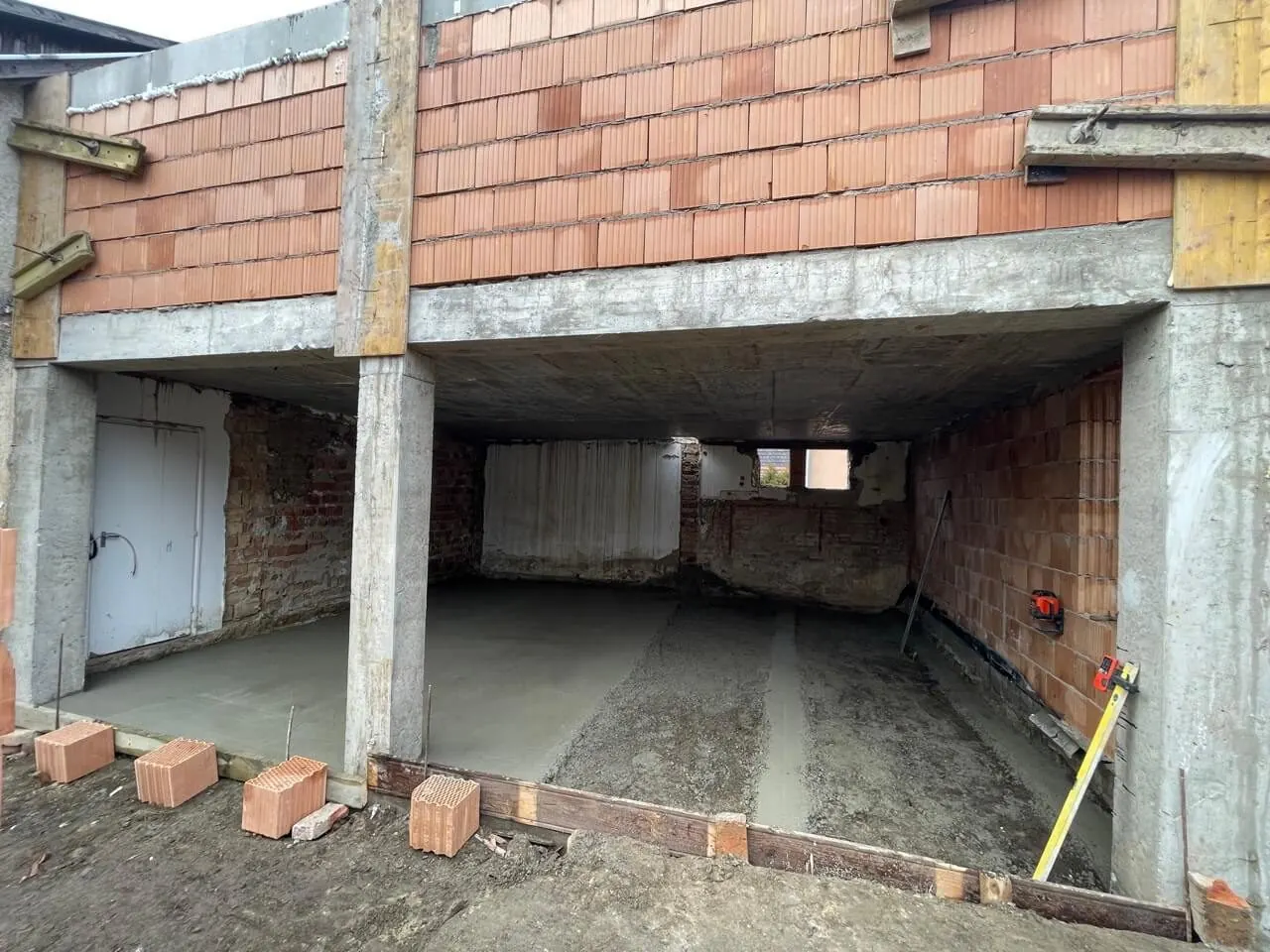
The Brick/YTONG House Building Process: From Foundations to Key Handover
A brick or YTONG house is completed in ten stages that build on one another, over 8–16 months. This is how the construction of a traditional family house proceeds from foundations to keys.
Read more →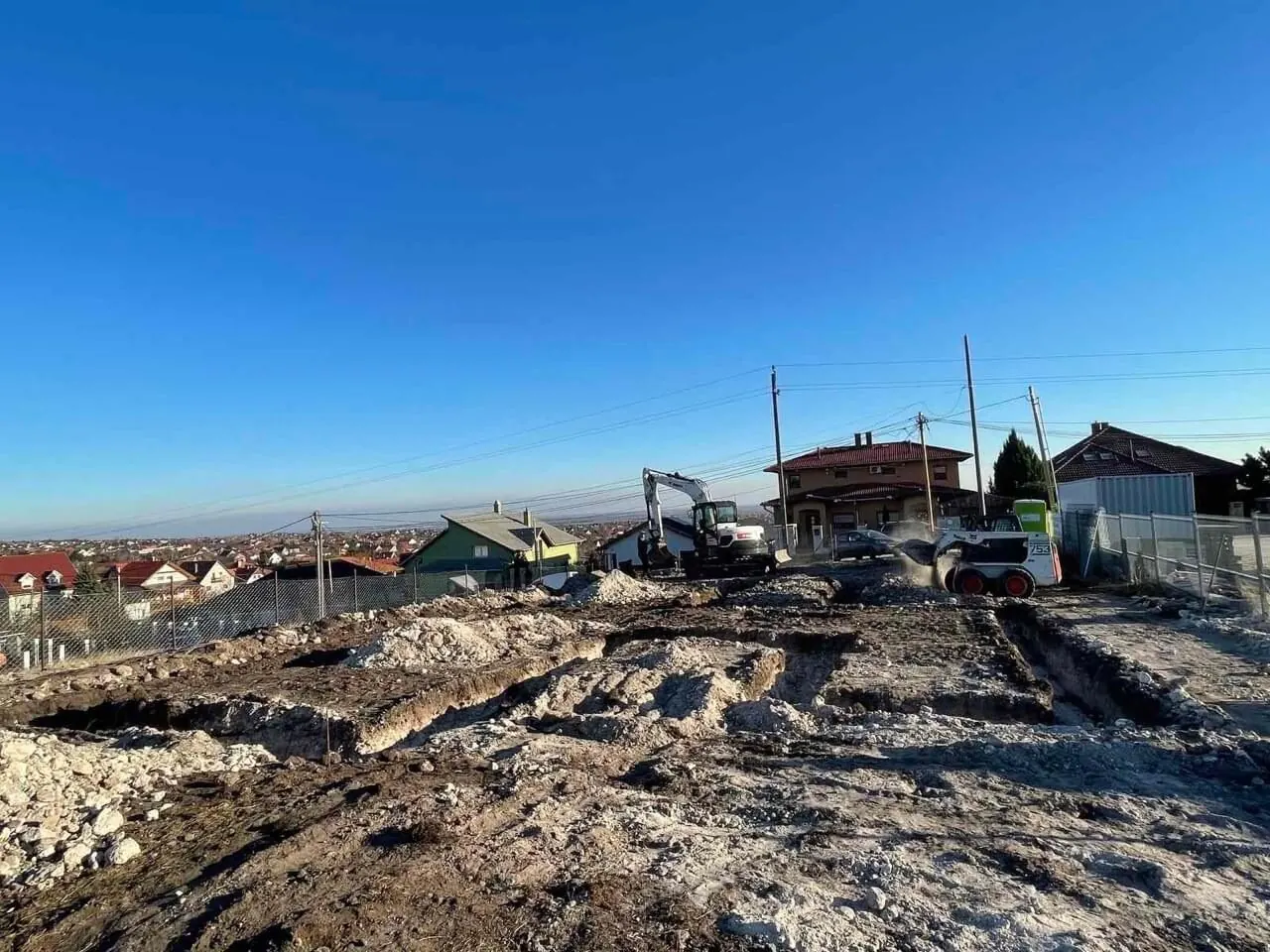
Buying a Plot for House Building: 10 Checks Before You Sign
The first and most expensive decision in house building is not the walling material but the plot. Ten checks before you sign – the cost and feasibility of the build depend on them.
Read more →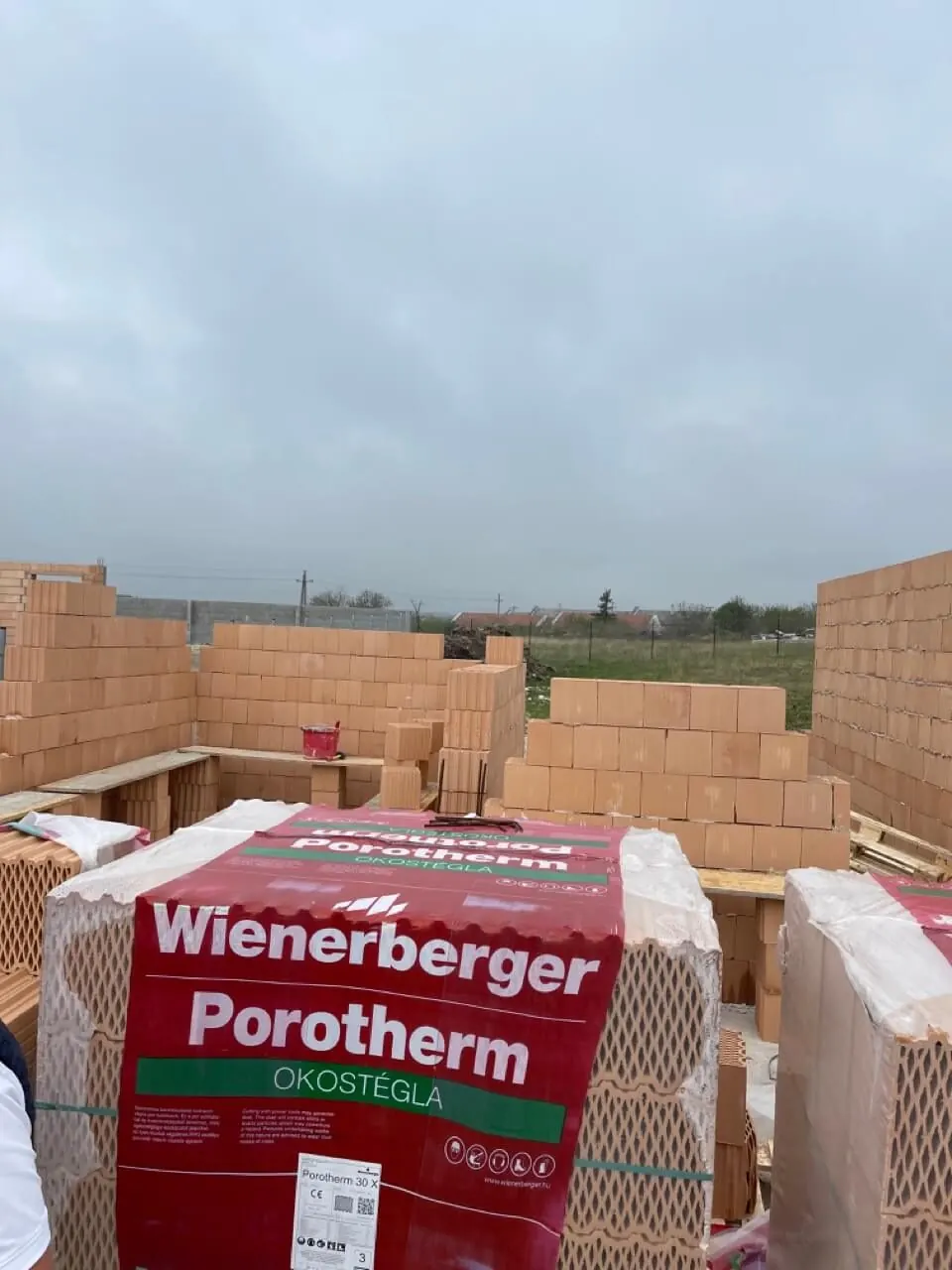
SIP Panel vs Brick vs Ytong: Which to Build With?
Brick, Ytong or SIP panel? 16 criteria, real numbers and a summary table – honestly, including where masonry still wins.
Read more →