
Plumbing, gas and heating: reliable building services from one contractor
Safe, energy-efficient mechanical systems that work invisibly in the background yet define how comfortable your home is.
Building services done properly
A home only works really well when plumbing, heating and gas are built as one coordinated system rather than three separate jobs. TeleHome's aim is to deliver solutions that are safe, energy-efficient and serve everyday life for many years. On new builds and renovations alike, we believe well-designed building services contribute to comfort in ways you never see but always feel.
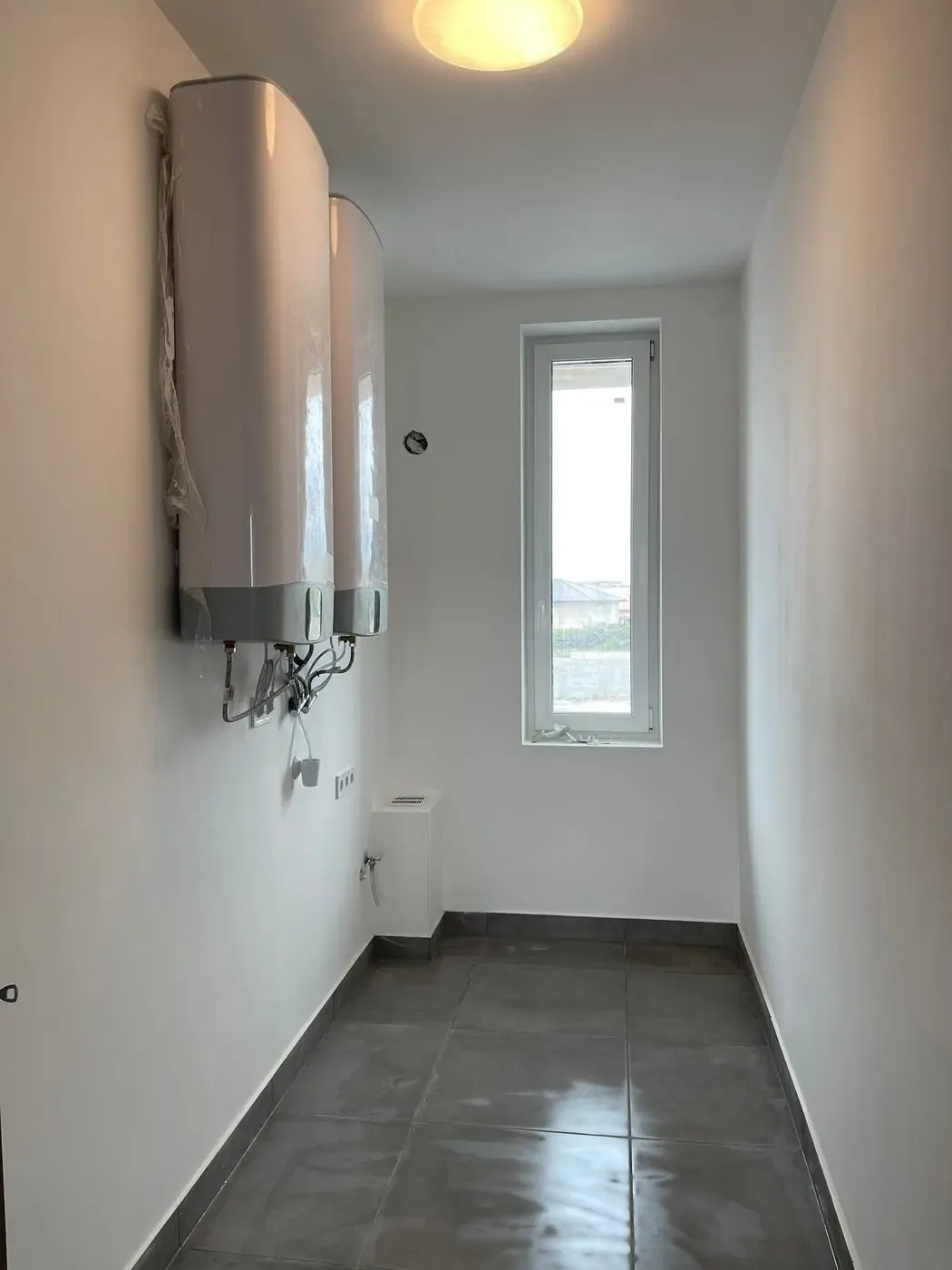
- Complete replacement of water and heating pipework, or new installations
- Gas work carried out by licensed gas fitters
- Condensing boiler and heat pump systems
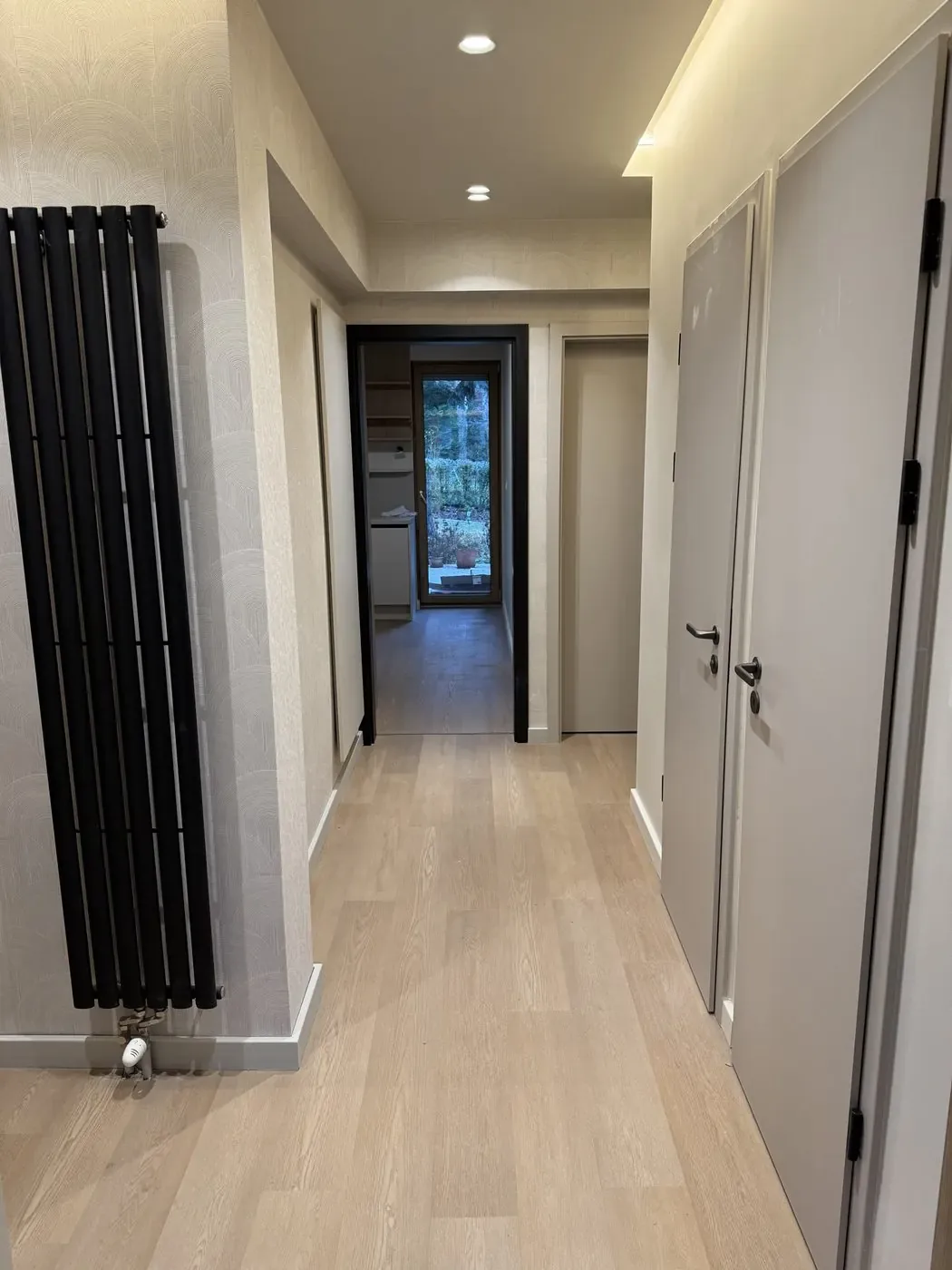
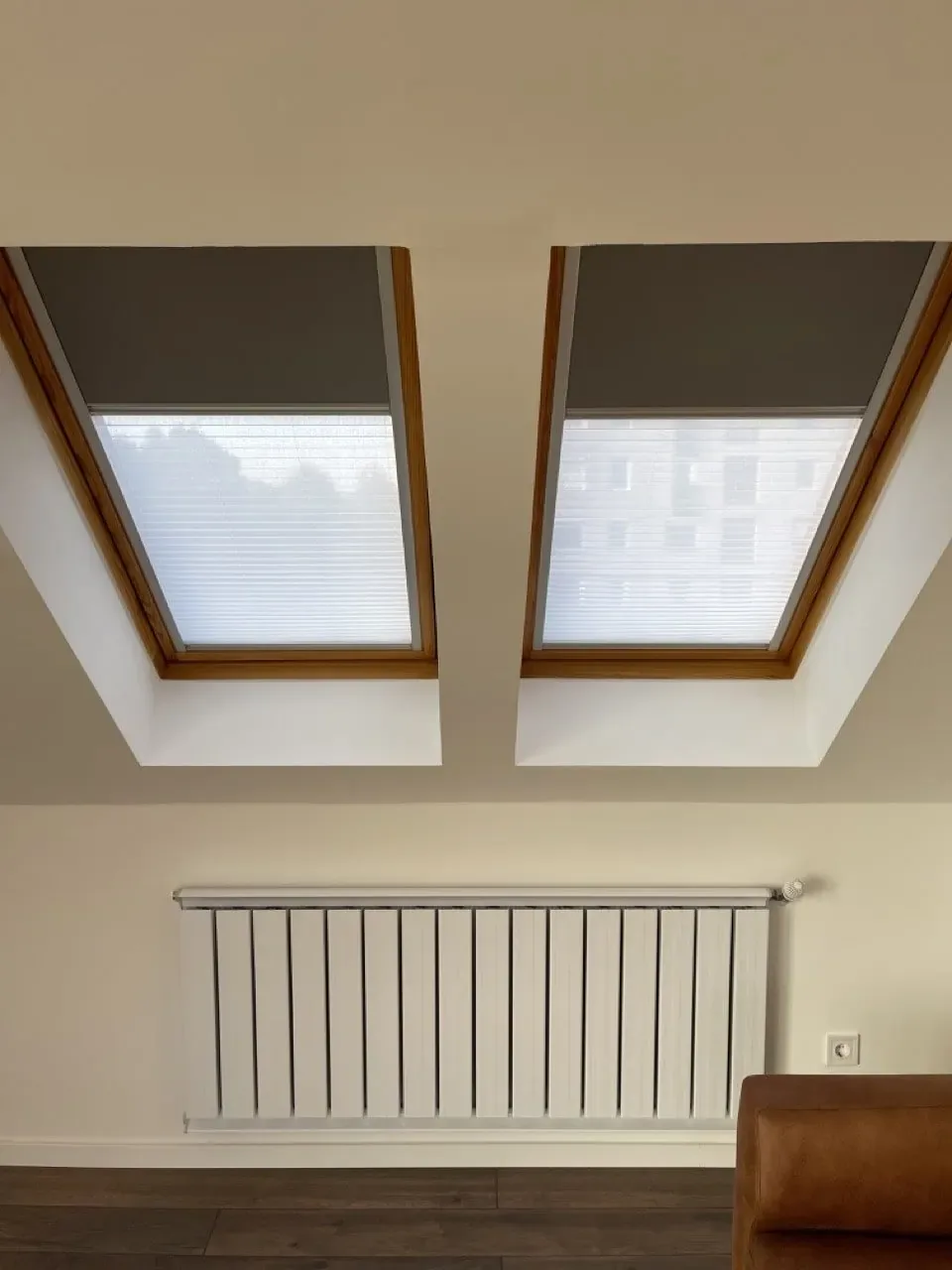
- Wet underfloor heating, ceiling heating and cooling
- Help with engineering design and permits

How it works
Every step is designed to protect the quality and durability of the finished result.
- 01
One integrated approach
A badly laid out water system or an outdated heating installation affects how the whole house works. TeleHome always thinks in terms of the complete system: plumbing, gas and heating are designed to build on one another, avoiding later demolition, alterations and unnecessary cost.
- 02
Plumbing
Modern plumbing starts with a properly designed and installed water system. On a new build, laying out the hot and cold water pipework needs careful planning so the system remains reliable for decades. Drainage is just as important: a poorly designed waste system causes not only nuisance but potentially serious structural problems. TeleHome's experienced plumbers pay attention to every detail, from the main runs to the last outlet.
- 03
Sanitaryware and fittings
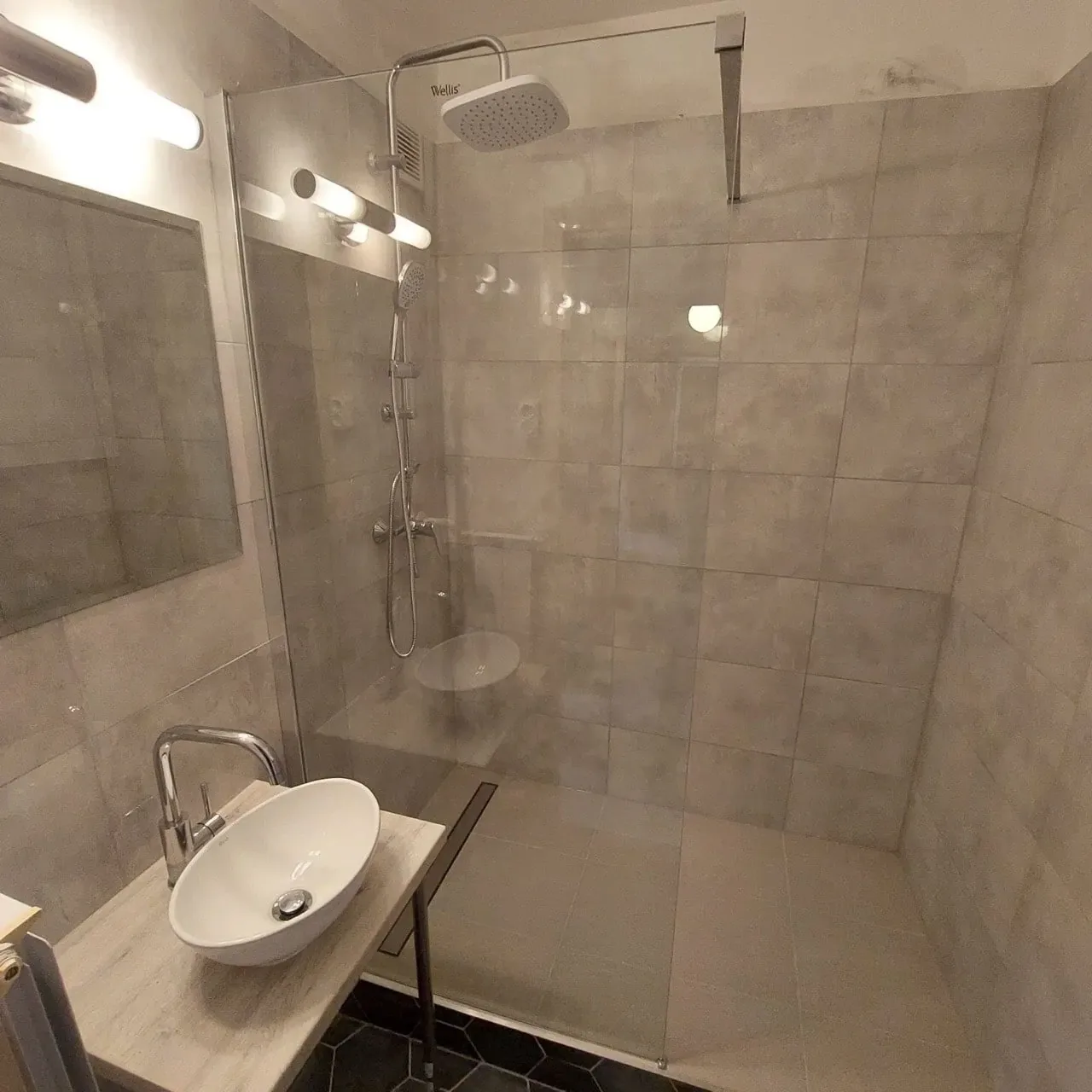
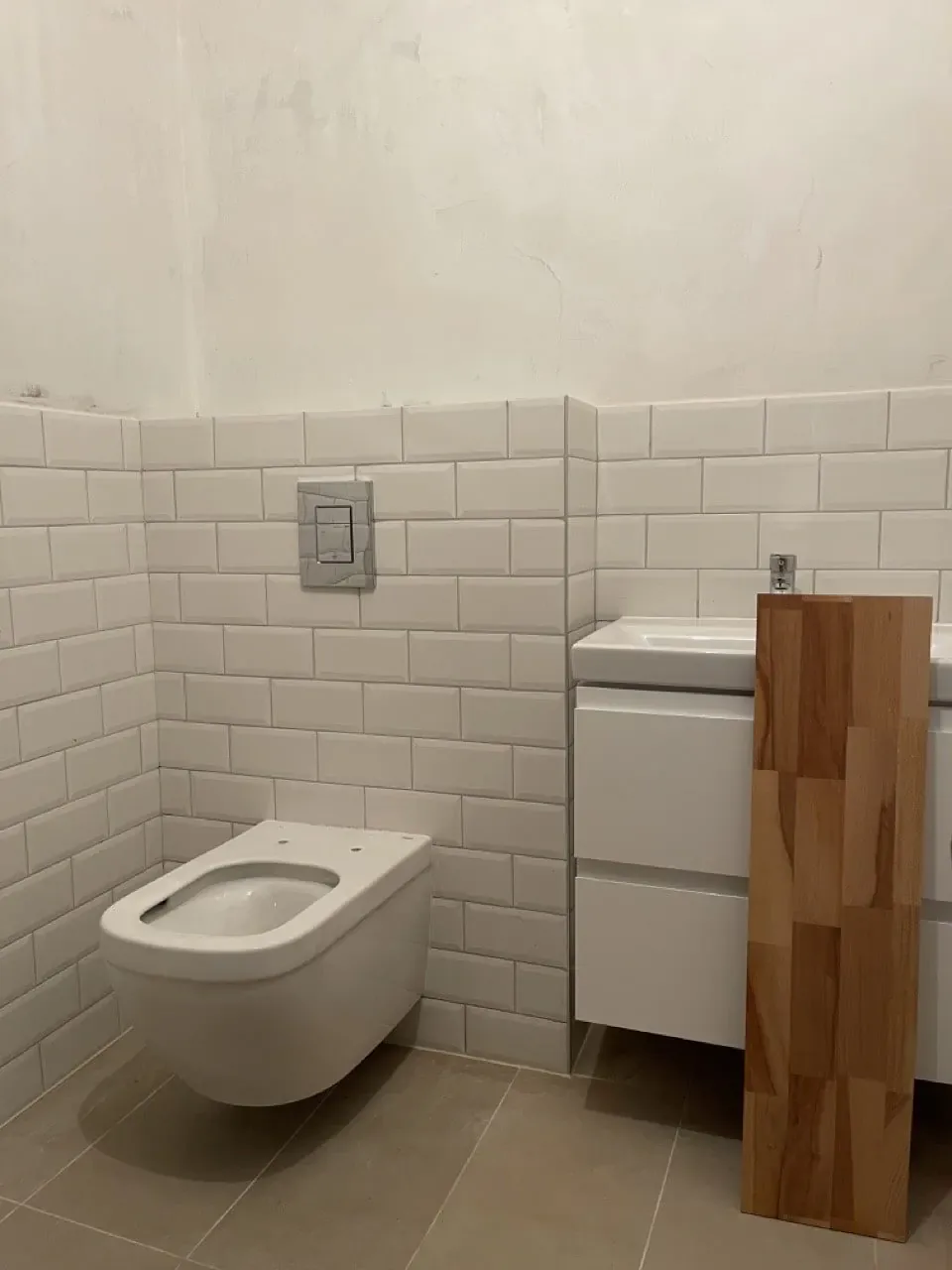
Second fix is where building services meet everyday life. With taps, sanitaryware and other fittings, function matters as much as appearance. Bathrooms deserve special attention because of the heavy use and wet environment. The cost of this stage always reflects the quality of the products chosen and the complexity of the installation.
- 04
Gas installation and boilers
Gas work demands some of the highest levels of expertise in building services: a well-executed system is not only efficient but completely safe. Modern condensing boilers are exceptionally efficient, particularly when the flue is designed correctly. Many clients ask which condensing boiler is best or how much gas it will use; the honest answer always depends on the building and how it is used. Gas installation costs reflect the complexity of the system and the technical solutions required.
- 05
Heating and heat pumps
Modern heating is increasingly built around renewable energy. A heat pump is an efficient, environmentally friendly solution that provides comfortable temperatures with low energy use, handling heating, cooling and even hot water from a single system. Heat pump heating combines particularly well with underfloor heating, ceiling heating or ceiling cooling. Heat pump systems with ceiling heating and cooling are increasingly popular, delivering an even, invisible comfort. In special cases, electric underfloor heating can also be a good alternative.
- 06
Pricing
The cost of plumbing, heating and gas work depends on many factors, from the size of the building and the technologies chosen to the condition of the existing system. TeleHome always quotes on the basis of a site survey or your drawings, so the price reflects the real technical scope.
Plumbing and heating projects
Frequently asked questions
Do you replace entire pipework systems?
Yes. We replace complete water and heating pipework using modern, durable systems. A full plumbing, gas and heating upgrade is especially important in older properties where the old systems are no longer safe or efficient.
Do you install underfloor heating?
Yes. We design and install wet underfloor heating systems, one of the most popular modern heating options, giving energy-efficient and even heat distribution.
Are you licensed for gas work?
Yes. Our gas work is carried out by licensed professionals and always in full compliance with regulations, which is essential for any gas installation in Hungary.
How long does a full installation take?
Installing a complete system usually takes 1–4 weeks depending on the size of the project. Every plumbing, gas and heating installation follows its own tailored schedule.
Can you help with design and permits?
Yes. We help with the mechanical engineering design and with obtaining the necessary permits, tailoring the system to the property so it works efficiently for the long term.
Condensing gas boiler or heat pump – which one pays off?
In an uninsulated or partly insulated house with an existing gas connection, a condensing boiler is the cheaper investment and a quick replacement. In an insulated house with underfloor heating or low-temperature radiators, an air-to-water heat pump runs 30–50% cheaper than gas, also cools in summer, and works best combined with solar panels. In an apartment, the location of the heat pump's outdoor unit (façade, apartment-building consent) is the deciding factor. At the on-site survey we make our recommendation based on a heat-demand calculation, not on gut feeling.
I want to replace gas convector heaters – what are the options?
There are three routes: installing central heating with a condensing boiler and radiators (the gas meter stays), a heat-pump system with full disconnection from gas (in which case we handle the disconnection with the gas supplier, and the electrical metering point also needs upgrading), or air conditioning for heating as an interim solution. Removing the convectors and the chimney and sealing the flue openings is part of the job. In a prefabricated apartment, the apartment building's rules on district heating or gas disconnection also apply.
Do you also install ceiling heating and cooling?
Yes. A ceiling capillary or pipe system with a heat pump provides radiant heating in winter and draught-free cooling in summer, without radiators or indoor air-conditioning units – popular both in new houses (Platinum package) and in period apartments with high ceilings. It works well with dew-point-sensor control and heat-recovery ventilation. You can choose a suspended ceiling or a plasterable system; it is built together with the plasterboard work, by one team.
What pipes are the new water and heating systems made of, and how long do they last?
Five-layer PEX or PPR pipes, thermally insulated, in a manifold system where every outlet has its own line and can be shut off separately; drains are made of PVC-KG or a sound-insulated system. We replace the old steel and lead pipes completely, record the pressure test in a report and photograph the concealed pipework before it is closed up. Modern plastic pipe systems have a service life of over 50 years.
How much does a heat pump installation cost, and when does it pay back?
For a 100–120 m² detached house, an air-to-water heat-pump system with underfloor heating or low-temperature radiators costs HUF 3.5–6 million on the market in 2026 (unit, buffer tank, hot-water cylinder, installation, electrical upgrade), with a payback period of 7–12 years in an insulated house, and faster with solar panels. The price depends on the heat demand, the brand of the unit and the existing heating system; in the itemised quote the mechanical, electrical and building work appear on separate lines.
Request a no-obligation quote
On-site survey, itemised cost estimate, fixed deadline and warranty – we reply within 1 business day.
- Reply within 1 business day
- Itemised cost estimate
- Fixed price, fixed deadline, warranty