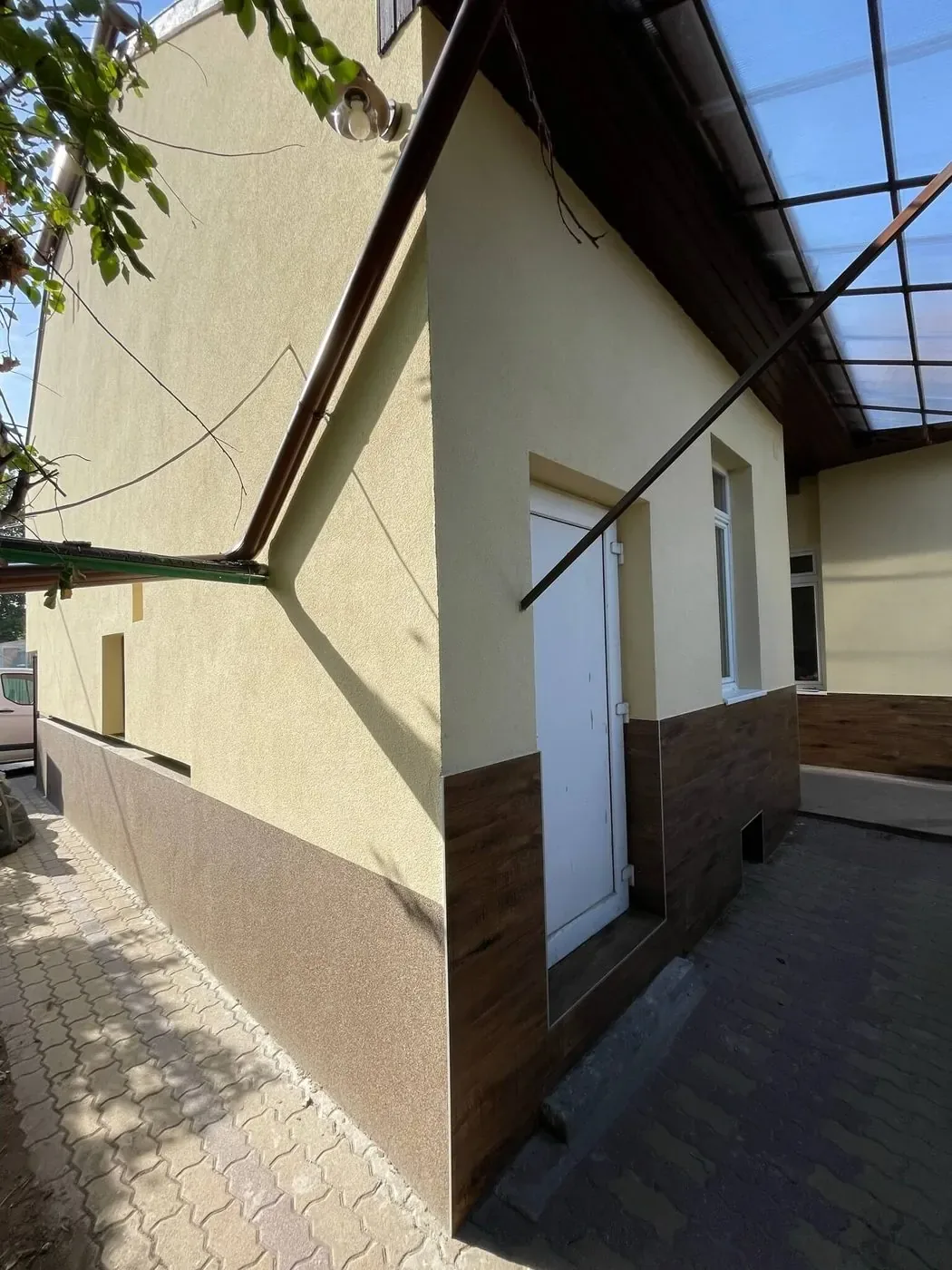
Insulation from one contractor: thermal, acoustic and waterproofing
Well-planned, professionally installed insulation is the foundation of a comfortable, energy-efficient home that stands the test of time.
Insulation done properly
Good insulation is what makes a home comfortable, cheap to run and durable. Whether you are building new or renovating, thermal insulation, sound insulation and waterproofing only give a building full protection when they work together. TeleHome's aim is to deliver complete insulation solutions that noticeably improve quality of life and cut running costs not just this winter, but for many years to come.
- External wall, ceiling, loft and roof insulation
- Soundproofing against noise through walls, ceilings and floors
- Liquid-applied and bitumen waterproofing for flat roofs, plinths and wet rooms
- Retrofit insulation for older houses
- Transparent pricing based on an individual survey
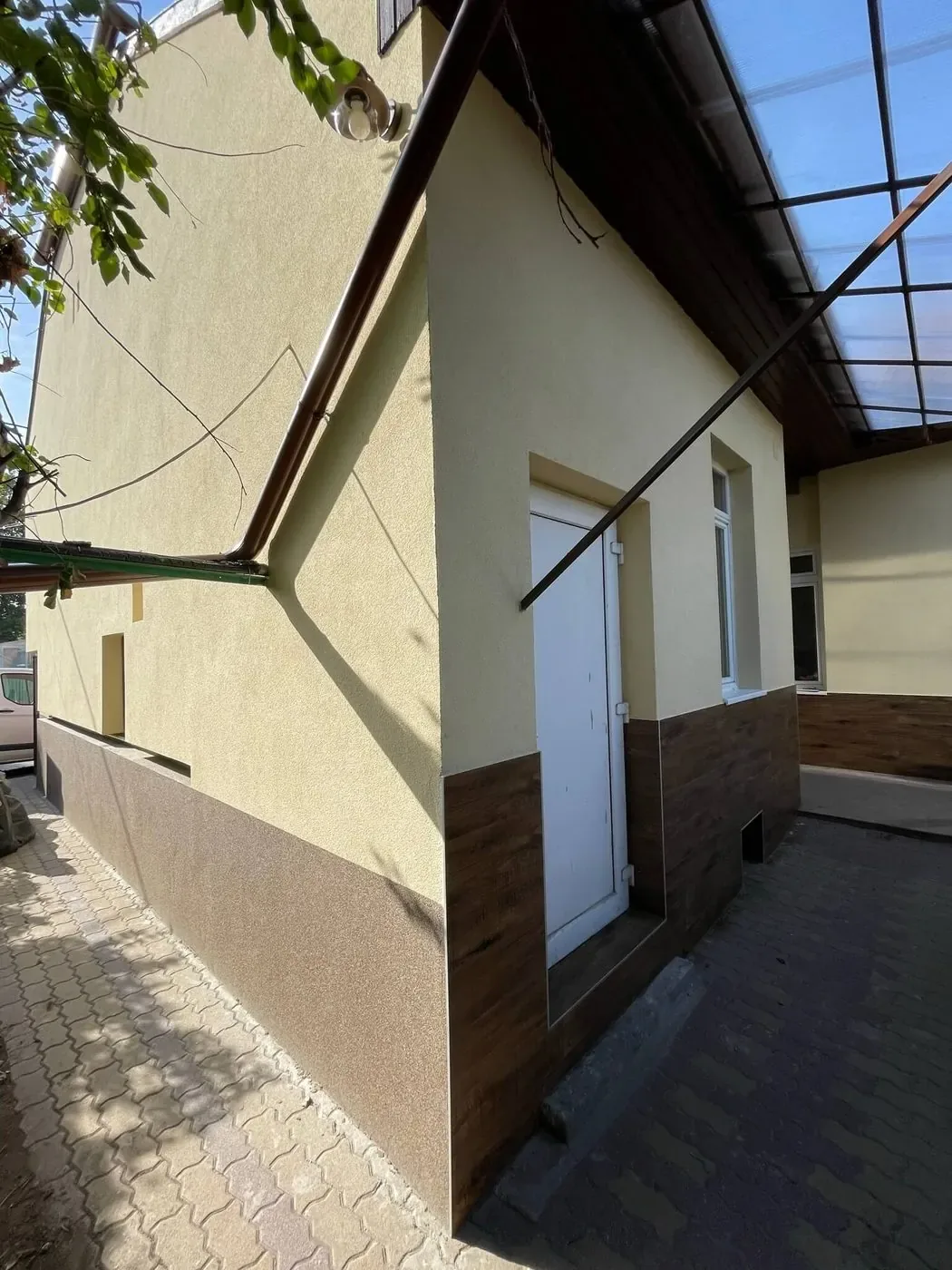
How it works
Every step is designed to protect the quality and durability of the finished result.
- 01
One integrated system
Thermal, acoustic and water insulation are often treated as separate questions, yet a building only really performs when they are designed as one coordinated system. A poorly insulated ceiling or roof does not just lose heat: it lets in noise and can become a source of damp. TeleHome always looks at the building as a whole and tailors the insulation solution accordingly.
- 02
Thermal insulation
One of the biggest benefits of modern thermal insulation is a substantial cut in energy use. Properly installed external wall insulation, a well-designed ceiling build-up or effective loft insulation stops heat escaping in winter and helps keep the house cool in summer. The thickness and layer structure are always matched to the construction of the particular house. A flat roof calls for a different approach from a classic loft, which is why the site survey is so important. In special cases, spray polyurethane foam offers a fast and effective solution, particularly in hard-to-reach areas.
- 03
Sound insulation
Good sound insulation is no longer a luxury but a basic expectation, especially in the city or in apartment buildings. Well-designed soundproofing significantly reduces noise from outside and from neighbouring rooms. TeleHome's solutions address noise coming through ceilings, walls and floors alike, so the difference is genuinely noticeable day to day. The goal is not just less noise, but a calmer, more balanced home.
- 04
Waterproofing
Faulty or missing waterproofing is one of the most common causes of structural damage. Properly applied liquid membrane or bitumen waterproofing prevents leaks, mould and long-term deterioration. Whether it is a flat roof, a plinth or a wet room, TeleHome applies the waterproofing technology best suited to that particular surface. Waterproofing is invisible once finished, yet it is one of the most important elements protecting the building.
- 05
Insulation costs
The cost of insulation depends on several factors: the technology used, the size of the area and the layer build-up required. TeleHome's pricing is transparent and always based on an individual survey, so you know exactly what work and what quality you are paying for.
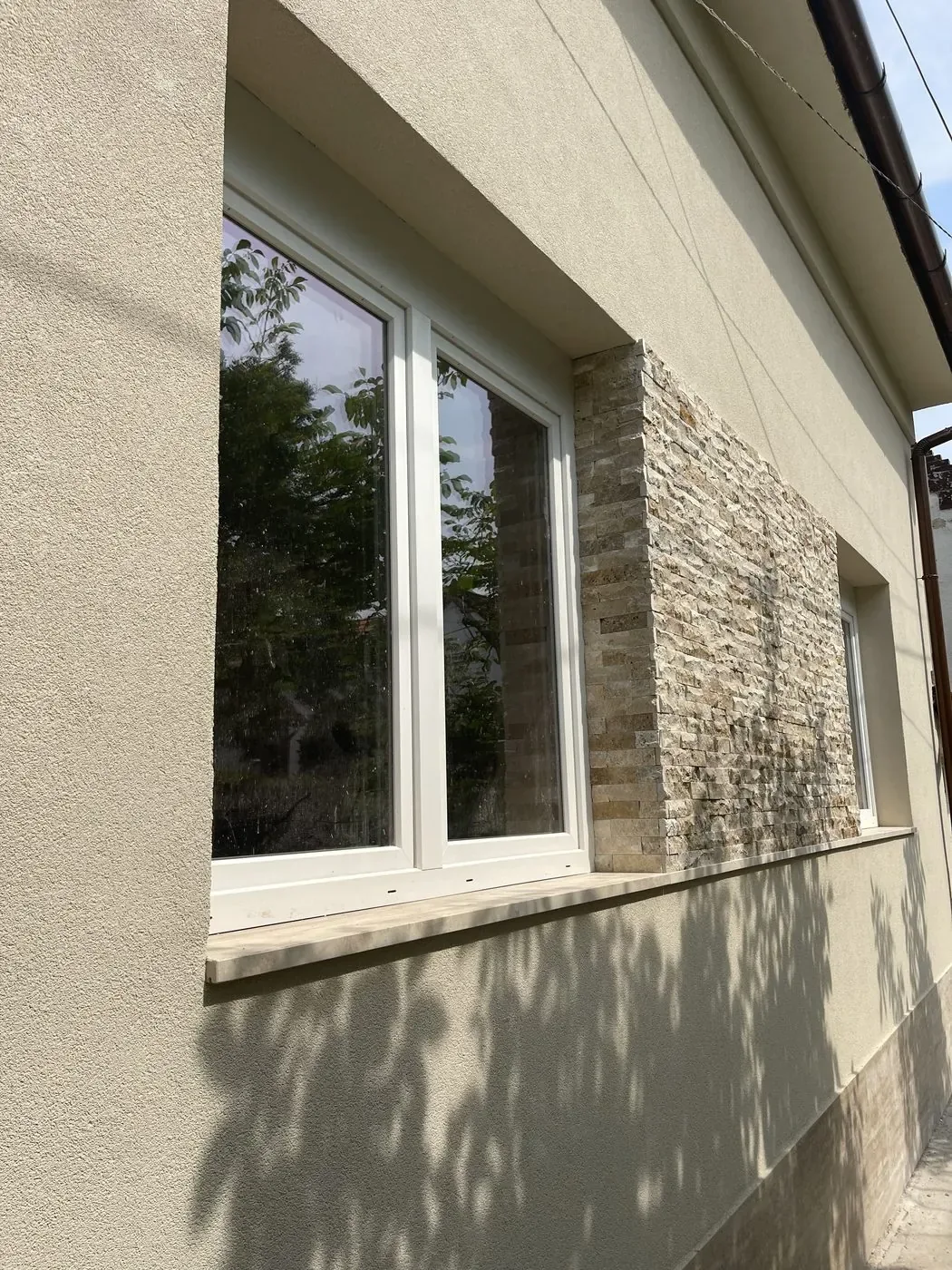
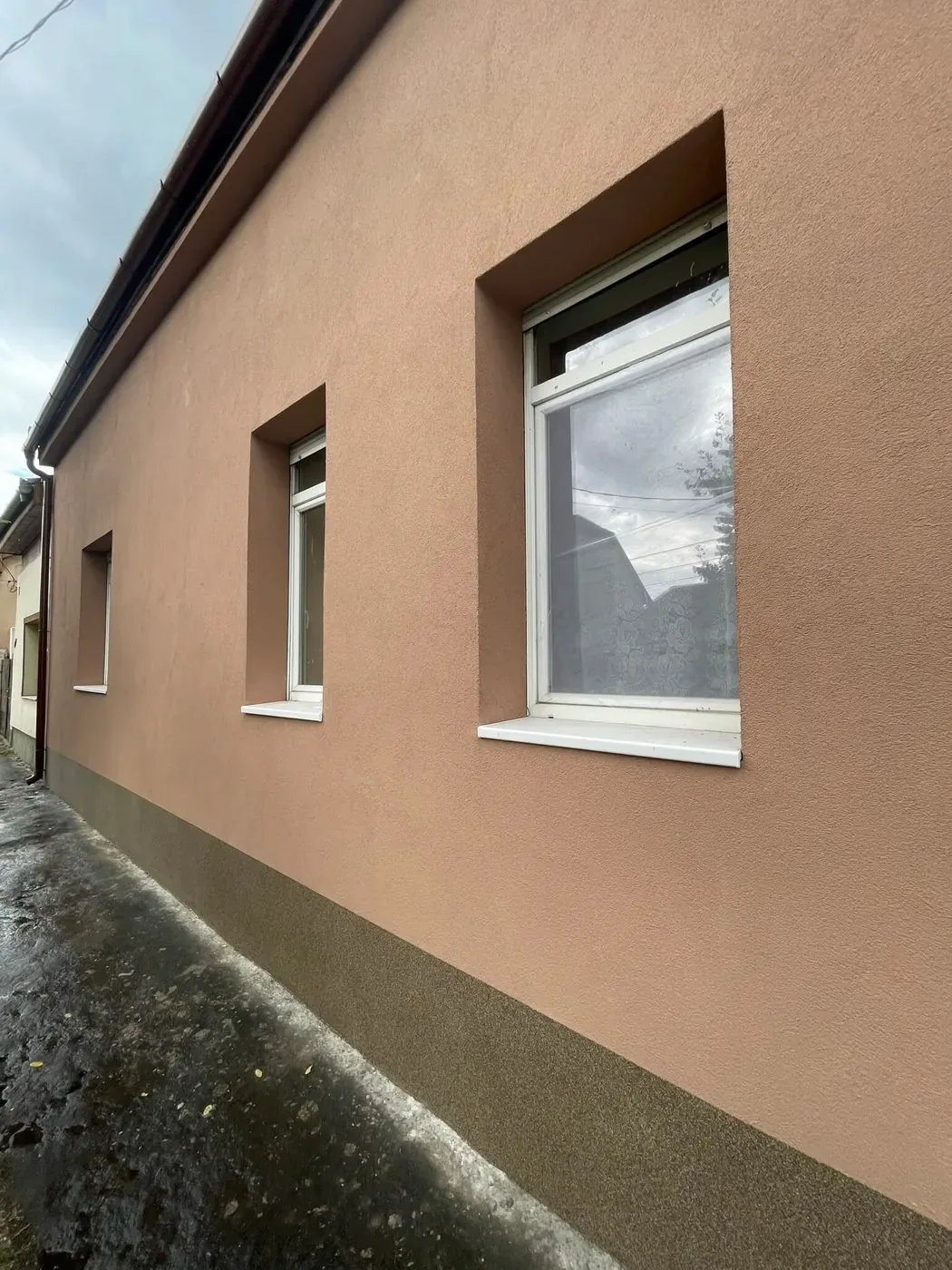
Insulation projects
Frequently asked questions
Which insulation solution is the most effective?
The optimal solution depends on the building and your goals. For external wall insulation, choosing the right system and thickness is key: a well-chosen system greatly improves energy efficiency and lowers heating bills over the long term.
Can older houses be insulated retrospectively?
Yes, in most cases retrofit thermal insulation and waterproofing are feasible, following a detailed condition survey. Modern solutions improve comfort and reduce heat loss considerably.
How long does insulation work take?
External insulation of a family house usually takes 2–4 weeks. Weather can affect the schedule, and the exact duration depends on the size of the building and the system chosen.
What do you recommend for mouldy walls?
The first step is to eliminate the root cause, whether damp or a thermal bridge. We then apply a specialised insulation and surface treatment, including liquid waterproofing where needed.
How thick should the insulation be?
To meet current energy standards, 10–20 cm is generally recommended. The exact value is determined by calculation, as the correct thickness is critical to how well the insulation performs.
Graphite EPS or rock wool – which should I choose for the facade?
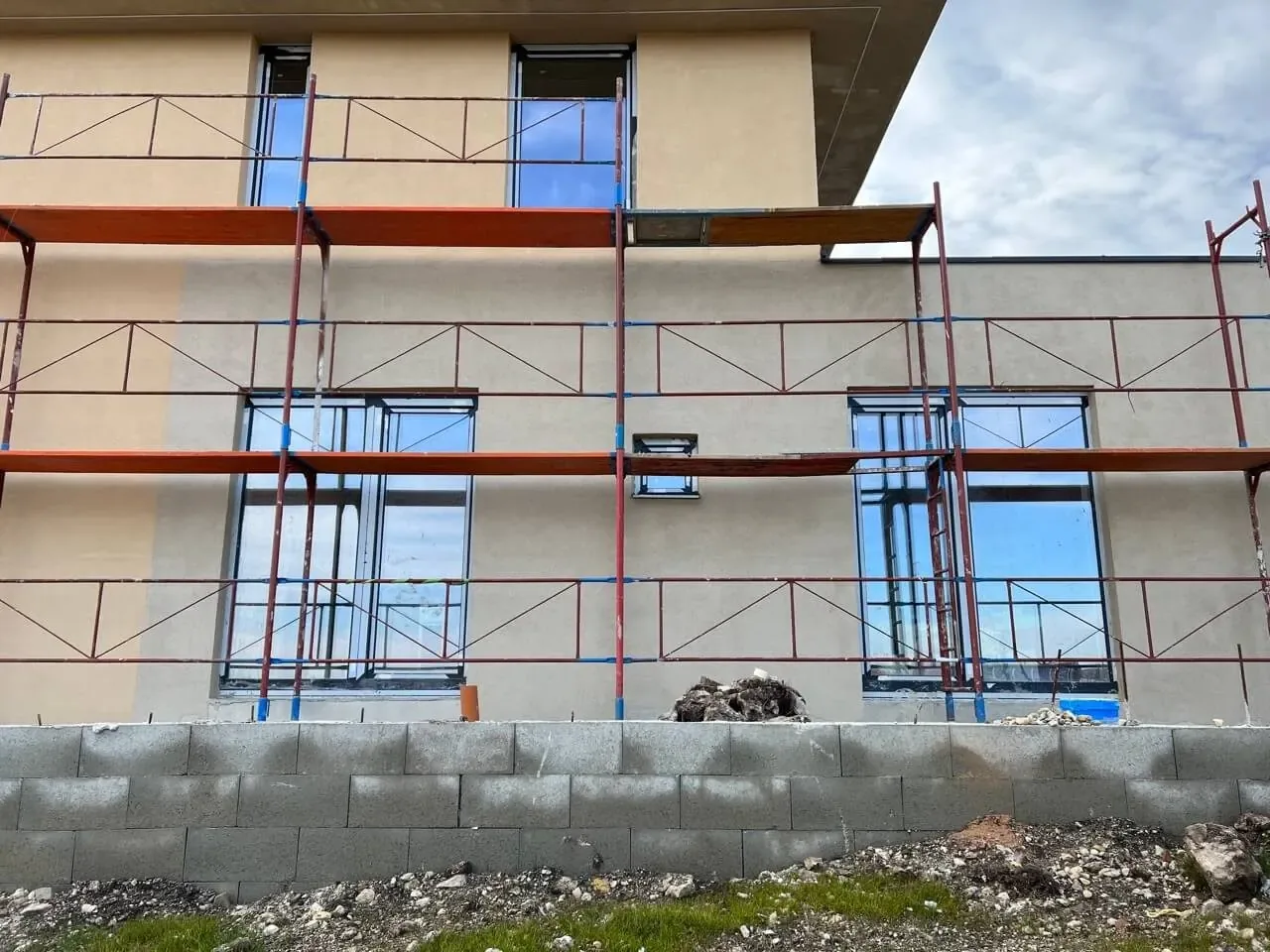
On a detached house, graphite EPS is the most common choice: at the same thickness it insulates around 20% better than white EPS, at a favourable price and with easy installation. Rock wool is justified where fire regulations require it (the band around windows and doors, a multi-storey apartment building, an escape route), where a vapour-permeable system is needed (adobe, old brick, damp walls), or where better sound insulation is the goal. On the plinth we always use closed-cell XPS, taken down to 30 cm below ground level.
Loft floor or roof slope – where should the insulation go?
If the loft is not lived in, insulating the loft floor (25–30 cm of mineral wool or blown insulation, with a walkway) is the cheapest and fastest-paying intervention: at a cost of around HUF 0.5–0.9 million it gives a 10–15% saving on heating, with a 2–4 year payback. For a converted loft, or one intended for conversion, 30–40 cm goes into the roof slope, with a vapour-control membrane on the inside and a ventilated air gap under the roof covering – this is worth doing at the same time as a roof renovation.
Can an apartment be soundproofed retrospectively against the neighbours' noise?
Yes, but the solution depends on the type of noise. Against airborne sound (speech, TV), a plasterboard lining wall on the party wall with mineral wool, double boarding and resilient fixings gives a 10–15 dB improvement. Against impact sound (footsteps from above), an acoustic suspended ceiling on resilient hangers on your own ceiling helps, but the best solution is a floating floor in the upstairs neighbour's apartment. Sealing the windows and doors, the roller shutter box and the service penetrations is often worth more than a thick wall – we go through this at the survey according to the source of the noise.
Do you also waterproof flat roofs and terraces?
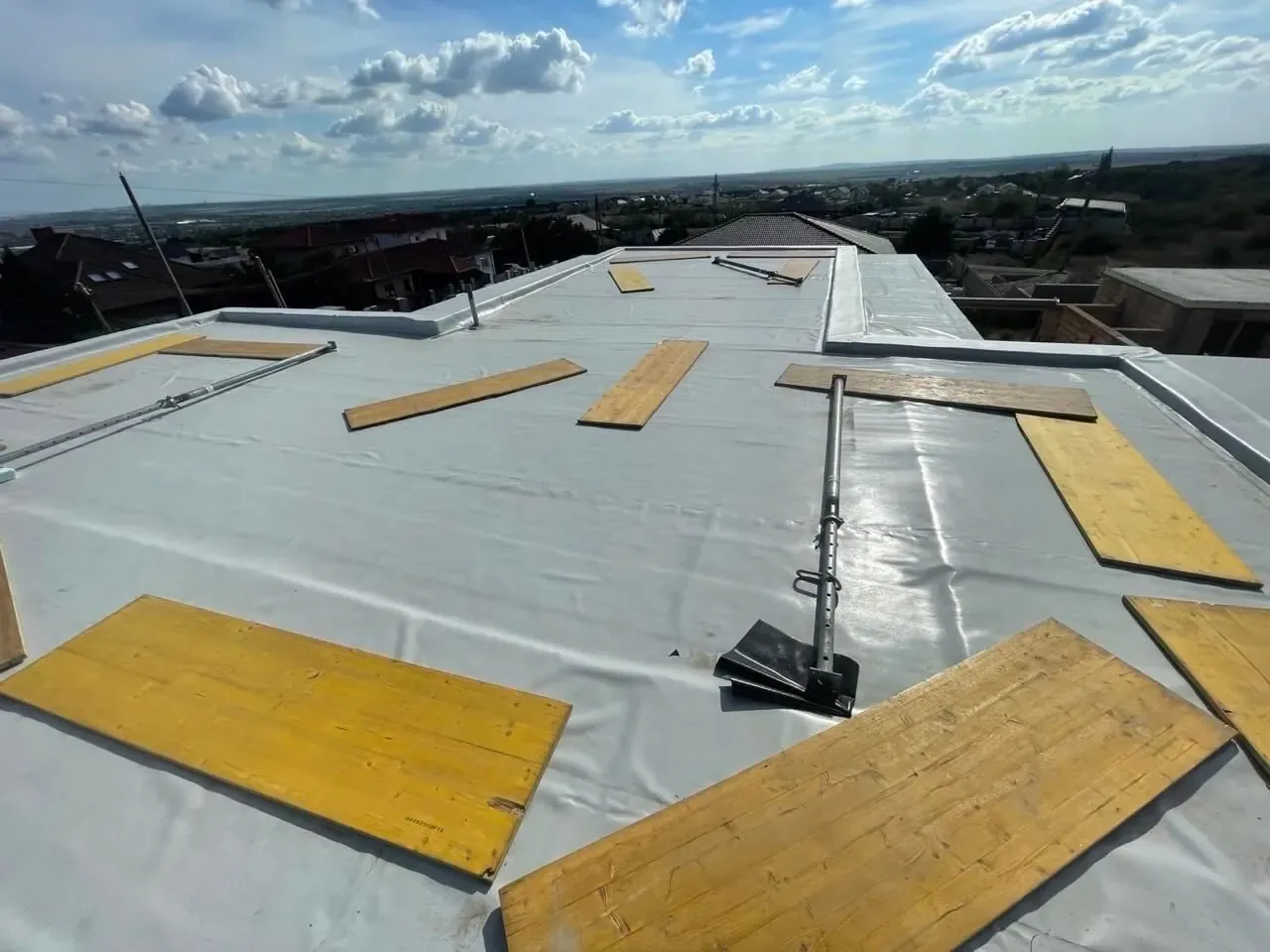
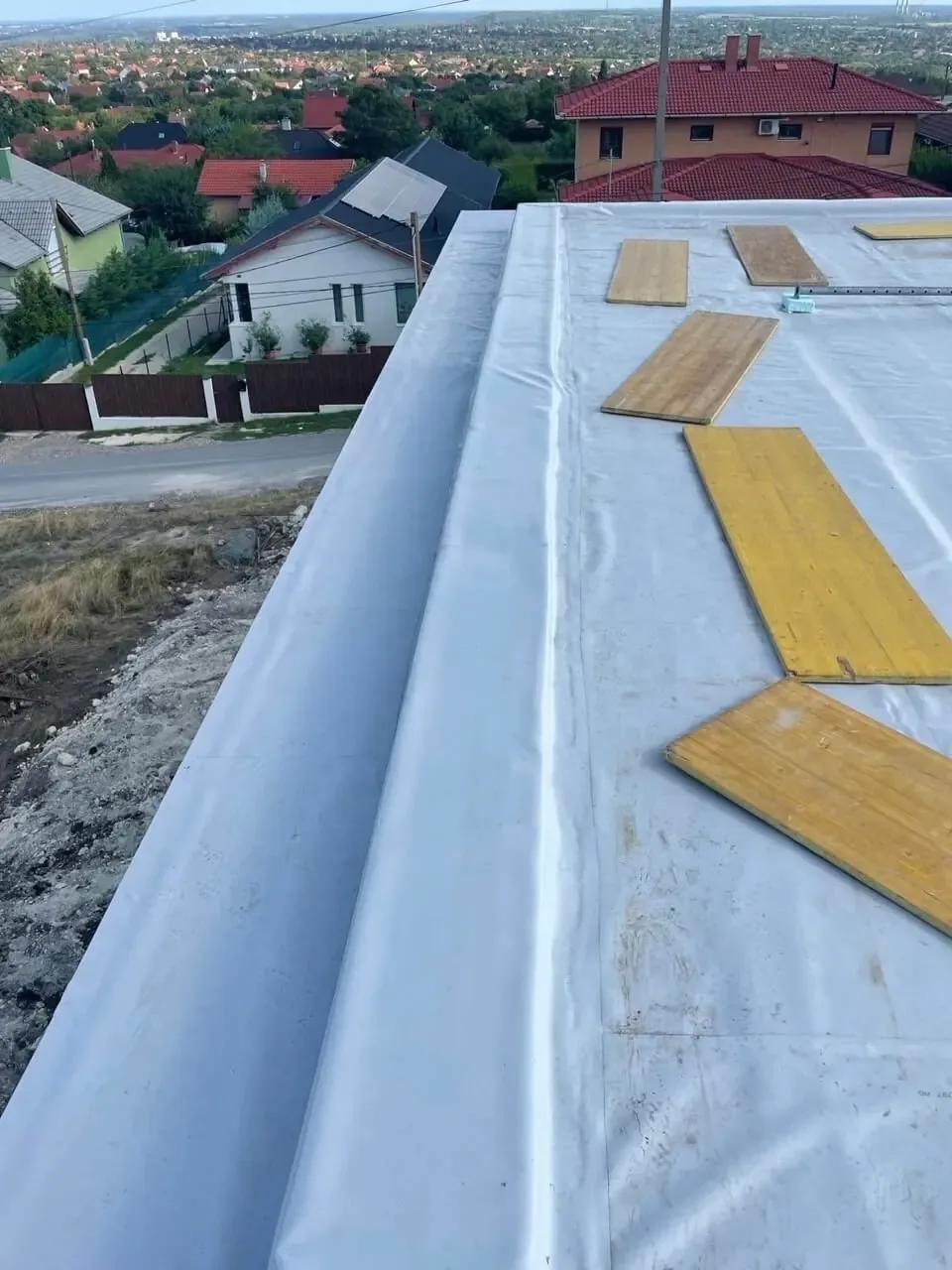
Yes: on flat roofs we install PVC/TPO or two-layer bituminous membrane waterproofing over tapered thermal insulation, with green-roof preparation if required; on terraces and balconies we apply a two-coat liquid waterproofing membrane under the paving, with an upstand at the plinth and a system-matched edge profile. In most cases the cause of a leak is at the junctions (parapet, outlet, threshold, railing post), not in the main surface – which is why we photograph and document these details.
What determines the price per square metre of facade insulation?
The thickness and the material (15–20 cm graphite EPS or rock wool), how broken up the surface is (balconies, sills, openings), the scaffolding, the type of finishing render (silicate, silicone resin) and the number of its colours, and whether a plinth, flashings, sill replacement or roller shutter box insulation is needed. Complete facade insulation of a 100–120 m² detached house is around HUF 2.2–3.5 million on the market in 2026; after the on-site survey we pin it down in an itemised cost estimate.
Request a no-obligation quote
On-site survey, itemised cost estimate, fixed deadline and warranty – we reply within 1 business day.
- Reply within 1 business day
- Itemised cost estimate
- Fixed price, fixed deadline, warranty