
Tiling and flooring built on solid foundations, laid with precision
Hard and soft floor coverings with full preparation: wall tiling, floor tiling, parquet restoration and vinyl, all from one contractor.
Every layer counts, from the substrate to the grout
Tiling and flooring are not just a matter of appearance. They are a multi-layer process in which every layer affects the final result. Proper preparation, the right choice of materials and precise workmanship together produce a surface that is both durable and beautiful. TeleHome treats flooring as a complete system: from removing the old finishes and preparing the substrate and walls through to the final detailing, every step is kept under control.
- Tiles, stone, parquet, laminate, vinyl and SPC from one team
- Demolition, floor levelling and waterproofing included where needed
- Ceramic, porcelain and natural stone tiling
- Parquet sanding, lacquering and repair
- Guarantee on all tiling and flooring work
How a durable floor is made
From preparation to the final details, every step serves the quality of the finished surface.
- 01
Preparation and substrate
A long-lasting floor or wall finish starts with a properly prepared substrate. The first step is removing the old covering, which reveals the true condition of the floor and walls. Where needed we repair plaster and level the floor so the new finish sits on a flat, stable base. In wet rooms such as bathrooms, correct waterproofing is essential to protect the structure from moisture for years to come.
- 02
Tiling
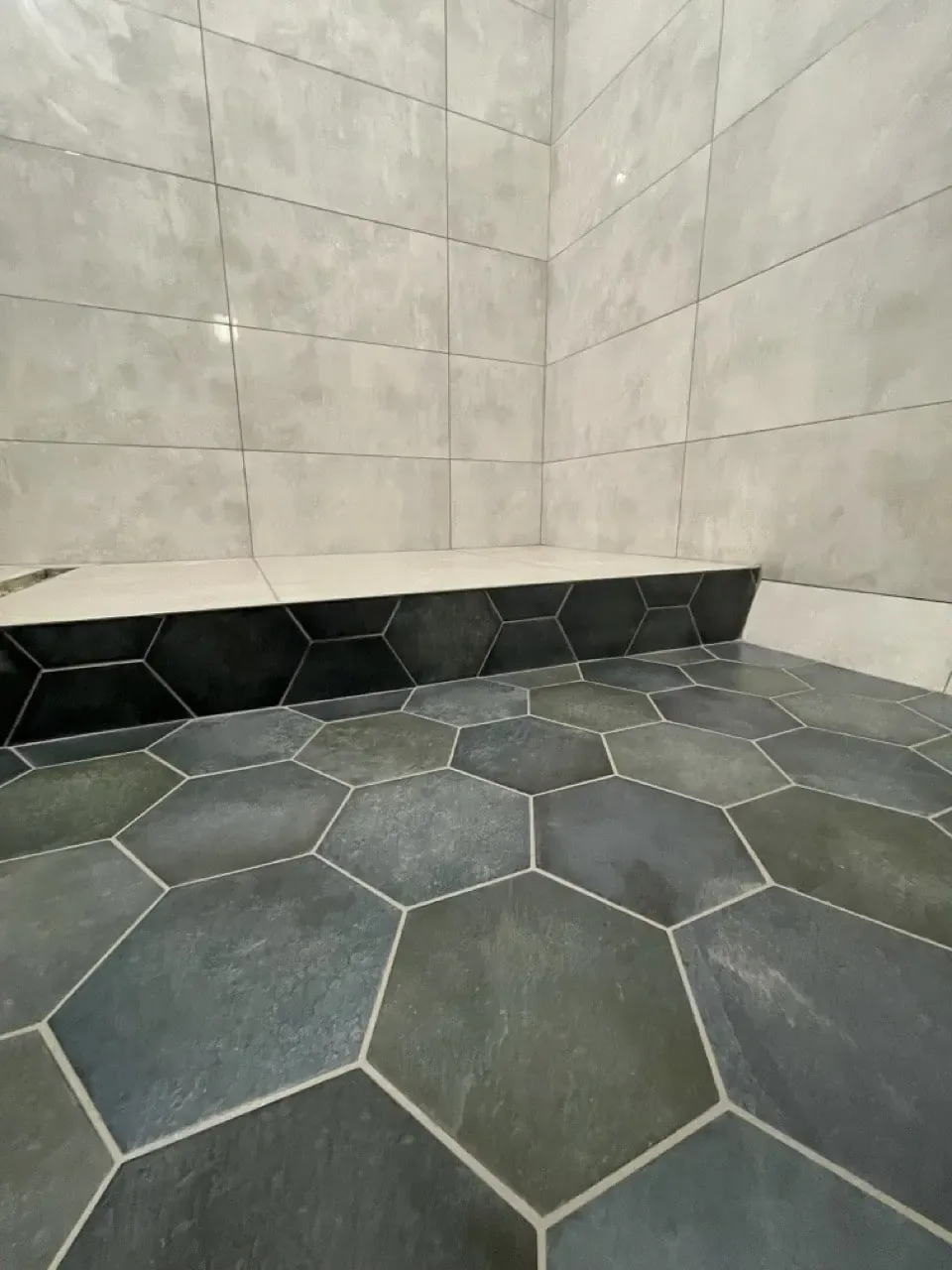
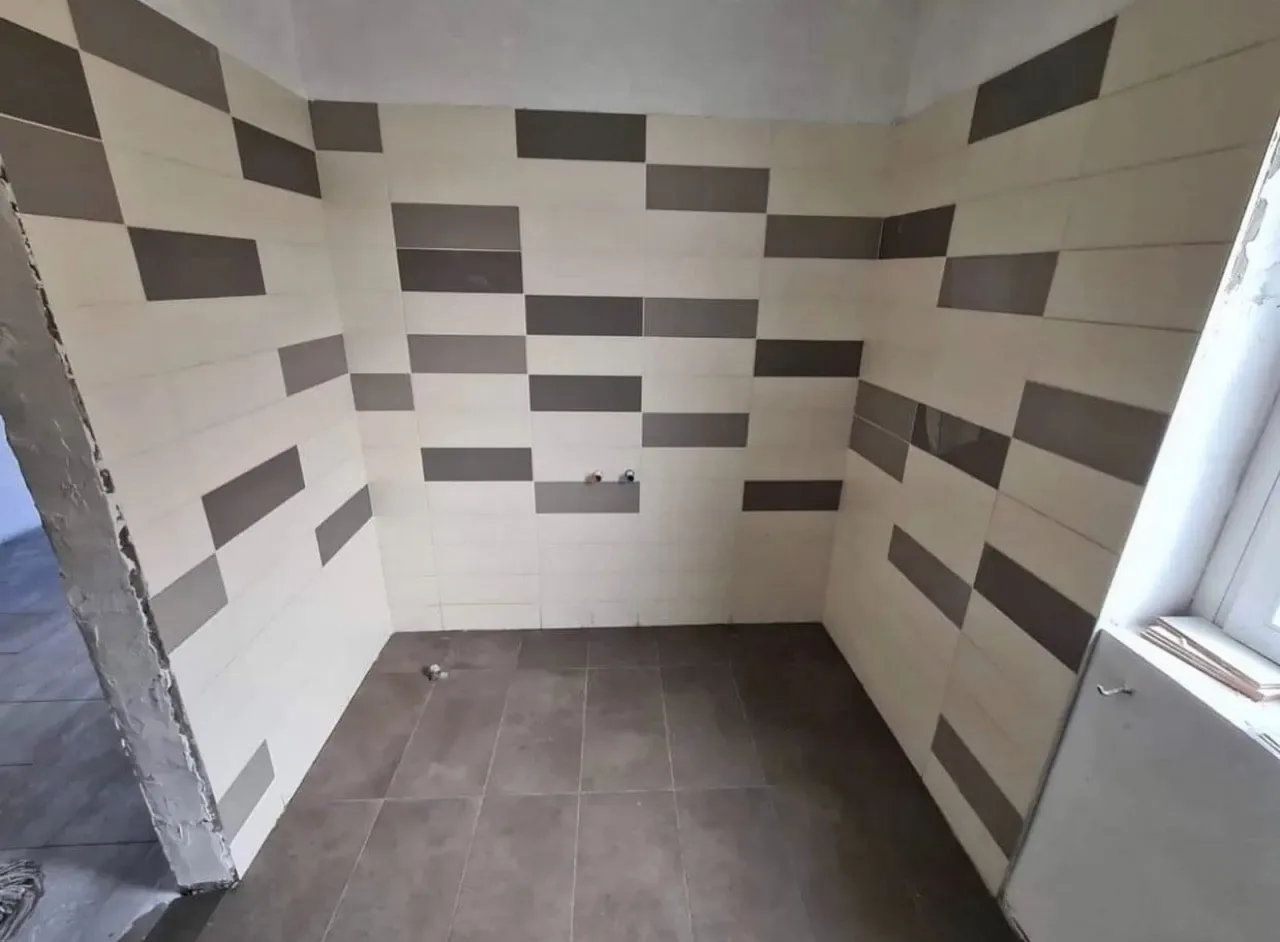
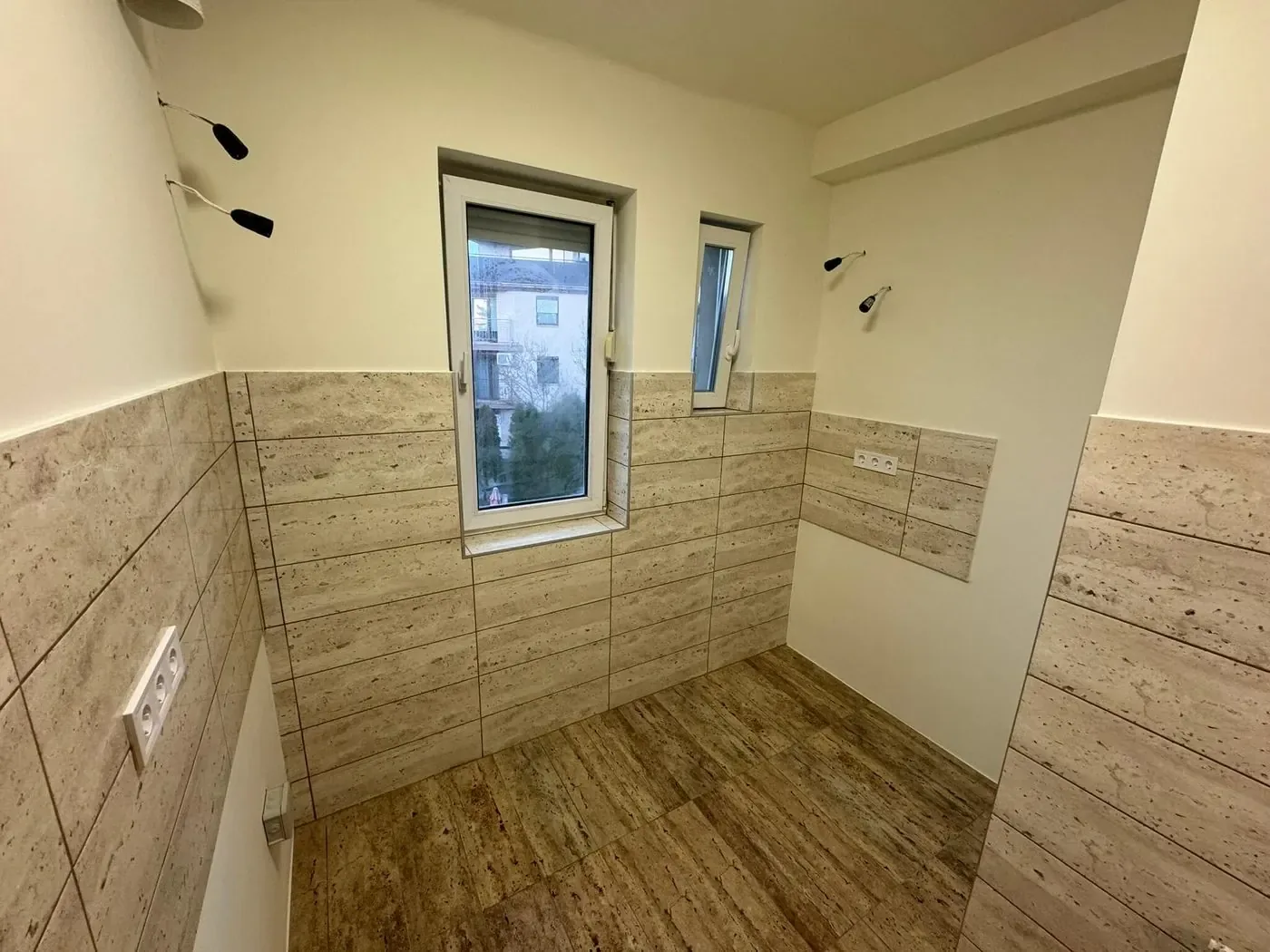
For tiling we work with stone, porcelain (gres) and ceramic. Beyond choosing the right tiles, careful setting-out and consistent grout lines are what create a uniform look. The work covers floor and wall tiling, bathrooms and other wet areas, tile layouts of different sizes and patterns, and precise grouting and silicone sealing. The correct adhesive system and properly placed expansion joints keep the tiling crack-free over the long term.
- 03
Wood, laminate and vinyl flooring
With wood and resilient floors, comfort and everyday use come first. Each type of flooring calls for its own technique, so we always adapt the installation to the product. Parquet restoration includes sanding and lacquering to bring back the original appearance, and where necessary we repair damaged boards by replacing or stabilising them. For new floors we lay parquet using the appropriate method, and we also install laminate, vinyl and SPC flooring. Skirting boards, parquet edging and transition profiles between different floor types are all part of the system.
- 04
Detailing and finishing
The quality of tiling and flooring is decided by the details. Accurate cuts, clean edges and neat junctions ensure a consistent look and long service life. Even grout lines, precise silicone work and perfectly level surfaces together deliver the final aesthetic and technical quality. TeleHome always favours solutions that stay stable and flawless in the long run.
Tiling and flooring projects



Frequently asked questions
What kinds of floor and wall coverings do you install?
Both hard and soft finishes: ceramic and porcelain tiles, natural stone, bathroom and kitchen tiling, laminate, vinyl, SPC and more. We help you choose the right material for each room.
Do you remove the old flooring first?
Yes. Where needed we strip out the old covering and prepare the surface for the new one, including repairing and levelling the floor so the new finish lasts.
How long does it take to tile or floor an apartment?
Depending on size, 1–3 weeks. We give an exact schedule after the survey; large areas or intricate patterns can take longer.
Can you help me choose materials?
Yes. We advise on the best options for how the room is used and for your budget, from bathroom and kitchen tile ideas to the right type of wood or vinyl floor.
Is the work guaranteed?
Yes. All our tiling and flooring work comes with a guarantee, with the terms set out in the contract.
When is floor levelling or a new screed needed before tiling?
When the existing floor varies by more than 2–3 mm over 2 metres, is cracked, hollow or damp – in older Budapest apartments that is the majority. For minor unevenness a self-levelling compound is enough; for larger level differences or a poor floor build-up a new screed is laid (with roughly 1 week of drying per cm). We check with a moisture meter before laying flooring; parquet and laminate can only go onto a dry screed (≤ 2 CM%), otherwise they will buckle.
Do you also lay large-format porcelain tiles (60×120, 120×120 cm)?
Yes. Large-format porcelain stoneware calls for special preparation: a perfectly flat substrate, flexible S1 adhesive, adhesive applied on both sides (wall and tile), a levelling-wedge system to prevent lippage and a wider joint layout that allows for expansion. In bathrooms we also use it for ceiling-height wall cladding and for shower areas with a concealed drain. When ordering materials we allow 10–15% extra for cutting waste.
Parquet, laminate or SPC vinyl – which goes where?
For bedrooms and living rooms, three-layer solid wood parquet holds its value best and can be sanded several times; laminate (AC4–AC5) offers the best value for money but is not waterproof; SPC vinyl is waterproof and quiet, ideal for kitchens, hallways and children's rooms. With old parquet, sanding and lacquering is often cheaper than replacement – we tell you this at the survey. Herringbone parquet and SPC are also available, with greater material waste and labour time.
What flooring can go over underfloor heating?
Porcelain stoneware and ceramic tiles are best for underfloor heating (good thermal conductivity), but SPC vinyl rated for underfloor heating and glued-down three-layer parquet are also suitable, up to a maximum thickness of 15 mm. Laminate and floating parquet only without an underlay or with an underfloor-heating-compatible underlay, and within the manufacturer's thermal resistance limit. Before laying the flooring we commission the underfloor heating according to a heat-up protocol so that the screed dries out.
What determines the price per square metre of tiling?
The tile size (small mosaic and large format are more expensive), the pattern (diagonal, herringbone, custom layout), the condition of the substrate (levelling, waterproofing), how broken up the room is (lots of cuts, stairs, alcoves) and the adhesive and grout system (flexible, epoxy). In the itemised cost estimate materials and labour appear on separate lines, and the accessories (edge trims, expansion profiles, skirting boards) are also visible – there is no 'other works' line.
Request a no-obligation quote
On-site survey, itemised cost estimate, fixed deadline and warranty – we reply within 1 business day.
- Reply within 1 business day
- Itemised cost estimate
- Fixed price, fixed deadline, warranty