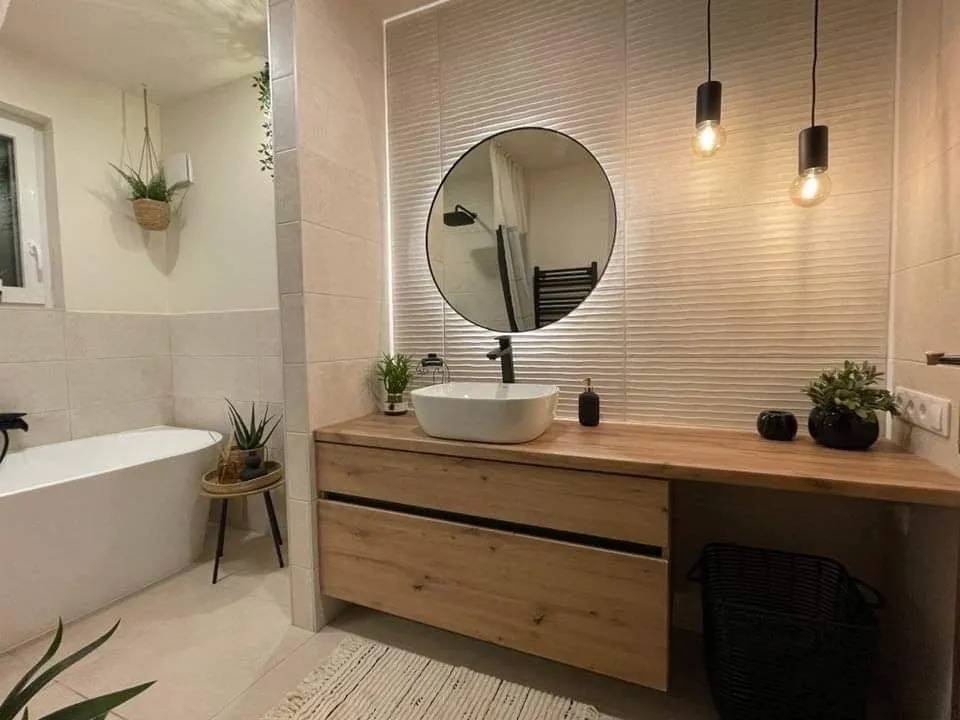
Bathroom Renovation Explained
Preparation, pitfalls, materials, work process, prices and duration: the whole course of a bathroom renovation, point by point.
Preparation
Renovating a bathroom is an exciting task, but a challenging one too. During preparation it is worth following these steps:
- Planning and budget:
- Decide what you want to renovate (the whole bathroom, the tiles, the sanitaryware, etc.).
- Draw up a detailed budget that includes the price of materials and labour.
- Look at the funds you have available and set a realistic limit.
- Inspiration and style:
- Collect inspiration from online platforms, interior design magazines or showrooms.
- Decide which style you would like (modern, classic, minimalist, etc.).
- Choosing tradespeople:
- Look for reliable tradespeople (tilers, plumbers, electricians).
- Ask for references and quotes.
Pitfalls
You can run into a number of pitfalls during a bathroom renovation (if you do not prepare properly):
- Going over budget:
- Unforeseen problems can easily push you over budget (e.g. replacing the water pipes was not planned, but turns out to be necessary).
- It is important to set aside a reserve for any extra expenses.
- Delays:
- The work often takes longer than planned (e.g. because of additional requests that come up).
- Busy tradespeople or late materials can also cause delays (e.g. the tile order).
- Quality problems:
- If you choose poor-quality materials or unsuitable tradespeople, the end result will not be satisfactory.
- Choosing good-quality materials and reliable tradespeople is important.
Materials to Choose
Choosing the right materials is key to a bathroom renovation:
- Tiles and coverings:
- You can choose from ceramic, porcelain, natural stone or glass tiles.
- It is important to consider durability and ease of maintenance.
- Sanitaryware:
- For washbasins, toilets, showers and baths, choose durable, easy-to-clean materials.
- Ergonomics must be taken into account as well.
- Taps and fittings:
- Stainless steel, chrome-plated or brass materials are recommended.
- Energy-saving and water-saving solutions are an advantage.
Work Process
The work process of a bathroom renovation consists of the following main steps:
- Demolition:
- Removing the old tiles, sanitaryware and fittings.
- Taking away the building rubble.
- Installation work:
- Renewing or replacing water pipes and electrical wiring.
- Carrying out priming, repair and waterproofing work.
- Tiling and installing sanitaryware:
- Laying new wall tiles and floor coverings.
- Installing washbasins, toilets, showers and baths.
- Finishing work:
- Fitting taps, fittings and light fixtures.
- Painting, cleaning and final inspection.
Prices of the Work Process
Bathroom renovation prices can vary considerably depending on the following factors:
- Cost of materials:
- The price of tiles, sanitaryware and fittings covers a wide range.
- Labour charges:
- Tradespeople's fees can vary with the complexity of the work and with the region.
- Unforeseen costs:
- Hidden problems, such as faults in the water pipes or the electrical system, can mean extra expense.
What to Watch Out For
During a bathroom renovation it is worth paying attention to the following:
- Quality:
- Always choose good-quality materials and reliable tradespeople.
- Functionality:
- When planning, take your habits of use and ergonomics into account.
- Water and energy efficiency:
- Choose solutions that reduce water and energy consumption.
New Trends
Current trends influence the design and functionality of the bathroom:
- Minimalism:
- Clean lines, simple colours and functionality.
- Natural materials:
- Using wood, stone and plants creates a sense of closeness to nature.
- Smart bathrooms:
- Smart mirrors, automatic taps and water-saving solutions are increasingly popular.
Choosing the Trades
Choosing the right trades is essential for a successful renovation:
- Tiler:
- Laying the wall tiles and floor coverings properly.
- Plumber:
- Professional installation of the water pipes and sanitaryware.
- Electrician:
- Setting up the electrical system safely and installing the lighting.
Duration
How long a bathroom renovation takes depends on several factors:
- Complexity of the work:
- A full renovation can take several weeks, while a smaller one can be done in a few days.
- Sourcing materials:
- The availability and delivery time of materials also affect the duration of the project.
Recommendations
For a successful bathroom renovation it is worth taking the following advice:
- Detailed planning:
- Draw up a detailed plan and budget, and stick to them.
- Quality materials:
- Choose durable materials that are easy to maintain.
- Reliable tradespeople:
- Ask for references and choose experienced tradespeople.
- Flexibility:
- Be flexible in dealing with the changes and problems that come up during the renovation.
Renovating a bathroom is complex, but with careful planning and the right tradespeople the result can be a beautiful, functional bathroom that serves the family's comfort and needs for many years.
Request a no-obligation quote
On-site survey, itemised cost estimate, fixed deadline and warranty – we reply within 1 business day.
- Reply within 1 business day
- Itemised cost estimate
- Fixed price, fixed deadline, warranty
Related articles
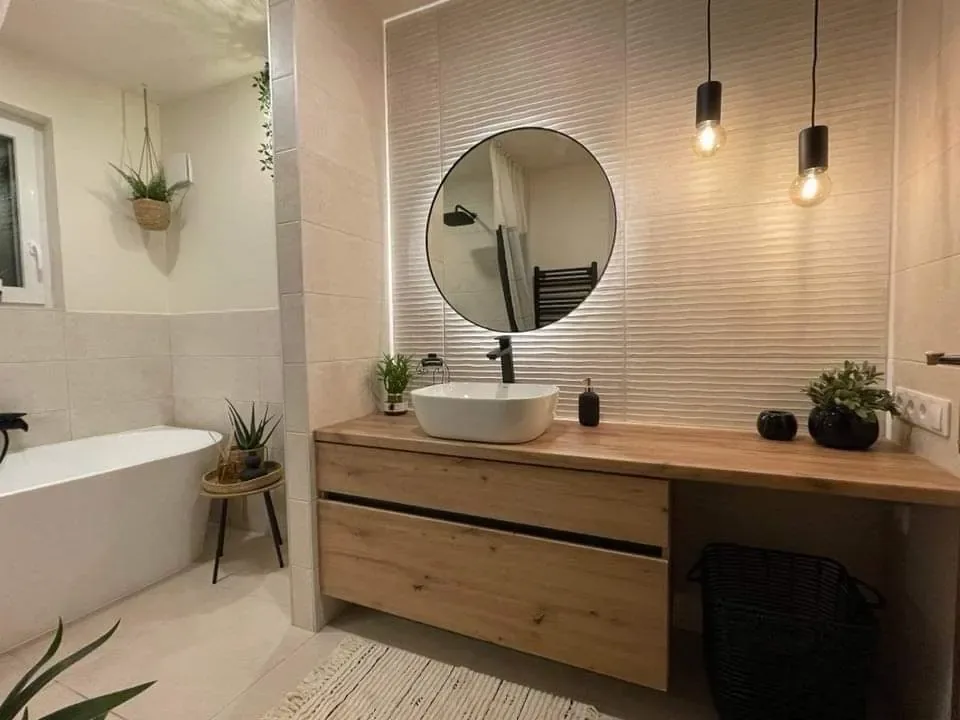
Panel Apartment Renovation in Budapest – A Step-by-Step Guide
A panel apartment is more predictable to renovate than a hundred-year-old downtown flat, but it has its own rules: most walls are load-bearing, the risers are shared, and the wiring runs inside concrete.
Read more →
Renovating a Rental Apartment in Budapest – Where to Spend and Where Not To
Renovating a rental apartment follows a different logic from renovating your own home. The question is not what you like, but what pays back, what survives tenants, and how long the flat stands empty while the work is done.
Read more →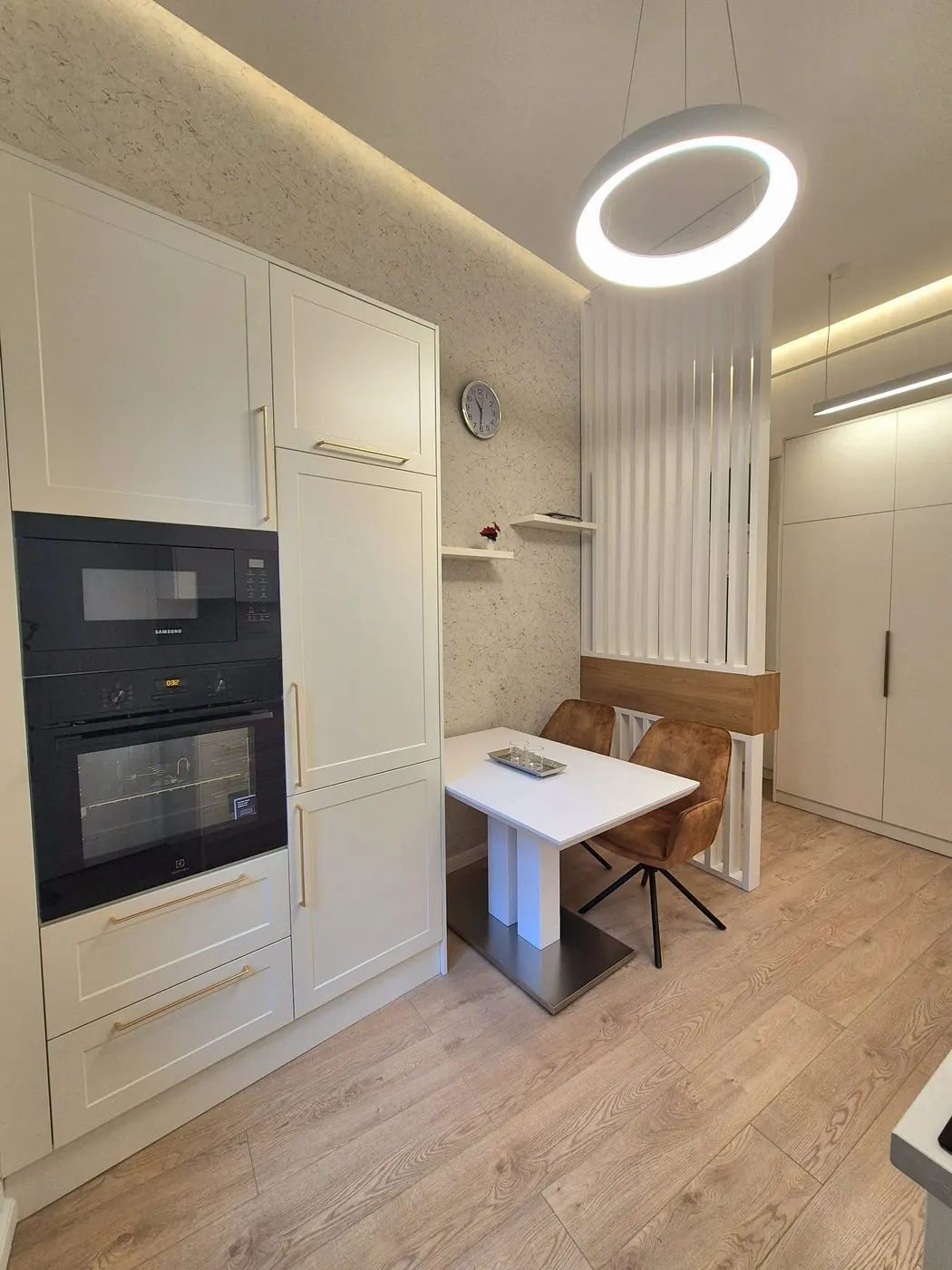
Renovation Handover Checklist – Snag List, Documents and Warranty
An apartment renovation does not end with the last coat of paint – it ends with the handover. That is when you inspect the finished work, when the snag list goes on paper, and when the warranty period starts.
Read more →