Why DIY Coordination Costs More Than a Contractor
Most renovations don't bleed money on materials. They bleed on wrong sequencing, late decisions and nobody seeing the whole picture.
There is one sentence we hear on almost every renovation that went sideways: "It seemed like a good idea at the time."
The owner lines up the tradespeople personally. The painter comes on a friend's recommendation. The tiler is free in two weeks. The electrician can only come in the evenings. Meanwhile the kitchen fitter wants to take measurements because production is already slipping. On paper it sounds perfectly logical: why pay for general contracting when every trade can be found separately?
Then the weeks pass, sometimes months, and costs start climbing in a way nobody can quite explain. The explanation is actually simple. Most renovations don't lose money on material prices. They lose it on wrong sequencing, bad decisions and a lack of coordination.
Key takeaways
- The most expensive renovation mistakes hide in the order of work and in late decisions, not in the price of materials.
- In kitchens and bathrooms centimetres decide everything: one misplaced water outlet can wreck an entire furniture layout.
- Drywall and flooring defects show up months after handover, when fixing them is far more expensive.
- General contracting is not an extra cost. It is the system that prevents extra costs.
- The real question is not what a general contractor costs, but what it costs to go without one.
The kitchen where everything was perfect, until the furniture arrived
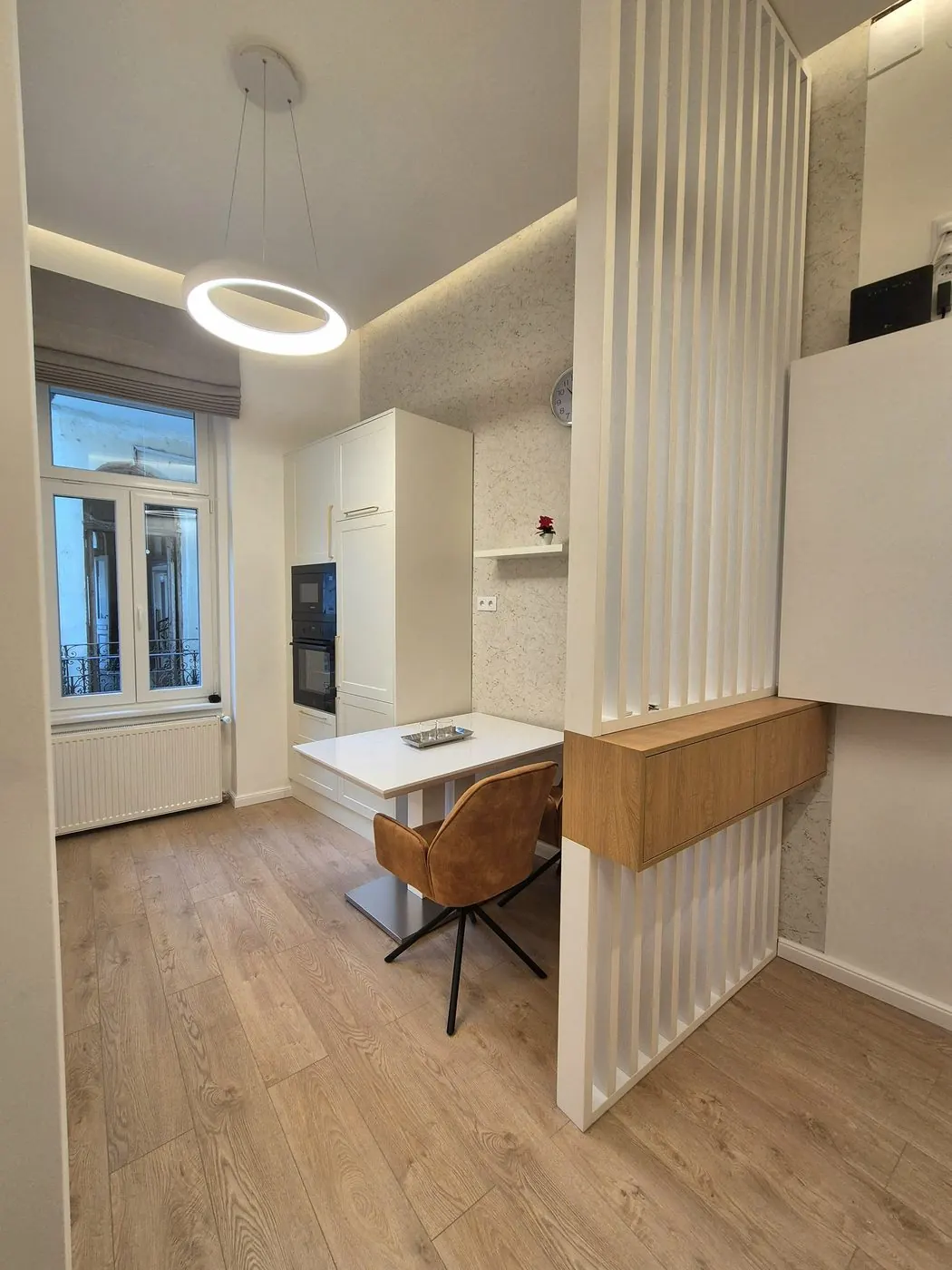
For most people the kitchen is the heart of the home. Mornings start here, family dinners are cooked here, the best conversations happen here. No wonder it gets the most attention during a renovation: choosing the tile pattern, browsing kitchen ideas for hours, settling on the worktop colour, finding the perfect tap.
There is just one small problem. A 3D rendering is not a plan. Real kitchen design starts when the furniture, the plumbing, the electrical outlets and day-to-day usability are all on the table at the same time.
If the water connection ends up ten centimetres in the wrong place, the chosen units no longer fit as intended. If the built-in appliance turns out to be a different size, the cabinets have to be reworked. If the splashback tile is chosen only at the very end, the whole concept can collapse. These are the costs that never appear in the original budget, yet almost always arrive.
A bathroom is not beautiful because the tiles were expensive
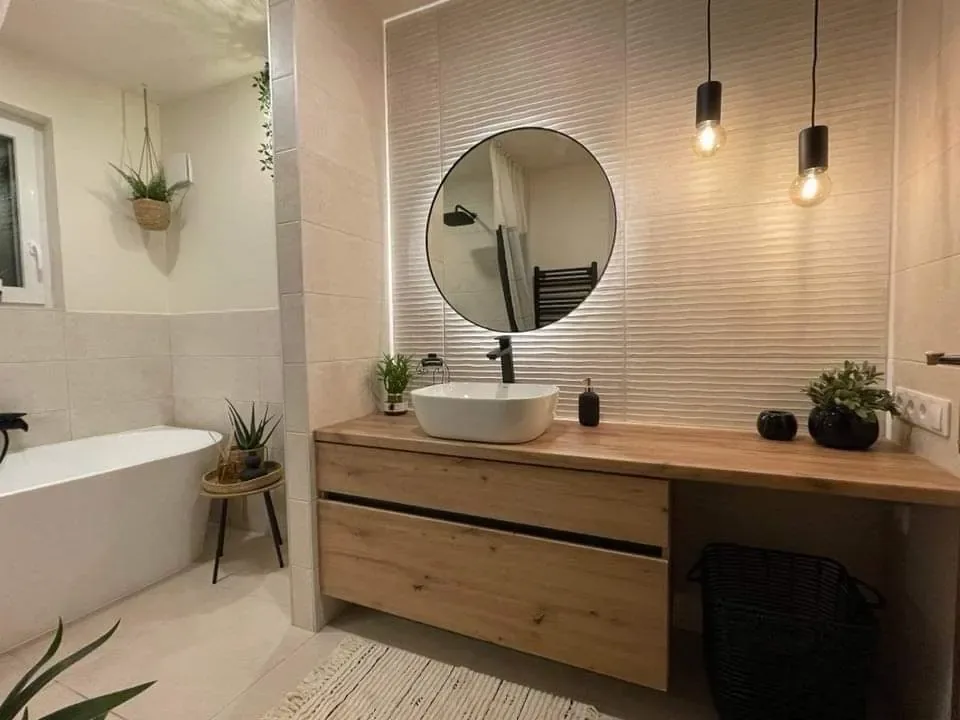
Few rooms can absorb as much money as a bathroom. Gorgeous tiles, new vanity units, designer cabinets all look fantastic in the catalogue. In reality, though, centimetres decide: a pipe outlet in the wrong spot, a wall built without the right thickness, a door swing nobody thought about, and suddenly you are standing in a room where everything is new and expensive, yet nothing quite works.
One of the biggest advantages of good general contracting is that these problems surface while they can still be fixed with an eraser, not a demolition hammer.
Drywall is engineering, not magic
Many owners still think of plasterboard as a quick, simple way to build a wall. The reality is more complex. A badly built drywall partition can crack, move or simply fail to carry the loads you expect from it.
The same goes for plasterboard ceilings and suspended ceilings. Behind the finish, every profile, every fixing point and every structural connection is doing real work. The problem usually doesn't appear when the job is finished but months later, and by then it is far more expensive to repair.
The living room shows every decision you made
The living room is the centre of the home: the family gathers here, guests are received here, most free time is spent here. Which is exactly why it reveals mistakes fastest. Oversized furniture crushes the space, a badly chosen wall unit blocks the light, the wrong flooring annoys the owner for years.
This is especially true in an open-plan kitchen-living room, where the apartment's most important functions meet in a single space. Rooms can no longer be treated separately: flooring, lighting, furniture and colours all have to work together. Well-chosen paint colours can make the space feel bigger, while after one bad decision everything can be new and the overall effect still falls flat. That is why genuinely good living room ideas are born at the drawing board, not in the furniture showroom.
Flooring is most expensive when you have to do it twice
One of the most common renovation errors is treating flooring as a purely aesthetic question. Yet parquet or laminate defines the comfort of a home for many years. If the subfloor is not properly prepared, if the levelling is off, or the wrong technique is used, the problems will surface sooner or later: creaking, cupping, gaps at the joints, wear. That is when the cheaper option turns out not to have been cheap at all.
Often even the skirting has to be replaced, and in some cases a complete tear-out cannot be avoided. With older floors, professional sanding would frequently be the better decision, but only someone who sees the entire project can judge that properly.
The terrace cannot be left for last either
In many renovations the terrace gets the same treatment: "we'll deal with it later". Later usually means the budget is gone, the time is gone, and everyone just wants it to be over. Yet outdoor surfaces, drainage, connections and structural details need the same planning as any other part of the home. A well-functioning home does not end at the front door.
Where the money goes: typical sequencing mistakes
| Late decision | What happens on site | Consequence |
|---|---|---|
| Kitchen units chosen after the services are installed | Water and electrical outlets don't match the layout | Chasing, re-tiling, redesigned furniture |
| Appliance sizes decided late | The appliance doesn't fit the finished cabinets | Furniture rework, slipping deadline |
| Bathroom fittings picked after tiling | Pipe outlets don't line up | Demolition on brand-new tiles |
| Flooring laid without subfloor preparation | Uneven, creaking floor | Complete relaying |
| Terrace and exterior details left to the end | No budget, no time | Half-finished home, drainage problems |
General contracting: the cheapest "expensive" decision
Many people hesitate over general contracting for a renovation because at first glance it looks like an added cost. In practice it is very often the thing that prevents added costs.
When organisation, technical coordination and execution come together in one pair of hands, the chance of trades undoing each other's work, or of a bad decision surfacing weeks later, drops dramatically. An experienced contractor doesn't just build. They think ahead, see the connections and solve problems before they become problems.
This matters even more in a complex Budapest apartment renovation, where time, the shortage of skilled trades and logistics are serious challenges on their own. This is exactly why we at TeleHome work as a general contractor: with a site survey, an itemised budget and a single responsible point of contact who sees the whole picture. You can see what that looks like in practice among our references.
A successful renovation is rarely successful because you chose the most expensive of everything. It succeeds because there is a plan, a system, and someone who sees it all as one.
So in a full-scope renovation the most important question is not what general contracting costs. It is what it costs without it. If you would like to see the connections in your own project before the work starts, request a free survey and itemised quote.
Frequently asked questions
What exactly does a general contractor do on an apartment renovation?
They bring the survey, budget, schedule, coordination of trades and technical decisions together in one place. The owner has a single responsible contact who is accountable for the entire process from demolition to handover.
Is general contracting really more expensive than organising the trades yourself?
The service has a fee, but experience shows that the hidden costs of self-managed projects, such as tearing out finished work, re-tiling, slipping deadlines and materials bought twice, usually exceed it by a wide margin. Coordination is not an extra line item; it is insurance against extra line items.
When should a general contractor get involved?
As early as possible, before furniture and finishes are chosen. Kitchen, bathroom and services decisions are cheapest to coordinate while they can still be corrected on paper rather than on a finished wall.
Request a no-obligation quote
On-site survey, itemised cost estimate, fixed deadline and warranty – we reply within 1 business day.
- Reply within 1 business day
- Itemised cost estimate
- Fixed price, fixed deadline, warranty
Related articles
Panel Apartment Renovation in Budapest – A Step-by-Step Guide
A panel apartment is more predictable to renovate than a hundred-year-old downtown flat, but it has its own rules: most walls are load-bearing, the risers are shared, and the wiring runs inside concrete.
Read more →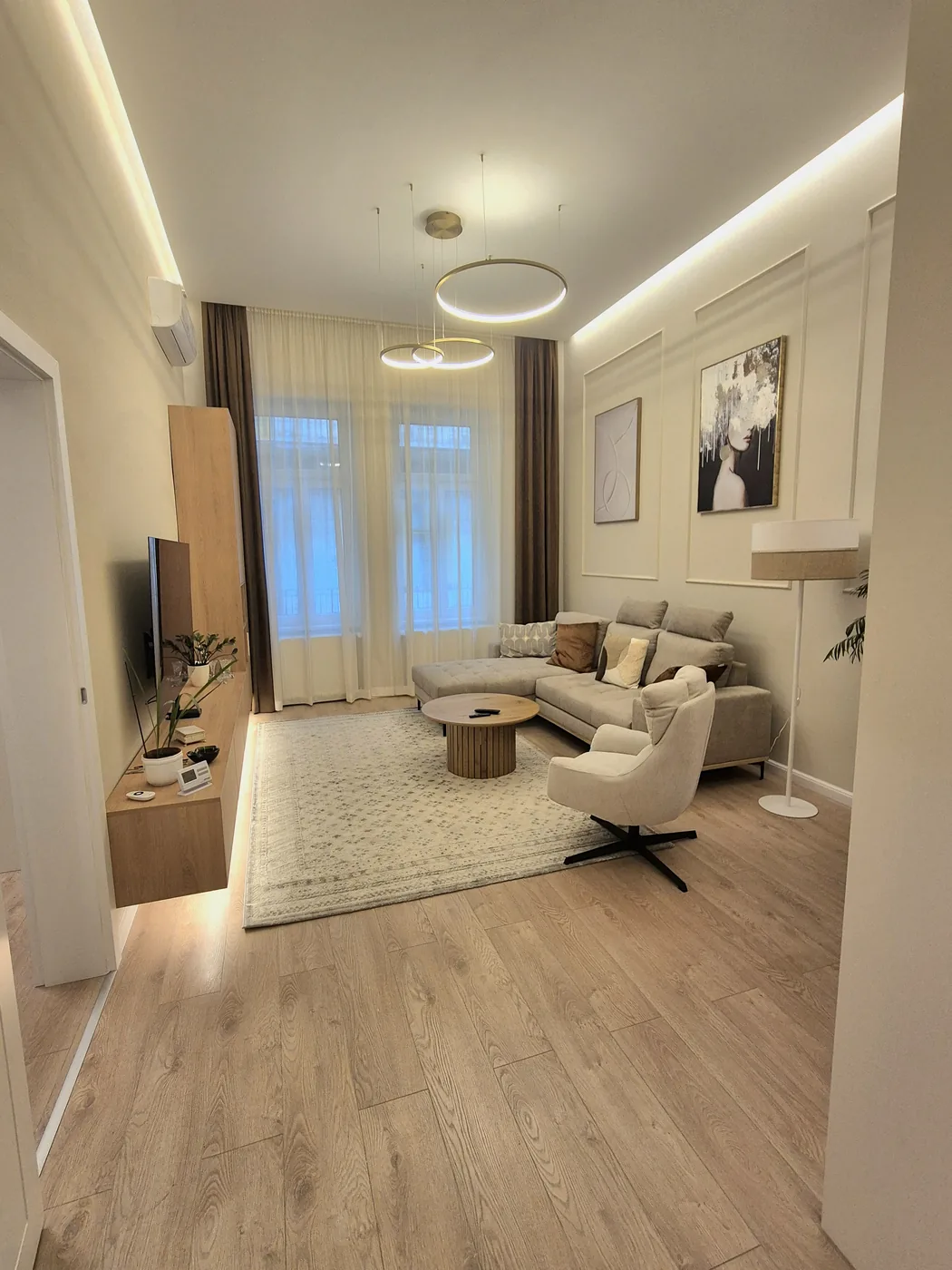
Renovating a Rental Apartment in Budapest – Where to Spend and Where Not To
Renovating a rental apartment follows a different logic from renovating your own home. The question is not what you like, but what pays back, what survives tenants, and how long the flat stands empty while the work is done.
Read more →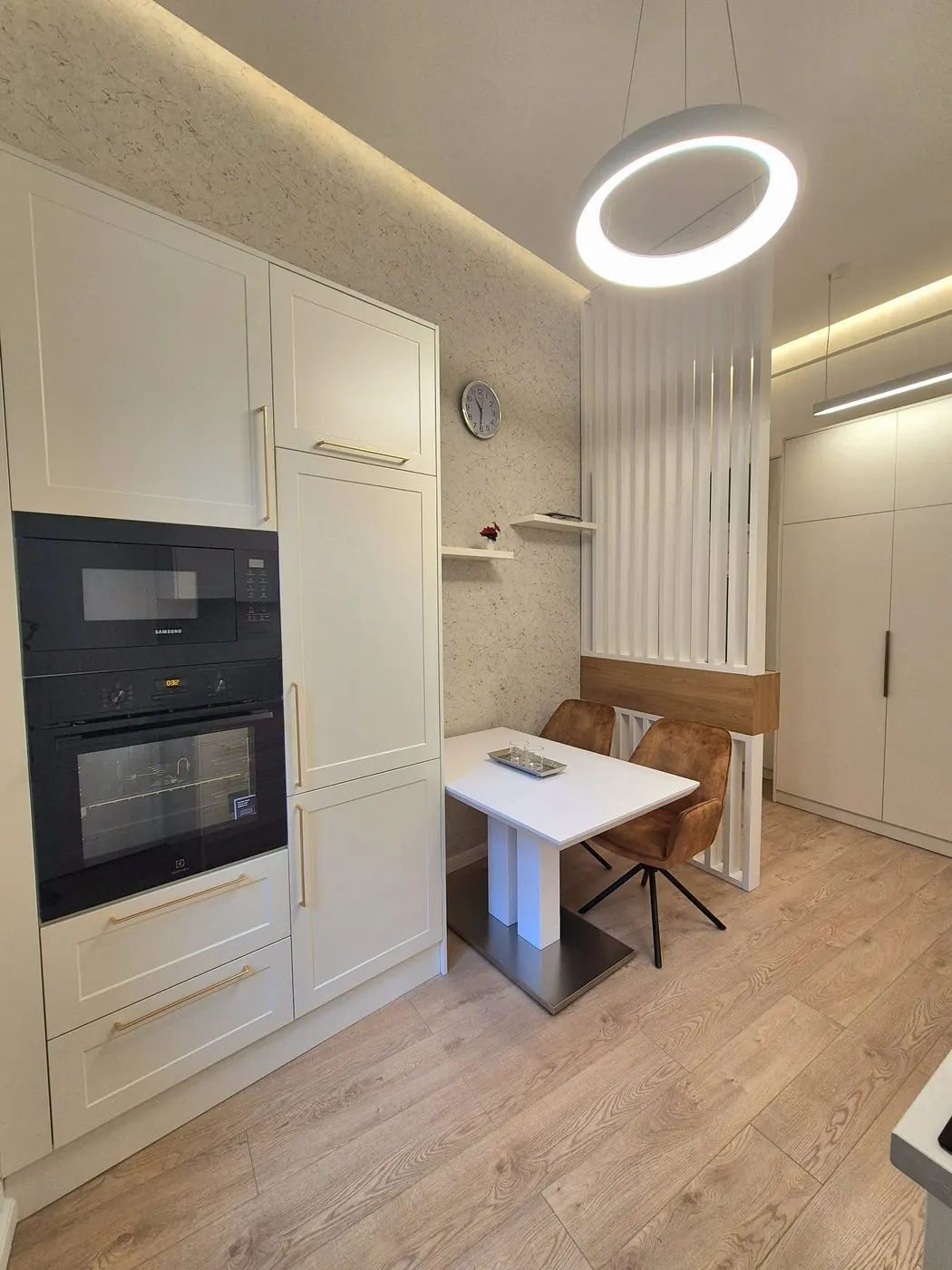
Renovation Handover Checklist – Snag List, Documents and Warranty
An apartment renovation does not end with the last coat of paint – it ends with the handover. That is when you inspect the finished work, when the snag list goes on paper, and when the warranty period starts.
Read more →