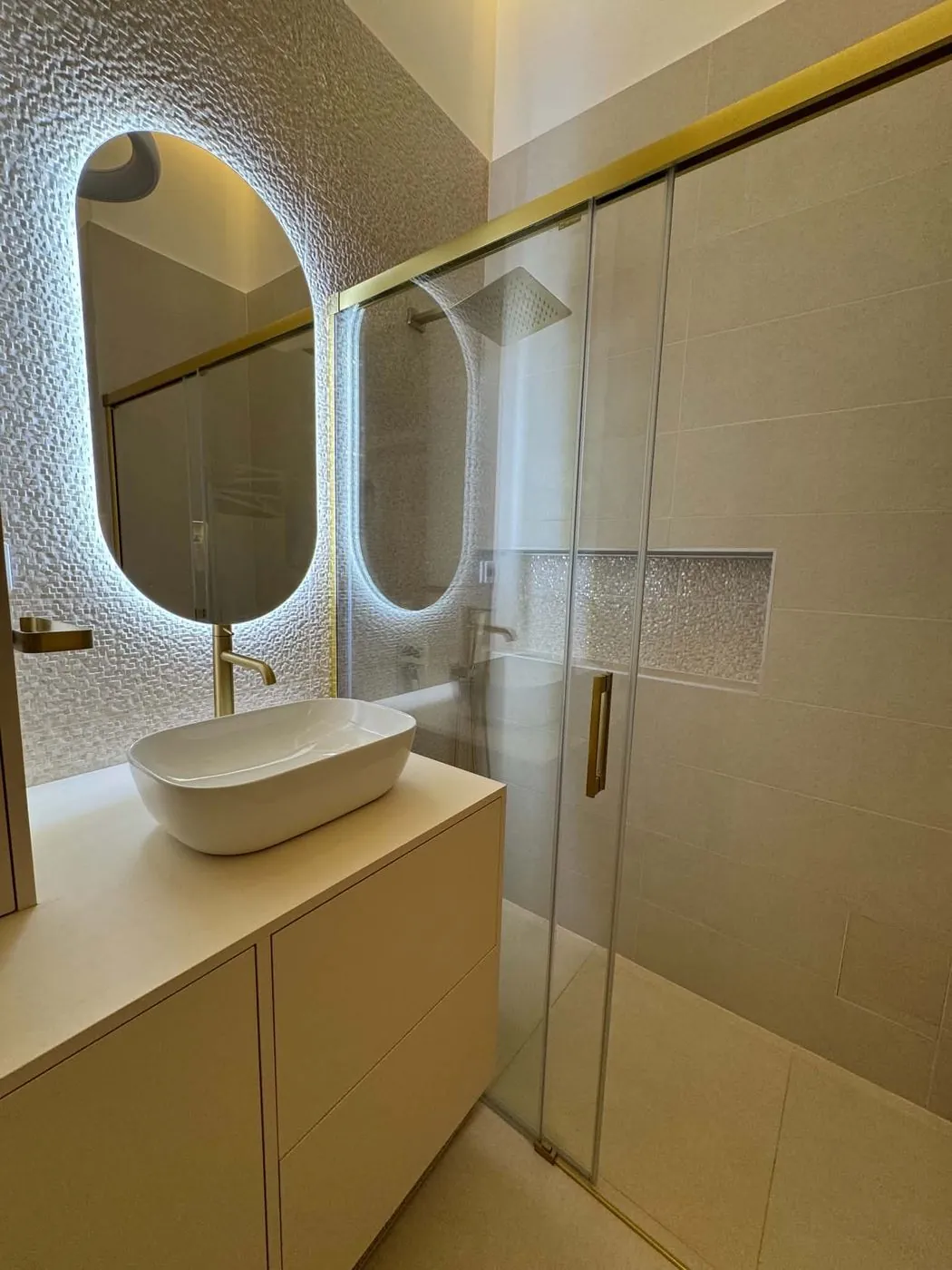
Apartment Modernization: Windows, Heating, Hot Water and Insulation
Modernizing an apartment starts where painting ends: windows, heating, hot water and insulation. These decide your utility bills and how the home actually feels.
Modernizing an apartment starts where painting ends: windows, heating, hot water and insulation. These decide your utility bills and how the home actually feels. We walk through the options – from radiator replacement through wet and electric underfloor heating to eliminating thermal bridges – specifically for apartments.
Modernizing an apartment is a different task from modernizing a house: the facade, the structural walls and the risers belong to the building community, some options depend on a joint decision, and space is limited. In exchange, a well-aimed modernization – new windows, a new heating system, a few smartly placed layers of insulation – noticeably cuts the bills and the risk of mold even in an apartment.
Summary
- The four main areas in an apartment: external windows and doors, the heating system, domestic hot water, and insulation with thermal bridges.
- The order: windows and insulation first, then size the heating for the reduced heat demand.
- Wet underfloor heating needs a new floor build-up: demolition, insulation, heating pipes, new screed – effectively a full renovation of the rooms involved.
- Electric options (heating mats, panels, towel radiators, A/C) need less demolition but load the electrical system.
- In a condominium, boiler replacement, flue routing and anything touching the facade may require permits or the building's consent.
- The Wekerle Plus energy renovation subsidy announced for 2027 is set to cover condominium apartments too.
1. External windows: the foundation of modernization
In an apartment, most heat is typically lost through the windows – especially in a middle-floor unit, where floor and ceiling border heated neighbours. That is why modernization almost always starts with window replacement: triple glazing, taped (airtight) installation, new sills. In a condominium the colour and the pane division may be fixed by the building – we covered the whole process in our window replacement article. One more thing: with new, airtight windows, regular ventilation (or trickle vents) becomes essential, otherwise humidity and mold risk rise.
2. Heating upgrade: the building decides the options
| Starting point | Modernization options | What to watch |
|---|---|---|
| District or central heating | Radiator replacement, thermostatic valves, balancing | The system is shared; radiator changes may need coordination |
| Apartment gas boiler | Replace old boiler with a condensing unit; new heating circuit with radiators or underfloor heating | Flue: a condensing boiler needs a new flue system – in a condominium, with the building's consent |
| Convector heaters | Build a boiler-based system with new emitters, or go electric + A/C | Gas design and installation are licensed work |
| No gas / going all-electric | Electric heating, A/C; heat pump more rarely in apartments | Checking electrical capacity and wiring is mandatory |
Replacing or installing a gas boiler
Swapping an old boiler for a condensing one brings real savings on its own – but only with a proper flue, and it performs best when the emitters are large enough for lower flow temperatures. In a full renovation, plan the boiler and the new heating circuit together: with radiators (faster, cheaper, can be done any time) or with wet underfloor heating.
Wet underfloor heating in an apartment: a new floor build-up
Wet underfloor heating is the most comfortable solution, but in an apartment it is also the biggest intervention: after removing the existing flooring and screed, a new floor build-up is constructed – insulation board, heating pipes, new screed, then the flooring. It needs ceiling height (the build-up takes several centimetres), a floor slab that can take the load, and drying time. In practice it only makes sense as part of a full renovation of the affected rooms. If the floor stays, low-temperature radiators with larger surfaces are the right direction.
Electric heating: strong as a complement
- Electric heating mats or films: under the flooring in bathrooms and kitchens they are an excellent comfort element; thin build-up, fast control. As the sole heating they are economical only in well-insulated, low-demand apartments.
- Electric towel radiators: solve the off-season bathroom problem – no need to run the whole heating system.
- Heating panels: quick to install, but expensive to run – for transitional or rarely used rooms.
- A/C (air-to-air heat pump): heats and cools, and is the most efficient electric heating in the shoulder seasons; placing the outdoor unit usually requires the building's consent.
- Air-to-water heat pump: rarer in apartments, but feasible in units with their own heating and a balcony or garden connection.
The common precondition of every electric option: the wiring must take it. In older apartments that often means a wiring upgrade and extra capacity – clarify this before choosing the heating.
3. Domestic hot water: the quiet bill-eater
The DHW system is three questions: what produces the hot water, what stores it, and how far it travels to the tap. With a combi boiler, the boiler swap solves hot water too; with a storage system, replacing an old, scaled-up cylinder already pays off. Worth considering: a new cylinder placed closer to the bathroom (less water cooling in the pipe), timer or smart control for off-peak electricity, and insulating the pipes. In a full renovation, redesigning the hot water circuit is part of the basic plumbing phase.
4. Insulation and thermal bridges: there is room to act in an apartment
The facade is communal, but within your own walls there are options – depending on the situation:
- Floor: in a ground-floor unit above a cellar, insulating the floor (in a new build-up) noticeably improves comfort – and comes almost free when underfloor heating is installed.
- Ceiling: on the top floor, insulate from the attic side if accessible (a condominium matter), or from inside with a suspended ceiling filled with mineral wool.
- Walls: walls bordering cold spaces (gateway, stairwell, lift shaft, a north-facing fire wall) can get internal insulation – but it must be designed for vapour (vapour barrier or capillary-active system), otherwise the mold simply moves behind the insulation.
- Thermal bridges: moldy corners, window reveals, roller-shutter boxes and balcony slab junctions are the classics. What can be fixed from inside: reveal insulation during window replacement, insulating or replacing shutter boxes, thin internal insulation on critical strips, and managing humidity (ventilate!). The definitive fix for structural bridges (balcony slabs) is external facade insulation – which is a condominium decision.
In an apartment, modernization is half physics and half diplomacy: inside your walls it is your decision – outside, you need the building.
What order makes sense?
- Survey and energy thinking: where is heat lost, what can the wiring take, what will the condominium allow?
- Window replacement (with reveals, sills and shutter boxes sorted at the same time).
- Insulation and thermal bridge treatment where possible within the apartment.
- Heating and hot water sized and built for the reduced heat demand – boiler, emitters, controls.
- Surfaces restored: flooring, painting – see our partial renovation article.
The Wekerle Plus energy renovation subsidy announced on 19 October 2026 is set to cover condominium apartments too (renovations up to HUF 5.2 million per apartment), with a minimum 30% energy saving requirement – exactly the direction of the upgrades above. The detailed rules have not been published yet.
Apartment modernization with TeleHome
TeleHome delivers apartment modernization as part of a renovation or as targeted work: window replacement, plumbing, gas and heating work, electrical upgrades and insulation in one hand, including the condominium coordination. At the survey we also tell you which measure brings how much – and what is worth aligning with the expected subsidy conditions. Request a survey.
Frequently asked questions
Where should I start modernizing my apartment?
With the windows and the insulation that is possible within the apartment – then size the heating for the reduced heat demand. In the reverse order you end up with an oversized heating system.
Can wet underfloor heating be retrofitted into an existing apartment?
Yes, but it needs a new floor build-up: demolition, insulation, pipes, new screed, new flooring – and enough ceiling height. That is why it only makes sense as part of a full renovation; otherwise low-temperature radiators or electric heating mats are the alternative.
Why does the corner of the room go moldy, and what can be done?
It is usually a thermal bridge: humidity condenses on the cold surface. The fix is reducing the bridge (reveal insulation, shutter box, internal insulation designed for vapour) and regular ventilation – especially after new windows.
Can I replace the gas boiler in a condominium apartment?
Yes, but a condensing boiler needs a new flue arrangement, which may affect the chimney or the facade – that means chimney-sweep approval and often the building's consent. Gas work must be designed and carried out by licensed professionals.
Related articles: Partial apartment renovation · Bathroom renovation step by step · Why most apartment renovations in Budapest go wrong at the start
Request a no-obligation quote
On-site survey, itemised cost estimate, fixed deadline and warranty – we reply within 1 business day.
- Reply within 1 business day
- Itemised cost estimate
- Fixed price, fixed deadline, warranty
Related articles
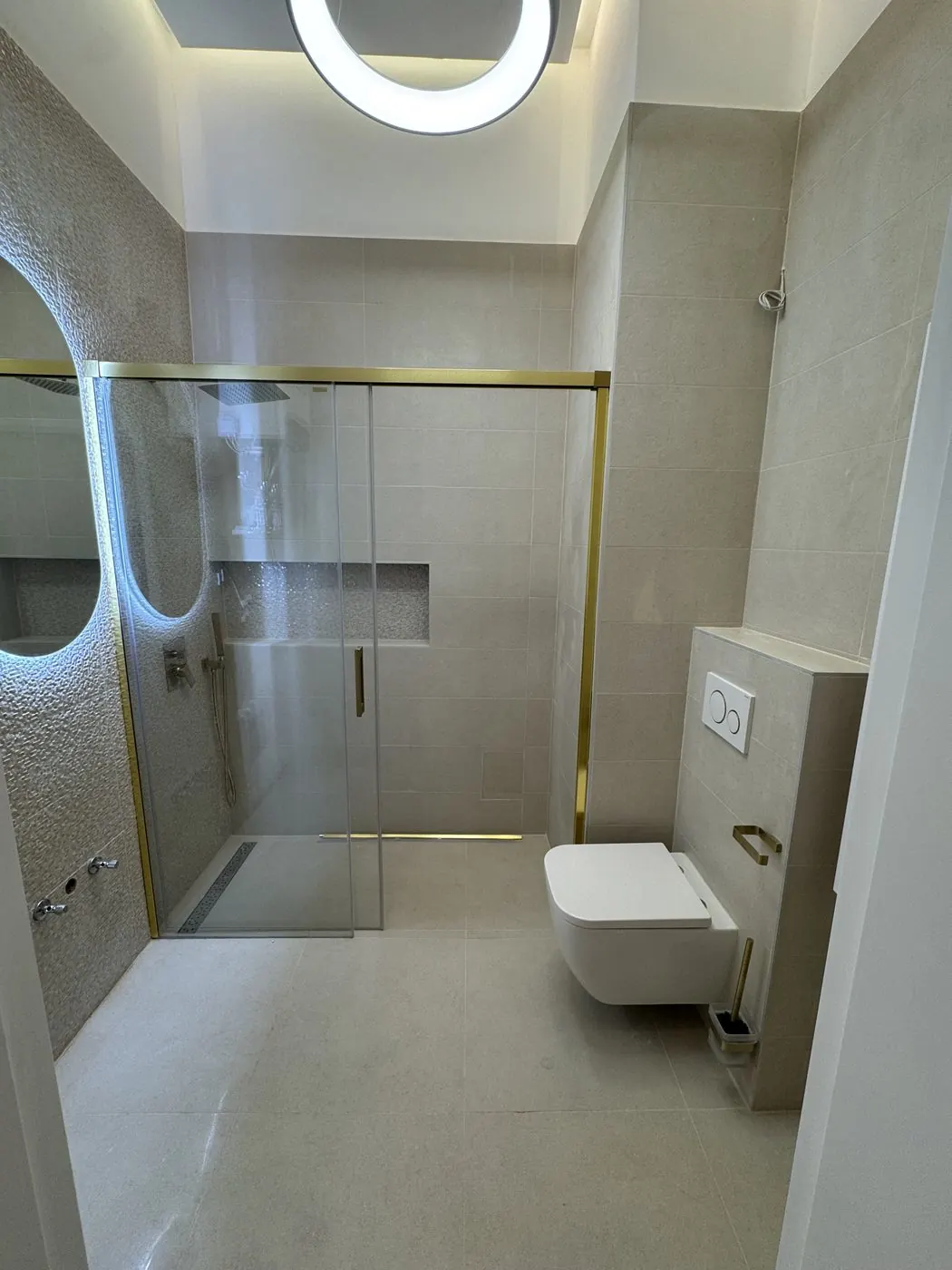
Bathroom Renovation Step by Step: From Demolition to Painting
The bathroom is the densest room of any home: water, electricity, humidity and tiling meet on a few square metres. Its renovation tolerates no improvisation – from demolition to painting, every step works for the next one.
Read more →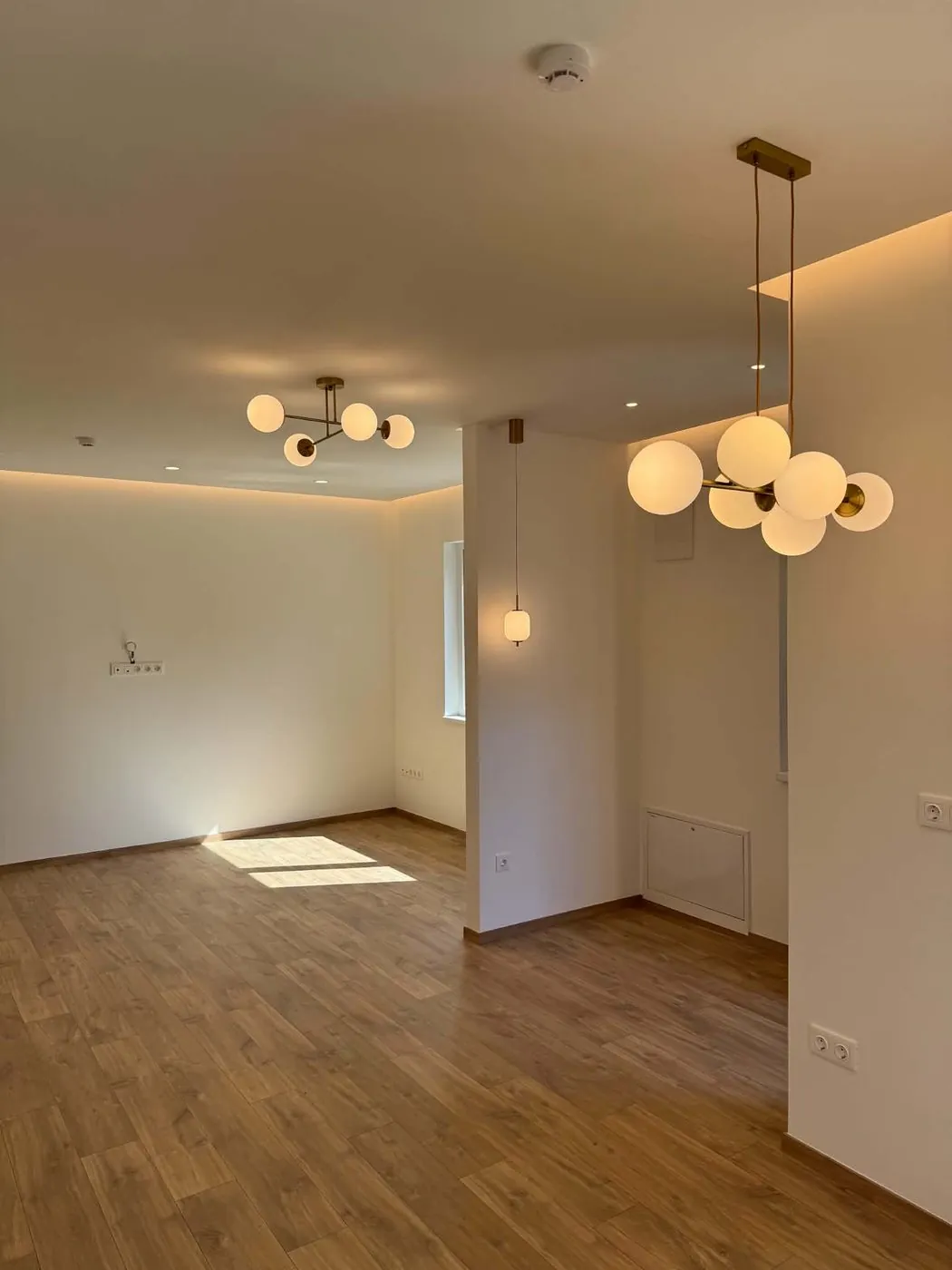
Partial Apartment Renovation: What It Includes and the Right Order of Work
Not every apartment needs a full renovation. If the plumbing and wiring are in good shape, a well-planned partial renovation – new flooring, interior doors, fresh paint, new fixtures, even a complete bathroom – can give you…
Read more →
Facade Insulation on a Family House: System, Thickness, Pitfalls
Facade insulation is the best-paying part of a family-house renovation – but only if it is built as a system: from matching materials, thick enough, thought through from the plinth to the eaves.
Read more →