Partial Apartment Renovation: What It Includes and the Right Order of Work
Not every apartment needs a full renovation. If the plumbing and wiring are in good shape, a well-planned partial renovation – new flooring, interior doors, fresh paint, new fixtures, even a complete bathroom – can give you…
Not every apartment needs a full renovation. If the plumbing and wiring are in good shape, a well-planned partial renovation – new flooring, interior doors, fresh paint, new fixtures, even a complete bathroom – can give you a new home in a matter of weeks. Here is what a partial renovation includes, what is worth combining, and where its limits are.
Partial renovation is the most common type of project we are asked for: the apartment works, but it is tired. The parquet is worn, the walls have yellowed, the bathroom is dated, the interior doors stick. The answer is not to demolish everything – it is to decide precisely what gets renewed, and in what order, so that nothing has to be done twice.
We covered the decision itself – full or partial renovation – in a separate article; this one is about what a partial renovation contains in practice and how to structure it well.
Summary
- Typical elements: flooring replacement, interior door replacement, repainting (light refresh or full repaint), replacement of fittings and sanitaryware, bathroom renovation, targeted plumbing or electrical work.
- The order still matters: first everything that opens up walls and floors (plumbing, electrical, screed), then flooring, doors, and painting at the end.
- Flooring and interior doors should be handled together: a change in floor level affects every door.
- The bathroom is the largest stand-alone unit within a partial renovation – with its own sequence and waterproofing.
- It can be done in an occupied apartment, scheduled room by room – but expect dust and furniture moving.
What fits into a partial apartment renovation?
| Work | What it means in practice | What to watch |
|---|---|---|
| Flooring replacement | New laminate, vinyl or parquet; tiles in kitchen and hallway | Condition of the screed, floor levels, threshold-free transitions |
| Interior door replacement | New door leaves and frames (overlay frames or full replacement) | 4–8 weeks production time; align with the new floor level |
| Repainting | Light refresh (1–2 coats) or full repaint with skim coating | Painting is always one of the last steps |
| Fittings and sanitaryware | Taps, WC, washbasin, shower; switches, sockets, lights | Concealed fittings (wall-hung WC, built-in taps) already require demolition |
| Bathroom renovation | Full strip-out, new services, waterproofing, tiling, installation | Covered step by step in our separate article |
| Targeted plumbing/electrical | A pipe section, a new circuit (A/C, induction hob), boiler swap | If the whole system is outdated, partial replacement only postpones the problem |
The right order – even in a partial renovation
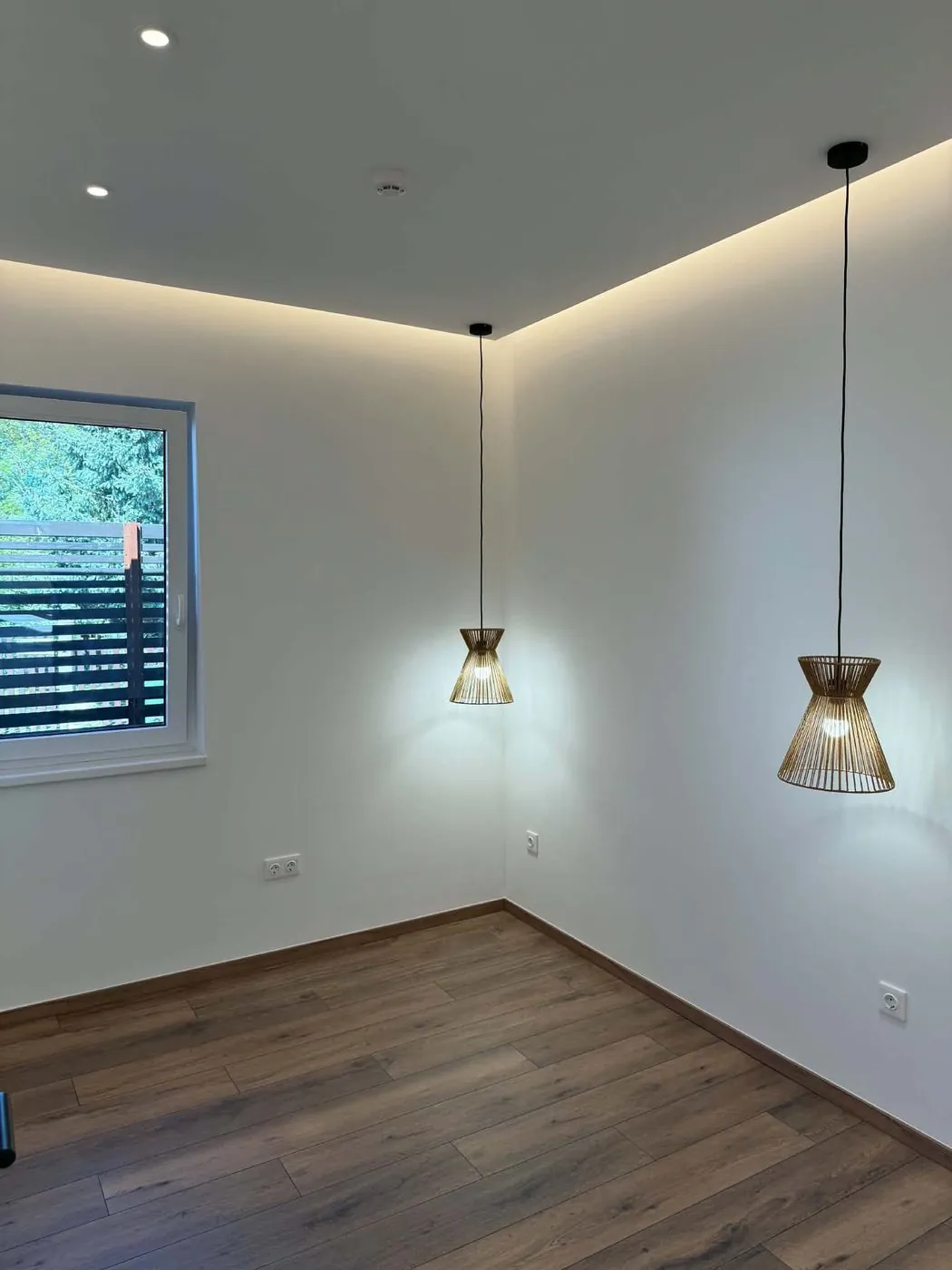
The most common mistake is a project that starts as “just a repaint” and grows mid-way – a new circuit here, a pipe replacement there – so the freshly painted wall gets chased open again. The right order:
- Decisions and survey. What gets renewed now, what stays for later? The survey also shows what must be fixed before the visible works.
- Order long-lead items. Interior doors, shower enclosure, custom furniture – typically 4–8 weeks of production time.
- Demolition and plumbing/electrical work. Everything that chases walls or opens floors: new outlets, circuits, pipe replacements. Then masonry repairs.
- Screed repair and self-levelling compound wherever new flooring is coming.
- Tiling (bathroom, kitchen, hallway), then wood or vinyl flooring in the rooms.
- Interior doors fitted to the new floor level.
- Painting – with skim coating where needed, protecting the new doors and floors.
- Final fit-out and handover: switches, lights, taps, sanitaryware, accessories, cleaning.
A partial renovation is cheap when it is done once – not when it starts small and grows mid-way.
Flooring and interior doors: why together?
Both depend on the floor level. If the old carpet is replaced with a thicker build-up (levelling + vinyl or parquet), the door leaves need trimming – and with old, tired doors it is usually better to replace them. Overlay frames (fitted onto the old frame) allow replacement without demolition, but only if the old frame is sound and the size works; a full frame replacement means masonry and paint repairs. Also plan the transition profiles (they should run under the closed door leaf), decide on thresholds, and fit skirting boards last, after painting.
Light refresh or full repaint?
A light refresh means repainting sound surfaces in 1–2 coats – fast, clean, ideal before or after moving. A full repaint includes skim coating, repairs and, if needed, removal of old layers – necessary where walls are cracked or flaking, or where chasing was done. If the project includes any electrical or plumbing work, the repaired surfaces will push you towards a full repaint anyway – budget for it from the start.
Fittings and sanitaryware: the quick win
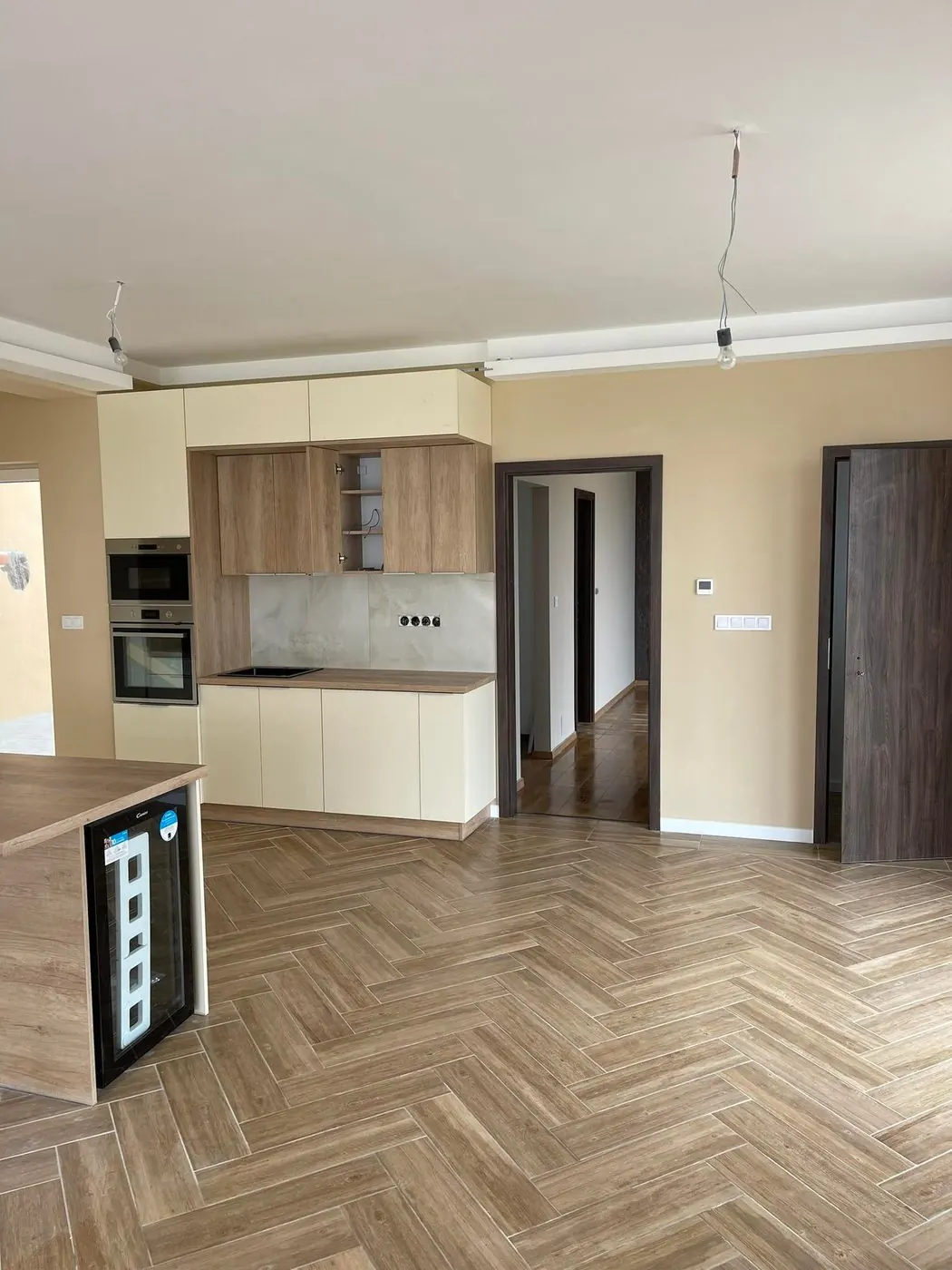
Replacing switches, sockets, lights, taps and sanitaryware is the most visible small job – with two conditions. First, the system behind them must be sound: a new switch on old aluminium wiring is not modernization. Second, the standards must be met: protection zones in bathrooms, separate circuits for high-power kitchen appliances. A WC, washbasin or tap can usually be replaced without breaking tiles if the connection points are in the right place; a wall-hung WC or concealed tap, however, means demolition and partial re-tiling.
The bathroom: the biggest piece within a partial renovation
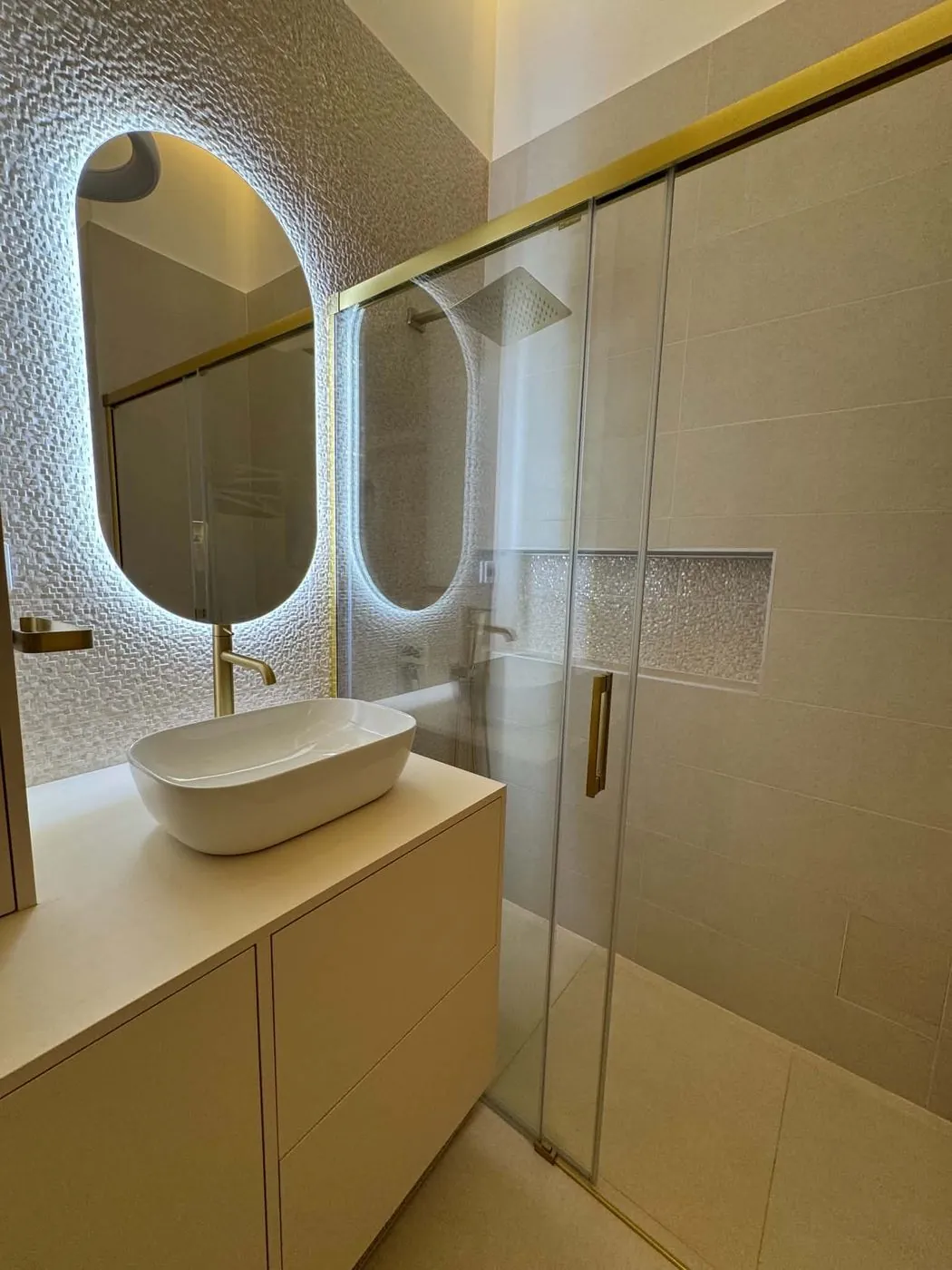
A bathroom renovation is a project within the project: strip-out, plumbing, electrics, waterproofing, tiling, fit-out – typically 2–4 weeks. It is a common and sensible choice to make the bathroom the centrepiece of a partial renovation: this is where going back to bare walls pays off most, because the waterproofing and the pipework can only be fixed that way. We described the whole process in a separate article: Bathroom renovation step by step.
Targeted plumbing or electrical work: where is the limit?
Targeted technical work is perfectly normal in a partial renovation: a new circuit for the A/C or induction hob, a boiler replacement, one corroded pipe section renewed, new TV and network outlets in the living room. The limit is where partial work becomes patching: with aluminium wiring and fuse boxes, or fully corroded steel water pipes, section-by-section replacement is more expensive and riskier than doing it properly once. In that case, reconsider the project as a full renovation – or at least phase it by layers, not by rooms.
Can it be done while you live there?
Yes – the big advantage of a partial renovation is that it can be scheduled room by room, with one room emptied at a time, floor protection and daily cleaning. Two honest warnings: during demolition phases (bathroom, chasing) dust and noise are unavoidable even with careful protection; and room-by-room progress is slower than working in an empty apartment. If you can, plan to stay elsewhere for the dustiest week.
Partial renovation with TeleHome
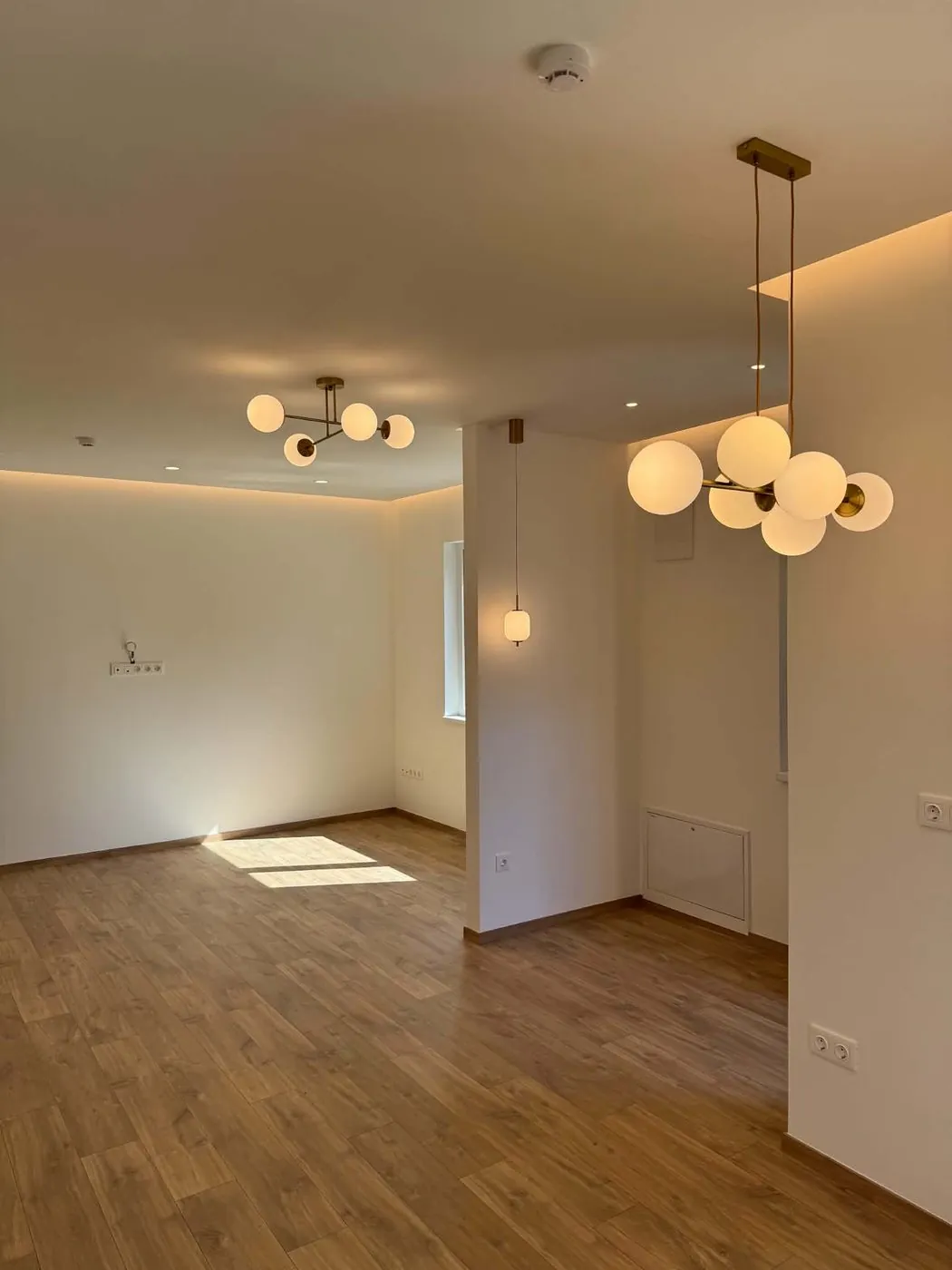
TeleHome delivers partial renovations as a general contractor: tiler, carpenter, painter, plumber and electrician on one schedule, with one responsible contact. After an on-site survey you receive an itemized quote that shows line by line what the work includes – and what is worth doing now, in one mobilization. At our Solymár reference project the heating system and the external windows stayed, yet the apartment received an almost complete interior renewal. We work across Budapest and Pest county – request a survey.
Frequently asked questions
What does a partial apartment renovation include?
Typically flooring replacement, interior doors, repainting, replacement of fittings and sanitaryware, a bathroom renovation and targeted plumbing or electrical work – combined according to the apartment's condition and your goals.
How long does a partial apartment renovation take?
It depends on the scope: painting and flooring take 2–3 weeks; with a bathroom and door replacement, typically 4–8 weeks. The 4–8 week production time of interior doors runs in parallel if ordered before work starts.
What is the right order for a partial renovation?
First all work involving demolition (plumbing, electrical, screed), then flooring, interior doors and painting, and finally the fit-out. This way nothing has to be done twice.
Can I live in the apartment during a partial renovation?
Yes, scheduled room by room, with protective covering and daily cleaning. Plan to be away for the dustiest days (demolition, wall chasing).
Related articles: Apartment modernization: windows, heating, hot water, insulation · Bathroom renovation step by step · Why most apartment renovations in Budapest go wrong at the start
Request a no-obligation quote
On-site survey, itemised cost estimate, fixed deadline and warranty – we reply within 1 business day.
- Reply within 1 business day
- Itemised cost estimate
- Fixed price, fixed deadline, warranty
Related articles
Apartment Modernization: Windows, Heating, Hot Water and Insulation
Modernizing an apartment starts where painting ends: windows, heating, hot water and insulation. These decide your utility bills and how the home actually feels.
Read more →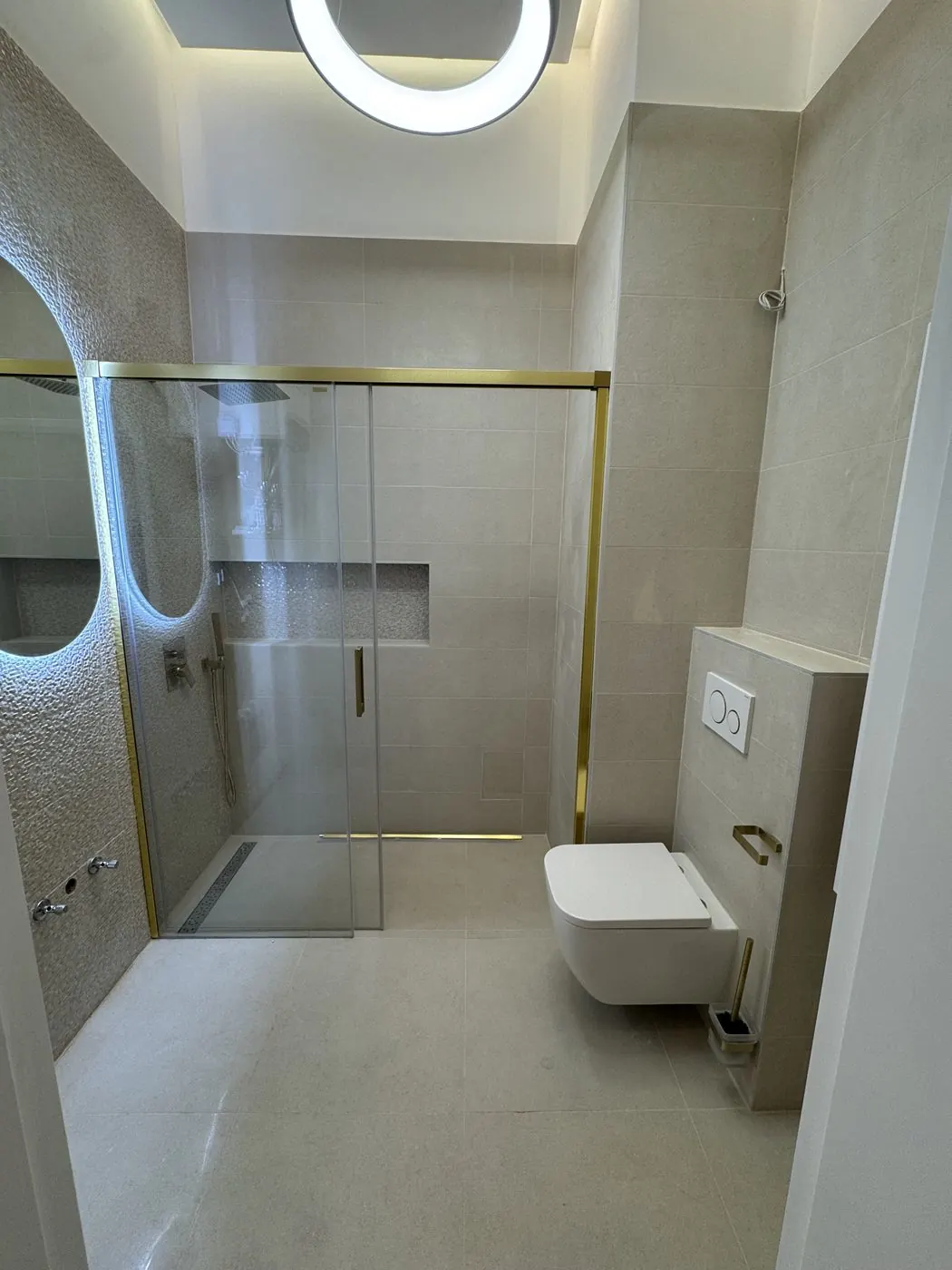
Bathroom Renovation Step by Step: From Demolition to Painting
The bathroom is the densest room of any home: water, electricity, humidity and tiling meet on a few square metres. Its renovation tolerates no improvisation – from demolition to painting, every step works for the next one.
Read more →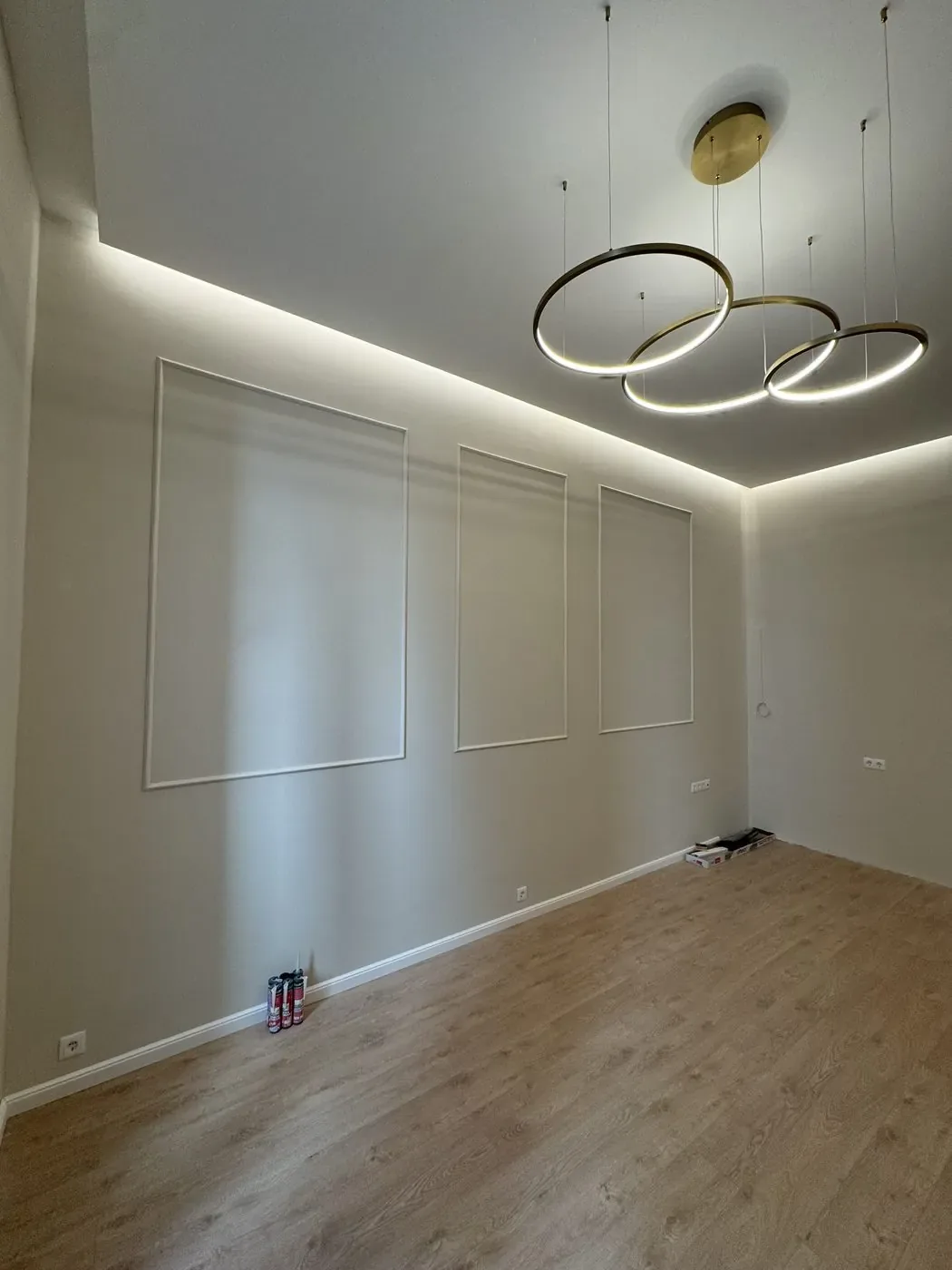
Facade Insulation on a Family House: System, Thickness, Pitfalls
Facade insulation is the best-paying part of a family-house renovation – but only if it is built as a system: from matching materials, thick enough, thought through from the plinth to the eaves.
Read more →