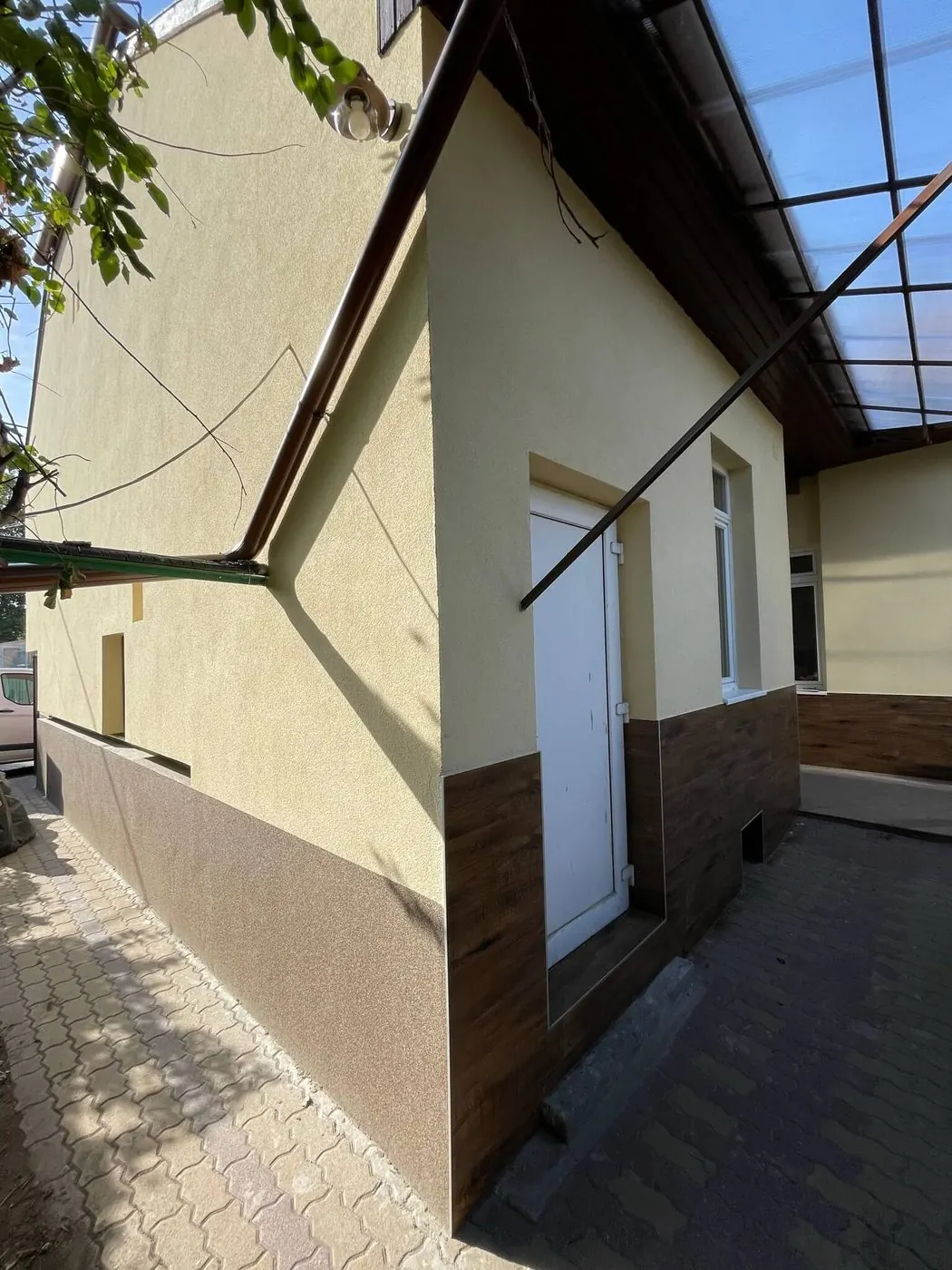
Family House Modernisation: Insulation
Insulation is the element of a family house renovation with the best return. Material choice, workflow, contractor and timing – a practical guide.
Renovating a family house is a serious investment that can bring significant savings and a more comfortable living space in the long run. It is worth placing particular emphasis on insulation, because it increases energy efficiency, reduces heating and cooling costs and contributes to an environmentally conscious way of life. In this article we look at which insulation solutions are worth choosing, which materials to use, what to watch for during the work, and what costs to expect.
1. Choosing the right insulation
The thermal insulation of a house depends on several factors: the material of the walls, the age of the house, the climate and the energy-saving goals. The following types of insulation are worth considering:
- Facade insulation: The most common solution, providing an external thermal insulation layer. The materials most often considered are expanded polystyrene (EPS), graphite-enhanced EPS or rock wool.
- Loft insulation: A significant share of heat loss escapes through the roof, so rock wool, glass wool or polyurethane foam is recommended here.
- Floor insulation: Important on the floor slab or above the cellar, especially if there is a cold air space below.
- Replacing or insulating windows and doors: Modern windows and doors with multiple glazing are of key importance.
Tips for choosing:
- Energy calculations: It is worth having a professional carry out a thermal imaging survey to reveal the biggest sources of heat loss.
- Environmental awareness: If sustainability matters to you, choose insulation made from natural raw materials.
2. Which materials should we use?
The right choice of material depends on the purpose of the insulation and the available budget. Some popular insulation materials:
- Expanded polystyrene (EPS): Light, inexpensive and effective for facade insulation. Its graphite version has even better thermal insulation performance.
- Rock wool: It has good sound and thermal insulation properties, is fire-resistant and is vapour-permeable, so it is also ideal for insulating lofts.
- Glass wool: Thanks to its flexibility, it is suitable for insulating lofts and hard-to-reach places.
- Polyurethane foam (PUR): It has a high insulation value and is excellent for lofts and floor slabs, but its price is higher.
3. What should we watch for during the work?
Preparation
- Planning: Before starting the work, a detailed plan must be prepared, including the material requirements and the budget.
- Scaffolding: For external insulation, safe scaffolding must be erected.
- Surface preparation: Old render, paint and any other loose layers must be removed from the walls, and cracks must be repaired where necessary.
Stages of the work
- Bonding and fixing: The insulation boards are fixed with a suitable adhesive and also secured with mechanical anchors.
- Meshing: The surface is reinforced with glass-fibre mesh so that the render does not crack.
- Final render: The last layer can be a coloured render or paint that also withstands the weather.
- Roof and floor insulation: Here particular attention must be paid to the placement of the vapour-barrier/breathable membranes and the air gaps.
Waste management
Special attention must be paid to handling demolition and construction waste. The waste must be sorted and removed in accordance with the regulations. We should aim to recycle; polystyrene, for example, can be handed in at sites specialising in it.
4. Choosing a contractor
Whether the insulation work is carried out professionally depends largely on the right contractor. Important considerations when choosing:
- References: Ask for photos of previous jobs or visit a completed project in person.
- Experience: Make sure the contractor has experience with the technology we have chosen.
- Contract: Record the terms, deadlines, materials to be used and the warranty in a detailed written contract.
5. Timing and the length of the renovation
When timing the insulation work, take the following into account:
- Weather: Spring or autumn is ideal, because weather that is too cold or too hot is not good for adhesives and renders.
- Length of the work: The external insulation of an average family house takes 2–4 weeks, and loft insulation a further 1–2 weeks.
7. Other important considerations
- Energy subsidies: Check whether state or EU subsidies are available for the renovation.
- Sustainability: Place the emphasis on energy-efficient solutions that pay for themselves in the long run.
- Warranty: Ask for a warranty on both the materials and the workmanship, so that quality is assured.
Renovating a family house requires serious commitment and thorough planning, but the end result is a home that is not only more attractive but also more energy-efficient and more sustainable. If we choose the right professionals and take the above considerations into account, the investment will bear fruit in the long run.
Request a no-obligation quote
On-site survey, itemised cost estimate, fixed deadline and warranty – we reply within 1 business day.
- Reply within 1 business day
- Itemised cost estimate
- Fixed price, fixed deadline, warranty
Related articles
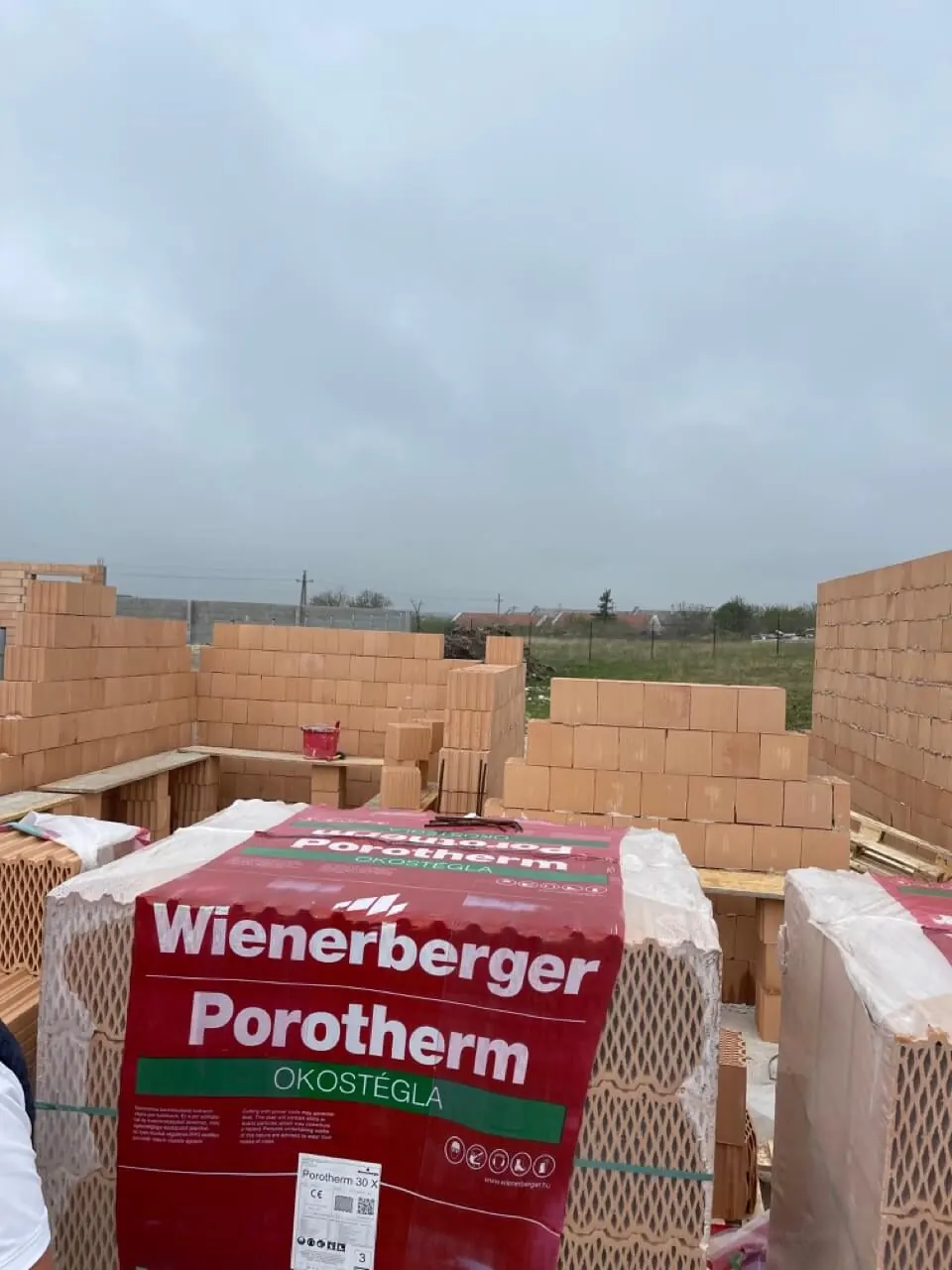
SIP Panel vs Brick vs Ytong: Which to Build With?
Brick, Ytong or SIP panel? 16 criteria, real numbers and a summary table – honestly, including where masonry still wins.
Read more →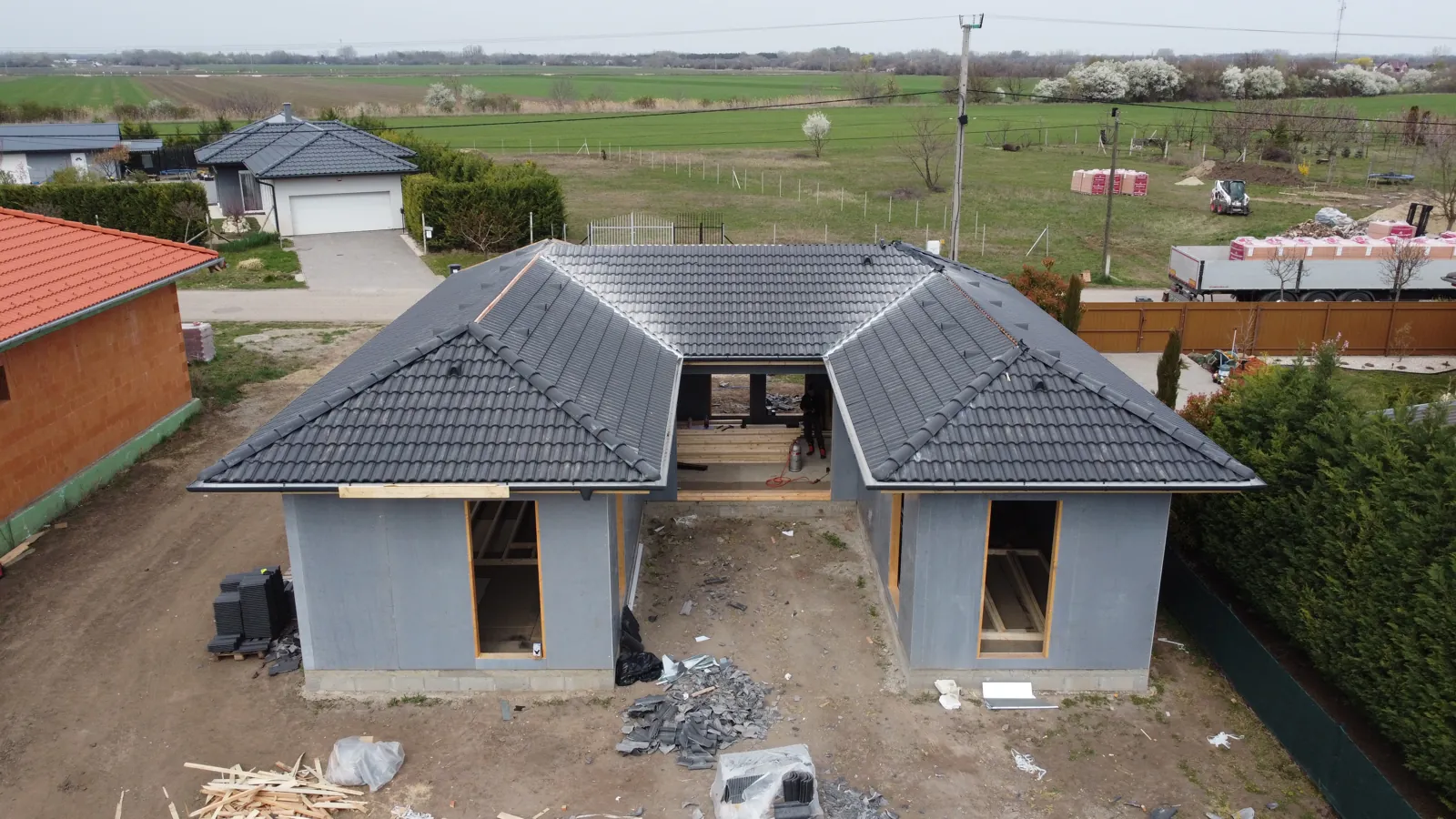
What Does a Turnkey Price Include? Itemised List
The word "turnkey" means something different at every company. We list item by item what our turnkey price includes – and, separately, what it does not.
Read more →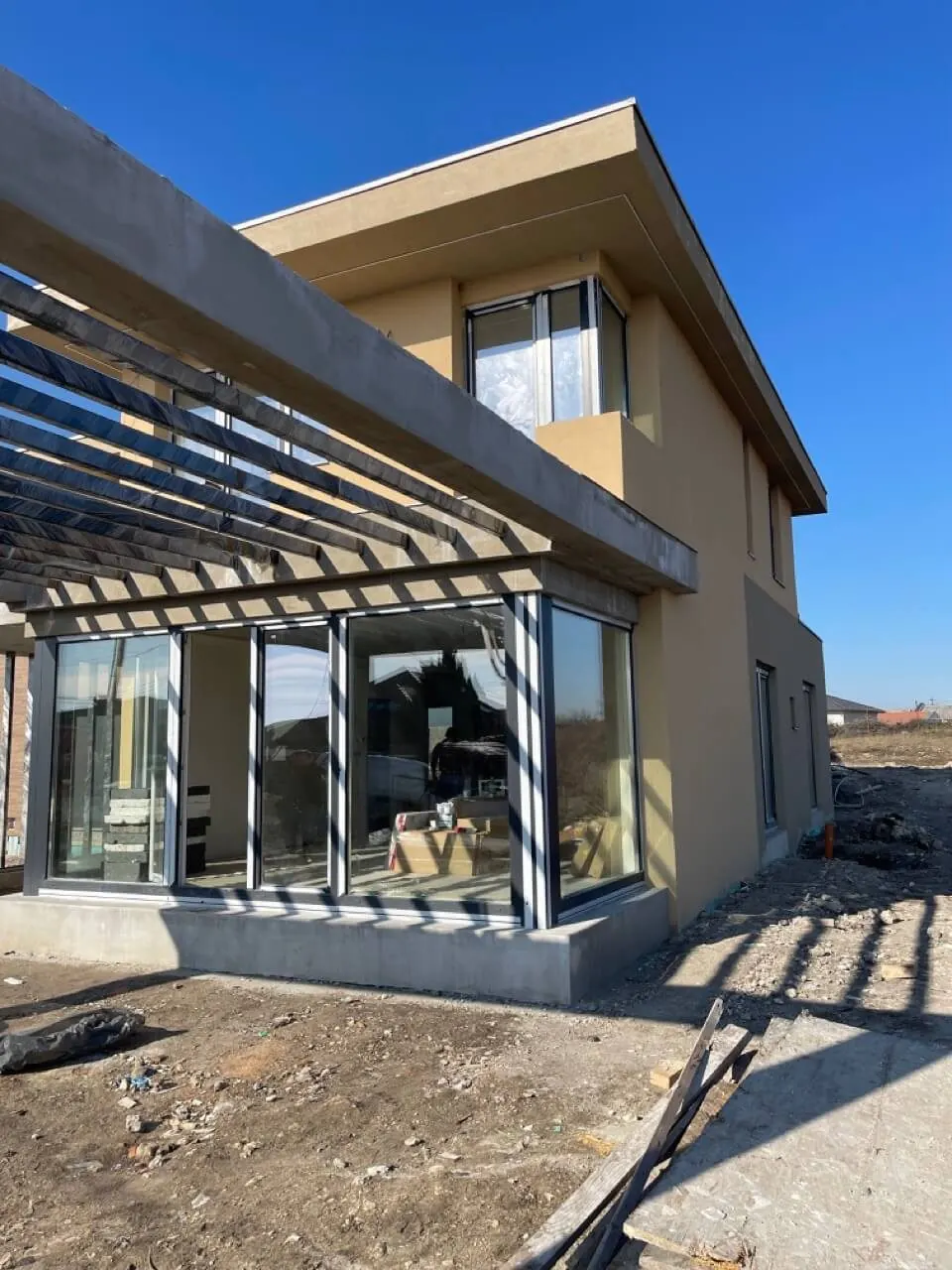
House Building in 2026: Lifestyle, Not Just Walls
In 2026 the question is no longer how many square metres the living room will be, but what the energy bills will look like in five years. You are not building a house. You are building a way of life.
Read more →