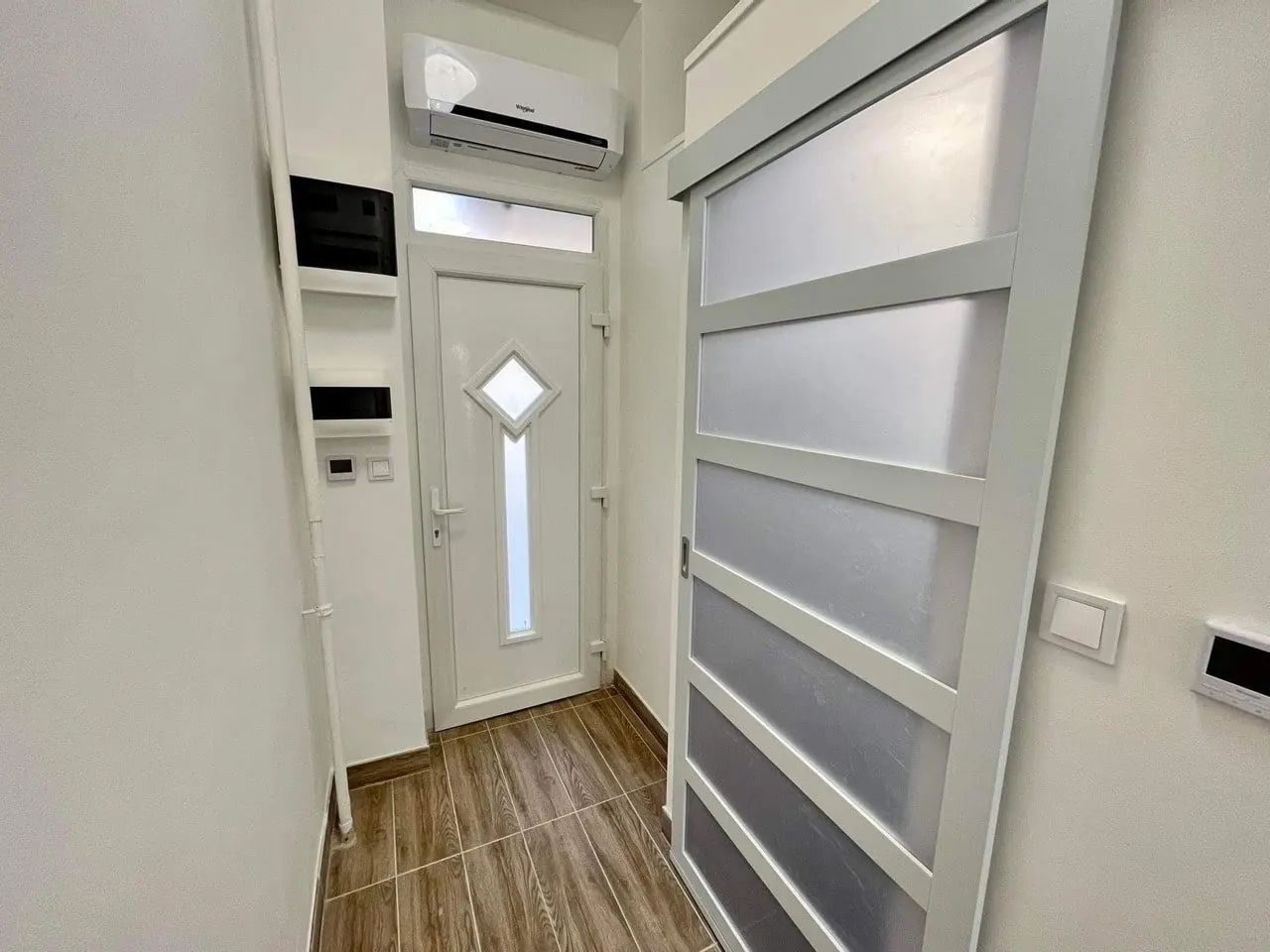
Renovating a Flat in an Apartment Building: Rules, Neighbours, Building Manager
A Budapest apartment renovation does not start at the front door. What lies beyond the wall (risers, main walls, facade, stairwell) belongs to the building. What has to be arranged before the first hammer blow?
Most Budapest apartments are in an apartment building (a condominium), and here a renovation is always a community matter too. The neighbour hears the chiselling, the lift carries the rubble, and the building manager (közös képviselő) finds out once a complaint has already come in. It can be done better.
Key takeaways
- Non-structural work inside the apartment usually needs no permission, but it is worth notifying the building manager in advance.
- Work affecting a main wall, a floor slab, a riser (the shared vertical pipe) or the facade needs the consent of the building's owners' association.
- A load-bearing wall may be removed or broken through only with a structural engineer's report and consent.
- The hours for noisy work are set by the house rules and the district regulations, and they have to be built into the schedule as well.
- A skip standing on public land needs a public space use permit from the district.
What belongs to the apartment and what belongs to the building?
The Condominium Act (Act CXXXIII of 2003) and the deed of foundation define what is separate property and what is common. Roughly: what is inside the apartment and serves only the apartment is yours. What is part of the building's structure or serves several apartments is common, even if it passes through your apartment.
| Work | Is the building's consent typically needed? | Note |
|---|---|---|
| Painting, tiling and flooring, kitchen replacement | No | Notification recommended because of the noise |
| Removing a non-load-bearing partition wall | Usually not | First check that it really is non-load-bearing |
| Removing or breaking through a load-bearing wall | Yes | A structural engineer's report is required |
| Riser replacement (water, drainage, gas riser) | Yes | May be a matter of shared cost and a joint decision |
| Window replacement | Often yes | Facade appearance, glazing pattern, colour |
| Outdoor air conditioning unit on the facade | Yes | In the inner districts heritage protection may also be a factor |
| Moving or replacing a gas appliance | Design and acceptance with the gas supplier | May only be carried out by an authorised specialist |
The table is for guidance only: the deed of foundation, the organisational and operating rules and the house rules of the building in question always decide.
Load-bearing walls: no "we'll sort it out" here
Both in the old Budapest tenement buildings and in panel blocks, a common request is for the kitchen to open into the living room. Removing a partition wall is a simple job. Removing a load-bearing wall is not: it needs a structural engineer's report, a lintel structure and the consent of the building's owners' association. In panel blocks, breaking through a load-bearing panel is in many cases not permitted at all.
If the survey shows that the open-plan space you have in mind depends on a load-bearing wall, it is worth knowing that at the start of the planning, not in the middle of the demolition.
Risers: the biggest hidden risk
In a building that is 50–100 years old, the rising water pipes and the drainage stacks are often the parts of the apartment in the worst condition. If the riser is not replaced when the bathroom is renovated, years later that same riser replacement will break up the fresh tiling.
It is worth talking to the building manager at the planning stage: is the building planning to replace the risers, and if not, can your own section be replaced professionally together with your renovation?
Noise, stairwell, skip
- Hours for noisy work: set by the house rules and the district regulation; typically limited to daytime on weekdays, with stricter limits at weekends. Demolition and chasing have to be scheduled around this.
- Stairwell and lift: protective sheeting, a protective lining for the lift, daily cleaning. If the contractor does not take this on, the neighbours will hold you to account for it.
- Rubble removal: a skip placed in the street needs a public space use permit from the district. In the city centre, removal in bags may also be an option.
- Notifying the neighbours: a short notice on display, giving the dates of the work and the contact person's phone number, is worth more than any apology.
A renovation in an apartment building is a success if, at the end, you are not the only one happy with the new apartment, and the neighbour does not avoid you in the stairwell either.
How does TeleHome help with this?
In our Budapest apartment renovations we check at the survey which works affect common property, and we mark them separately in the cost estimate. We liaise with the building manager, protect the stairwell and remove the rubble with a permit. With us, water and drainage plumbing and demolition are in one pair of hands, so the riser and the wall are not a dispute between two different companies. Request a survey. We work in all 23 districts of Budapest.
Frequently asked questions
Do I have to notify the building manager of my apartment renovation?
If only non-structural work inside the apartment is being done, there is usually no legal obligation, but the house rules may require it. For work affecting common property (main wall, riser, facade) consent is mandatory.
Can I take out the wall between the kitchen and the living room?
If it is a partition wall, usually yes. If it is load-bearing, only with a structural engineer's report, a suitable lintel and the consent of the building's owners' association. In panel blocks, breaking through load-bearing walls is often not permitted.
Who pays for replacing the riser?
The riser is common property, so as a general rule replacing it is the building's cost. In practice many buildings make an individual agreement when the replacement is prompted by the renovation of one apartment. It is worth recording this in writing in advance.
Request a no-obligation quote
On-site survey, itemised cost estimate, fixed deadline and warranty – we reply within 1 business day.
- Reply within 1 business day
- Itemised cost estimate
- Fixed price, fixed deadline, warranty
Related articles
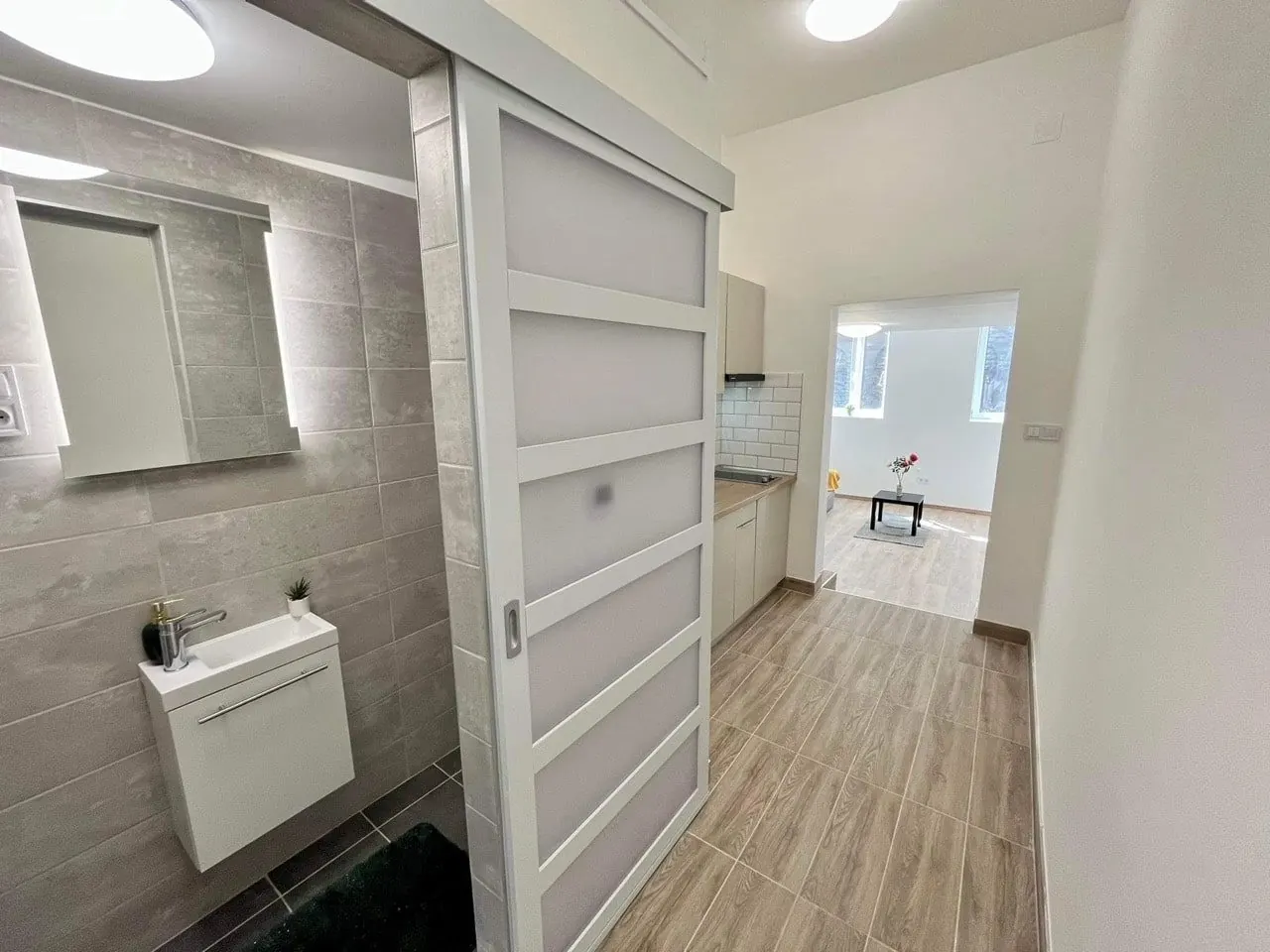
Choosing a Renovation Company in Budapest: 12 Questions Before You Sign
The cheapest quote is rarely the cheapest renovation. Twelve questions worth putting to every apartment renovation company before you sign the contract.
Read more →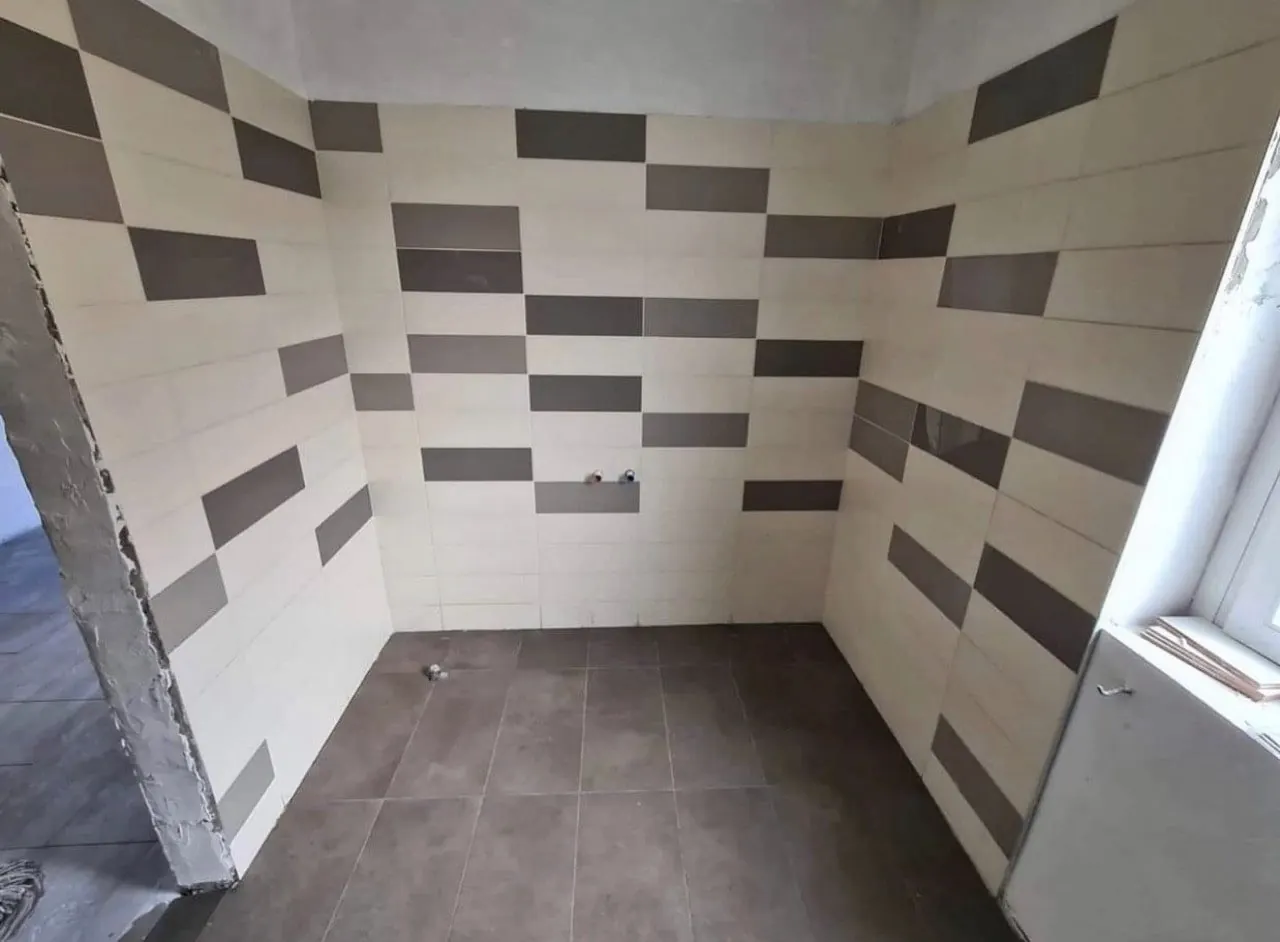
A Full Apartment Renovation, Week by Week
‘When can we move back in?’ The answer depends not on the tiler but on the sequence and the drying times. This is how a full apartment renovation progresses week by week.
Read more →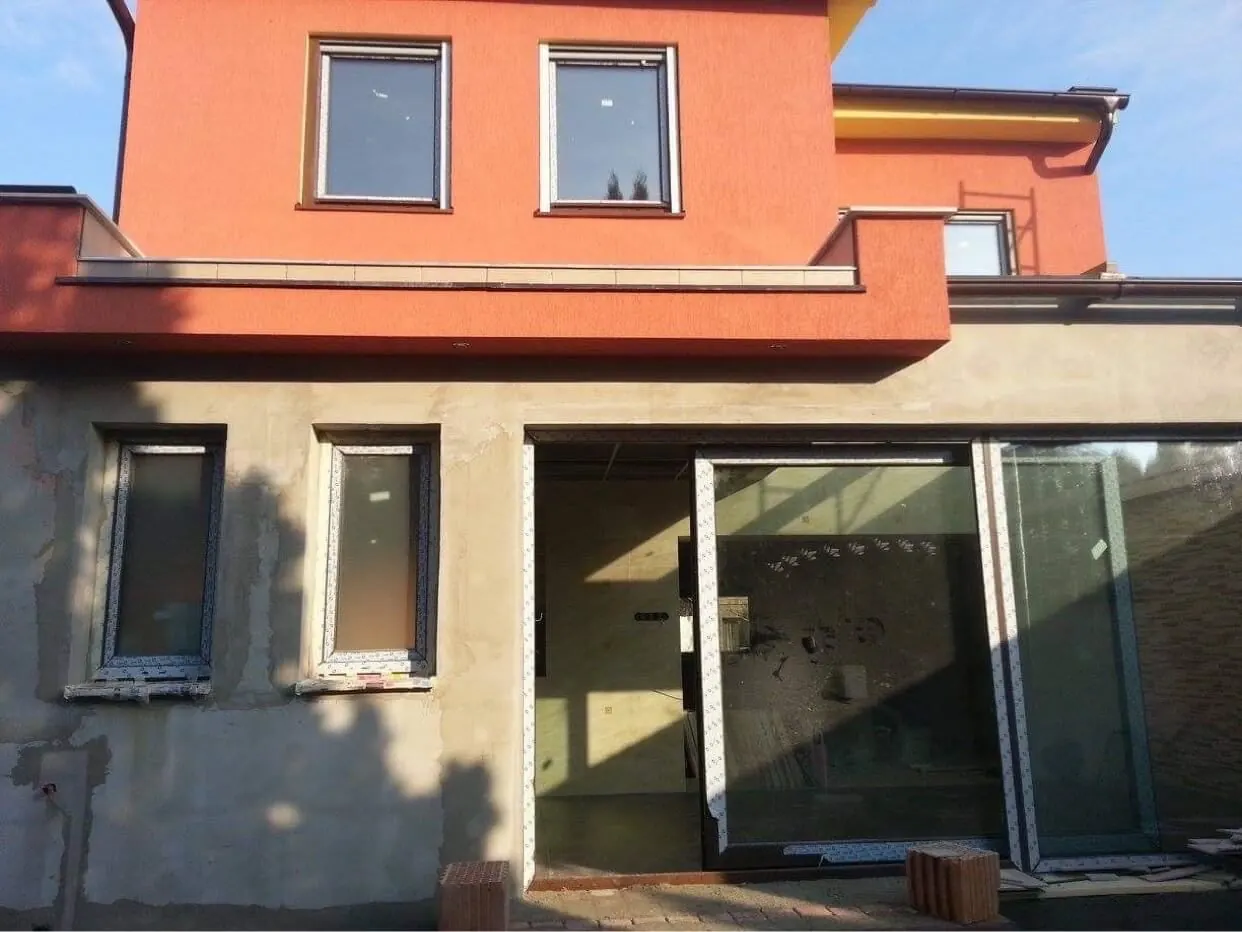
Renovating a Cube House: What Is the Right Order?
The cube house is the most typical house of the commuter belt and Budapest's garden suburbs. It is good raw material, if the renovation starts at the right end. What should come first, and why is it not the kitchen?
Read more →