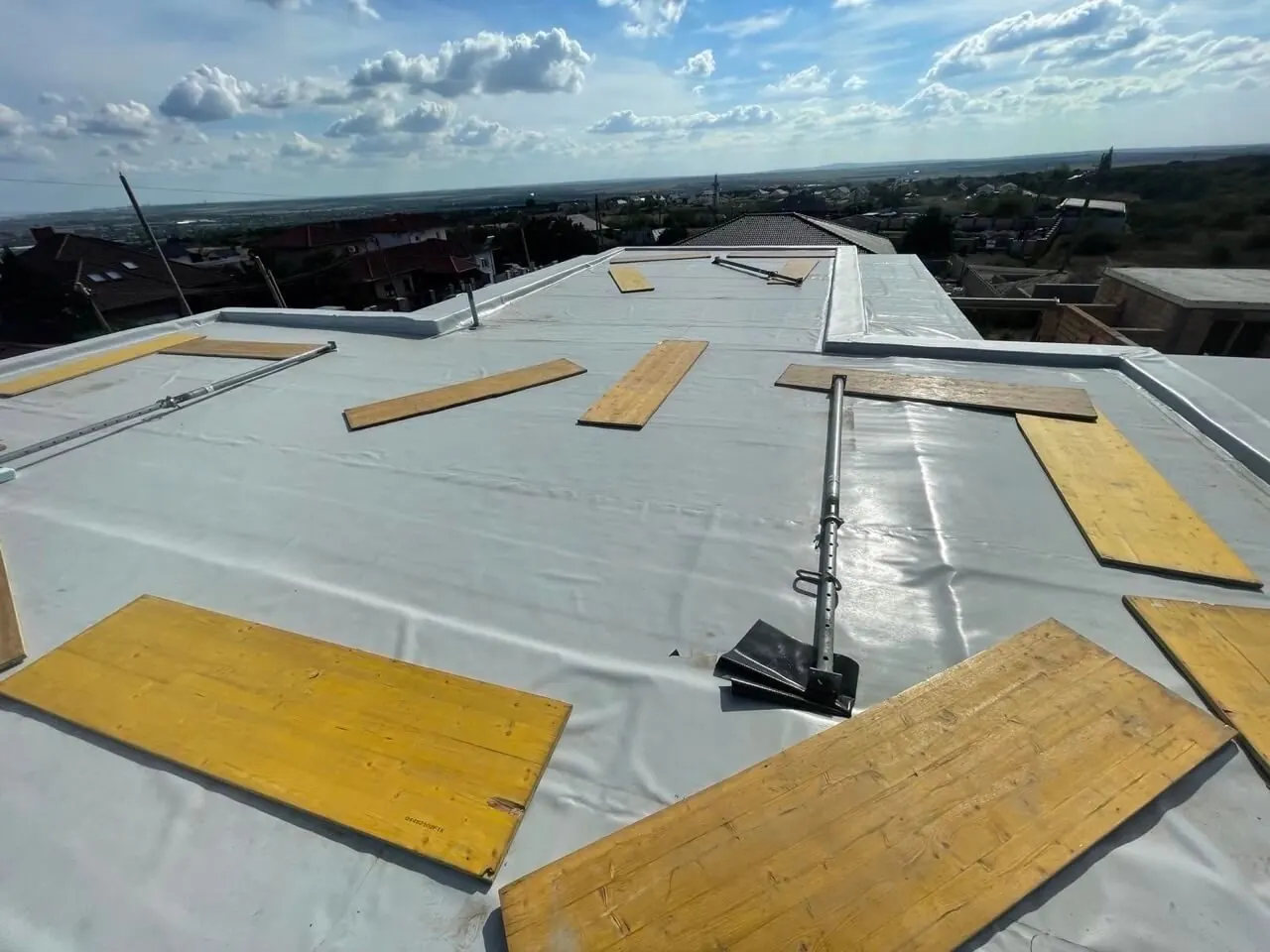
Roof Renovation: Re-Roofing or Full Roof Replacement?
The roof is leaking – but what should be done about it? Replacing a few tiles, a new roof covering or a full roof replacement? The answer is decided at the rafters, not at the tiles.
The roof is the least seen but hardest-working structure of a house. On a 40–60-year-old family house the tiles are often still in acceptable condition, yet there is no roofing membrane beneath them, the battens have aged and the flashing is rusty. At other times the tiles look bad, although only a few slipped tiles are causing the leak.
Key takeaways
- Roof renovation has four levels: repair, re-laying, re-roofing and full roof replacement.
- The key to the decision is the condition of the roof structure: rot, insect damage, sagging.
- If the roof has no underlay membrane, one should definitely be installed when the tiles are re-laid or replaced.
- The roof is renovated before the interior work and the thermal insulation of the loft.
- If a loft conversion may be on the cards later, that has to be decided when the roof renovation is planned.
The four levels of roof renovation
| Intervention | When is it enough? | What is done | Typical duration (family house) |
|---|---|---|---|
| Repair | A few damaged tiles, a localised leak, sound membrane and battens | Tile replacement, flashing repairs, flashings around the chimney | 1–3 days |
| Re-laying | Good tiles, but no membrane or poor battens | Tiles off, new membrane, counter battens, battens, tiles back on (with replacements) | 1–2 weeks |
| Re-roofing | Aged, crumbling, frost-damaged tiles; sound structure | New tiles or sheet metal, membrane, battens, flashing | 1–3 weeks |
| Full roof replacement | Rotten, insect-damaged or sagging structure; loft conversion | New roof structure, roof covering, flashing, often new ceiling slab insulation | 3–6 weeks |
What should the survey look at on the roof?
- Rafters, purlins: rot (especially above the masonry and beside the chimneys), insect damage, sagging.
- Membrane and battens: whether there is an underlay membrane, whether the battens are crumbling, whether the batten spacing is correct.
- Tiles: frost damage, crumbling, moss growth, slipped or missing tiles.
- Flashing and guttering: the condition of the gutters, downpipes, chimney flashing and valleys – a significant share of leaks start here.
- Ventilation: moisture trapped under the roof condenses in winter and damages the timber structure.
A great deal can be seen from the loft with a torch. If there is any doubt about the load-bearing capacity of the structure, however, a structural engineer should give an opinion, especially if the renovation involves a heavier roof covering or a loft conversion.
The tiles are the roof's coat. If the skeleton is ill, it is not the coat that needs replacing.
Roof and thermal insulation: two separate decisions
If the loft remains a cold space, the thermal insulation goes onto the loft floor slab – this is cheaper and effective. If the loft is converted, the insulation goes into the plane of the roof, between and beneath the rafters, with a vapour control layer. This decision determines the type of roofing membrane and the design of the ventilation, so it has to be made before the roof renovation.
We wrote in detail about facade and ceiling slab insulation in our article on insulating a family house.
Permits and timing
Replacing the existing roof covering with the same shape and height does not generally require a building permit. If, however, the shape, height or pitch of the roof changes, if a loft conversion is being built, or if the house stands in a protected area, the local rules must be checked with a designer.
Roof renovation calls for dry weather. The best periods are late spring and early autumn; the work has to be scheduled so that the house is not left uncovered for a single night.
Roof renovation with TeleHome
We take on the roof as part of a house renovation or as a stand-alone job in Budapest and Pest county. During the survey we look at everything from the loft to the flashing, and show in an itemised cost estimate which level is justified. After the roof, the interior work, the building services and the insulation can continue with the same team, in a single schedule. Ask for a survey.
Frequently asked questions
How do I know whether replacing the tiles is enough?
If the roof structure is sound – no rot, insect damage or sagging – re-roofing or re-laying is enough. If the rafters are damaged, the whole roof structure needs to be renovated or replaced.
Can the old roof tiles be reused?
Yes, if they are not frost-damaged or crumbling and the missing quantity can be made up. Even then, a new underlay membrane and new battens go onto the roof when the tiles are re-laid.
Is a permit needed for a roof renovation?
Generally not for replacing the roof covering with the same shape and height. If the shape or height of the roof changes, for a loft conversion and in a protected area, the local rules must be checked with a designer.
Request a no-obligation quote
On-site survey, itemised cost estimate, fixed deadline and warranty – we reply within 1 business day.
- Reply within 1 business day
- Itemised cost estimate
- Fixed price, fixed deadline, warranty
Related articles
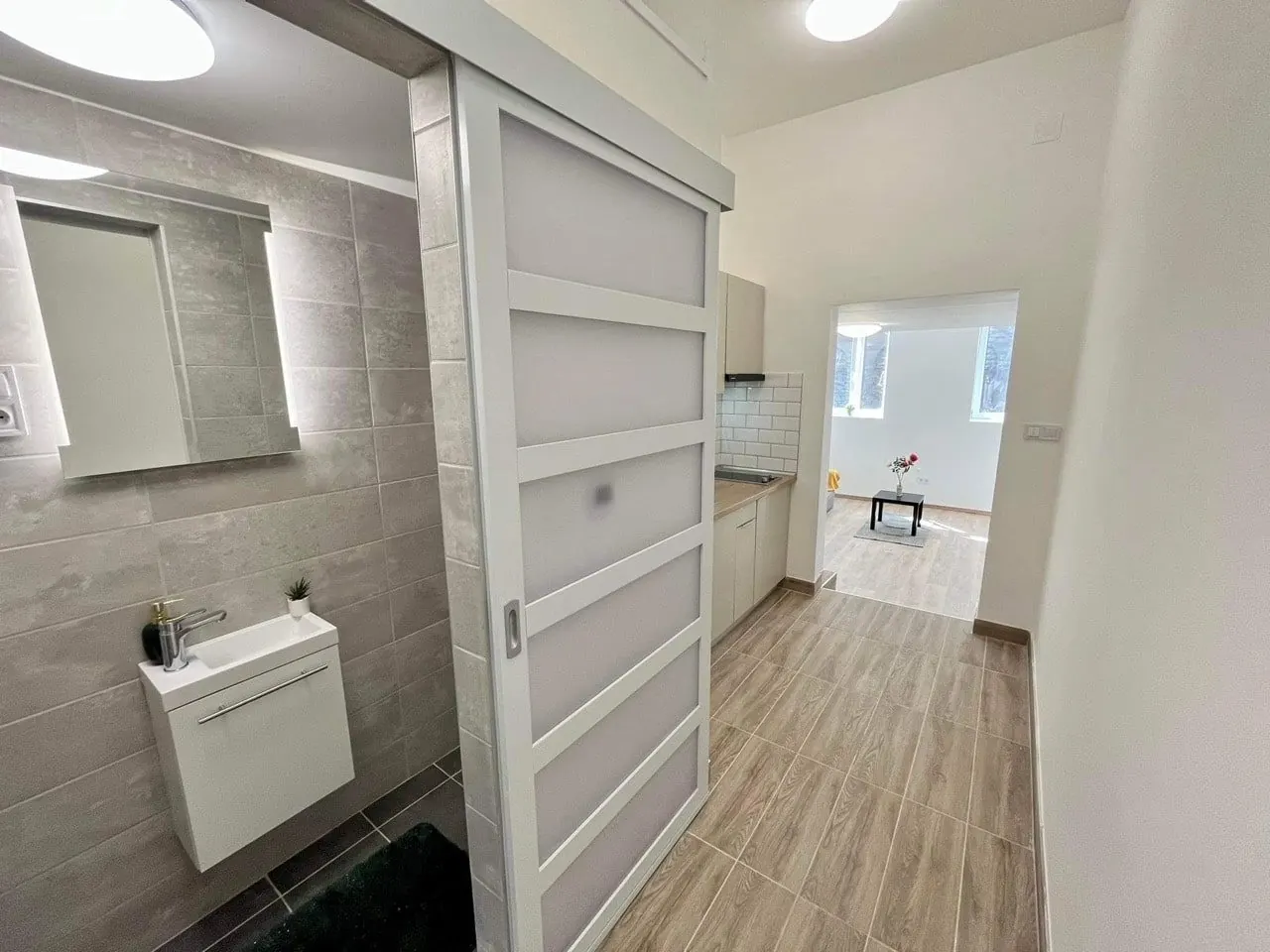
Choosing a Renovation Company in Budapest: 12 Questions Before You Sign
The cheapest quote is rarely the cheapest renovation. Twelve questions worth putting to every apartment renovation company before you sign the contract.
Read more →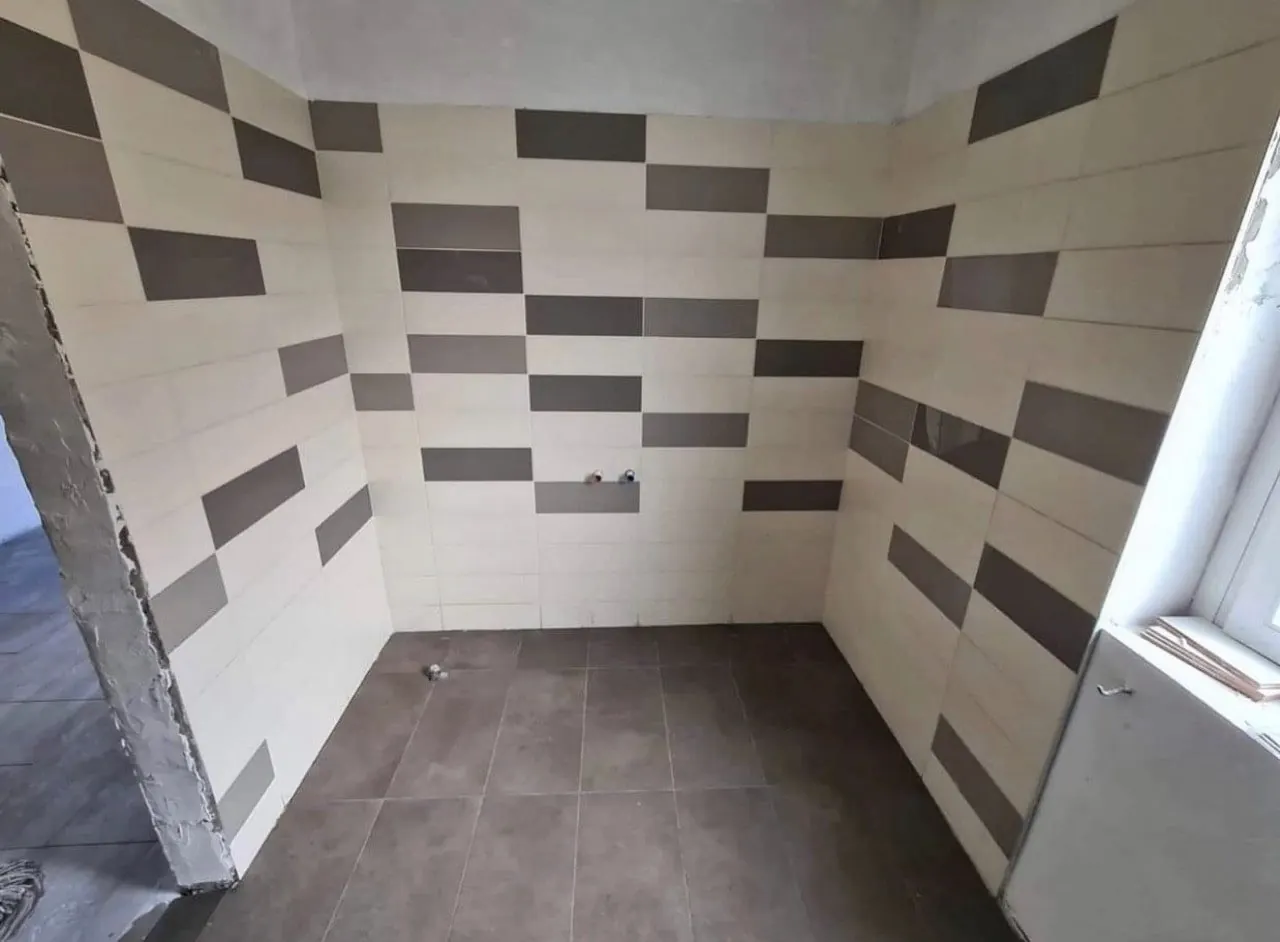
A Full Apartment Renovation, Week by Week
‘When can we move back in?’ The answer depends not on the tiler but on the sequence and the drying times. This is how a full apartment renovation progresses week by week.
Read more →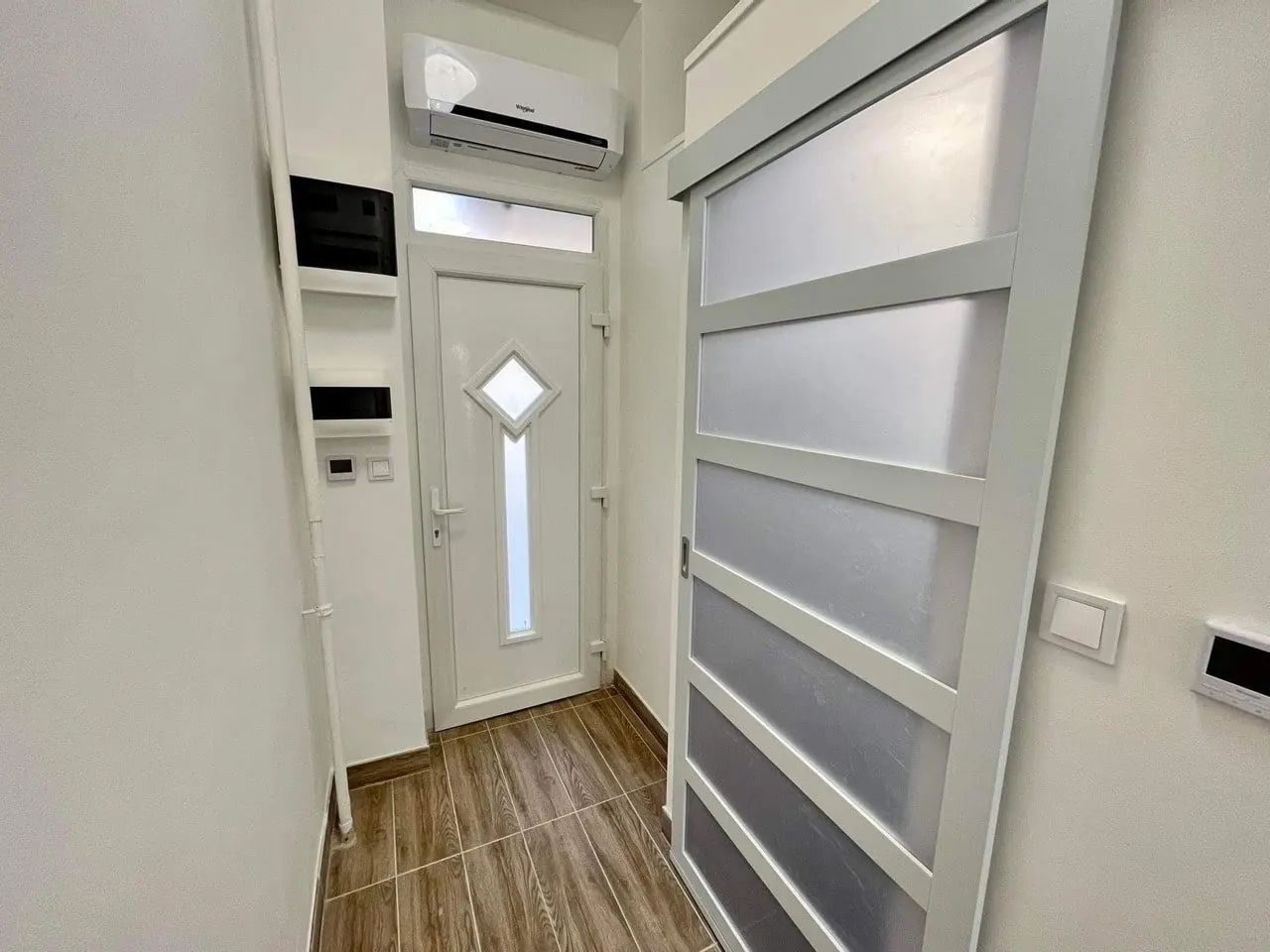
Renovating a Flat in an Apartment Building: Rules, Neighbours, Building Manager
A Budapest apartment renovation does not start at the front door. What lies beyond the wall (risers, main walls, facade, stairwell) belongs to the building. What has to be arranged before the first hammer blow?
Read more →