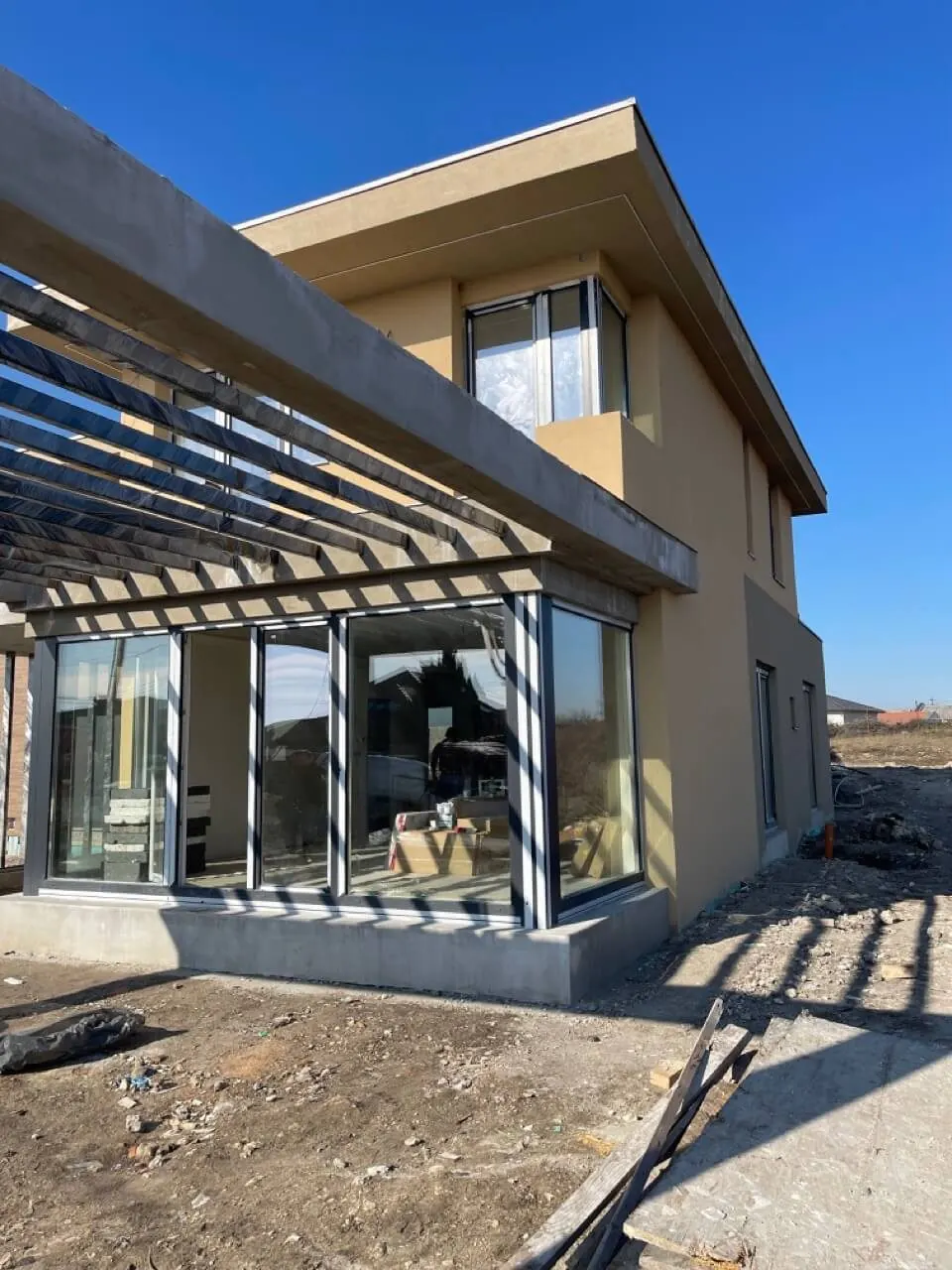
House Building in 2026: Lifestyle, Not Just Walls
In 2026 the question is no longer how many square metres the living room will be, but what the energy bills will look like in five years. You are not building a house. You are building a way of life.
There was a time when building a house was a fairly simple formula. You needed a plot, a good bricklayer, a few pallets of bricks and a roof, and the house was done. At least on paper.
In 2026, people planning their own home ask very different questions. Not how many square metres the living room will have, but what the energy bills will be in five years. Not what colour the facade will be, but whether the house is ready for solar panels, how the heating will work, and whether a smart home controlled from a phone will genuinely make everyday life more comfortable.
The foundations of a house today are no longer just concrete and brick. A well-planned home is not good because it gets finished. It is good because ten years later it is still a pleasure to live in.
Key takeaways
- The real planning of a house starts long before the excavator arrives, with the energy and services decisions.
- Masonry, rendering and insulation remain some of the fastest-paying investments: invisible, but present on every monthly bill.
- Roofing, flashing and windows are good when you don't have to think about them for decades.
- Smart home, air conditioning and solar are no longer luxuries; at minimum, prepare for them during construction.
- Flooring, joinery, metalwork, the terrace and the garden are the details you meet every single day.
Building starts at the foundations, but continues into the future
For most people the first visible step is the groundwork. Machines arrive, the slab is poured, and the building slowly takes shape. But the real planning begins much earlier.
The cost of foundations matters, as does the budget for the whole family home, but today it is just as important to think ahead about energy efficiency, mechanical systems and future extensions. An experienced builder around Budapest no longer just puts up walls; they help shape a structure that has to perform for decades.
A successful family home doesn't start when the first concrete mixer arrives. It starts much earlier, with the decisions: what energy standard you want to reach, how the house will behave in winter and summer, and how well it can adapt to a changing family. That is why we believe house building should begin with these questions already at the technology choice, whether that is brick or YTONG masonry or SIP panels.
Masonry, rendering and insulation are still among the best investments
Technology changes, but some things don't. Good masonry, precise rendering and proper insulation remain some of the most important parts of a new home. While many people chase the newest smart devices, they often forget that the biggest savings still lie in good thermal protection.
An insulation specialist's work is not glamorous. You can't post it, it won't go viral, and guests won't gasp at it. But the house will be warm in winter and cool in summer, and that shows up on the bills every month. The price of insulation can look like a big line item at first, yet in most cases it is one of the fastest-returning investments you can make.
The same applies to interior surfaces. Carefully built walls, precise skim coating and quality painting create the base on which the whole interior is later built. That is why the cheapest plastering quote is not always the best decision: you will look at those walls every single day, and staring at a badly finished surface for years is far more expensive than doing it well once.
A roof is not just a roof
Many people see the roof simply as the lid on the building, but a well-functioning roof structure is much more than that. Proper drainage, protection against rain and long-term durability all depend on how well the roofer and the sheet-metal specialist work together.
Quality flashing and gutters aren't just aesthetic; they protect the building from the weather. This is the kind of area people usually only notice when something has already failed. The beauty of good workmanship is precisely that you never notice it: a roof that works needs no attention for decades. Get it wrong, and the repair can quickly cost many times what was originally saved.
Windows build silence too
Most people think about windows because of thermal insulation, but in a modern home sound insulation matters just as much. The right windows and doors don't only save energy; they significantly raise the comfort of the home.
This is especially true in an urban setting, where a well-insulated front door counts for far more than you would first think. Silence is as much a part of the home experience as the right temperature or well-chosen lighting. Many people only realise this after moving in, when the neighbour's dog, the traffic or the street noise becomes a daily companion.
A smart home is no longer a luxury
A few years ago a smart home system was still a futuristic novelty. Today it is getting close to standard equipment in more and more new builds, and it often means more than mere convenience.
Lighting control, automated shading, heating regulation or integrated security all help the home run more comfortably and more economically. In many cases it is worth preparing these systems during construction, with conduits, a suitable distribution board and network points, even if the full installation only comes later.
The home of the future is not necessarily more spectacular. It simply works smarter.
Air conditioning, solar and modern heating: how tomorrow's home is built
Energy efficiency is one of the most important questions in house building today. Modern air conditioning units are no longer just for cooling; with proper planning they can be part of the entire heating system. That is why professional installation and correct connection matter as much as choosing the unit itself.
The same goes for solar systems. The installation may seem a significant investment at first glance, but over the long term it can produce serious savings. For a new house it is now an almost natural question whether solar panels can be added later, even if the system doesn't go on the roof in the first year.
In homes that genuinely work well, insulation, mechanical systems, heating and energy generation form one system. That way of thinking increasingly defines modern house building.
What is worth preparing during construction?
| System | What preparation means | Why it pays now |
|---|---|---|
| Solar panels | Cable route, space for the inverter, roof structure sized for the load | No walls or roof to open up later |
| Air conditioning / heat pump | Outdoor unit location, refrigerant lines, condensate drain | No visible piping on the facade |
| Smart home | Conduits, central distribution board, network points | Expandable without demolition |
| Shading | Shutter boxes, wiring for motorised blinds | Summer heat protection by design, not as an afterthought |
Tiling, flooring and the details you meet every day
We rarely look at a house's structure. We look at its surfaces every day. That is why quality tiling matters so much, whether in the bathroom, the living room or on the terrace. Tiling prices are an important consideration, but here too, price alone shouldn't decide.
The atmosphere of interior spaces is strongly shaped by the flooring. Professionally laid parquet defines the comfort and look of a room for many years. A badly laid floor will catch your eye daily, while a well-made surface simply becomes a natural part of the home. Good flooring is like a good supporting actor: it doesn't want to steal the show, but without it the show doesn't work.
Joinery and metalwork are good when you don't notice them
Few trades are at once so important and so invisible. Well-made bespoke joinery is what makes a home truly personal: without built-in furniture, storage and custom solutions, even the most beautiful house can quickly become uncomfortable.
The same is true of metalwork. Gates, railings, structural elements and custom metal details often define a building's character. Good metalwork doesn't show off or seek the spotlight. It simply does its job for decades.
The terrace is now an extension of the living room
A terrace used to be a concrete slab next to the house. Today it plays a very different role: a well-designed outdoor space is where summer breakfasts, family dinners and weekend rest happen, so it is as much a part of the home as the living room or kitchen.
When choosing terrace ideas, take function as seriously as looks. Proper shading can improve summer comfort by several degrees while protecting the interior from overheating. Atmospheric garden lighting gives the whole setting a new character in the evening, and the paved path is one of those details nobody talks about yet everybody uses every day.
House building is not really about the building
At the end of a successful build there is, of course, a building. There will be walls, windows, floors and a roof overhead. Yet when we look back on the whole process years later, we rarely remember the masonry or the render.
We remember what it is like to sit out on the terrace with a coffee in the morning. That the temperature is pleasant in every corner of the house even in winter. That there is no need to worry about energy bills, and that the home adapts to everyday life.
In 2026 the foundations of a house are no longer just brick, concrete or roof tiles. They are about how you want to live for the next twenty or thirty years. Because in the end you are not building a house. You are building a way of life.
If you want your house to be born the same way, as one coherent system, ask us for a free consultation and quote. The TeleHome team takes the process from plot assessment to key handover in one pair of hands.
Frequently asked questions
When do I need to decide about solar panels and a smart home?
During the design stage. The actual devices can be added later, but cable routes, conduits and the positions of the inverter and outdoor units are cheapest to build in during construction. Doing it afterwards means demolition and visible wiring.
Is it worth spending more on insulation and windows?
In our experience, yes. These items pay you back on every monthly bill and directly define comfort. Fixing a poor window or incomplete insulation afterwards costs many times what could have been saved during construction.
Why does it matter that one contractor oversees the whole build?
Because insulation, services, roof, windows and interior finishes all build on one another. When each is done by a separate trade without coordination, nobody takes responsibility at the junctions, which is exactly where most defects are born.
Request a no-obligation quote
On-site survey, itemised cost estimate, fixed deadline and warranty – we reply within 1 business day.
- Reply within 1 business day
- Itemised cost estimate
- Fixed price, fixed deadline, warranty
Related articles
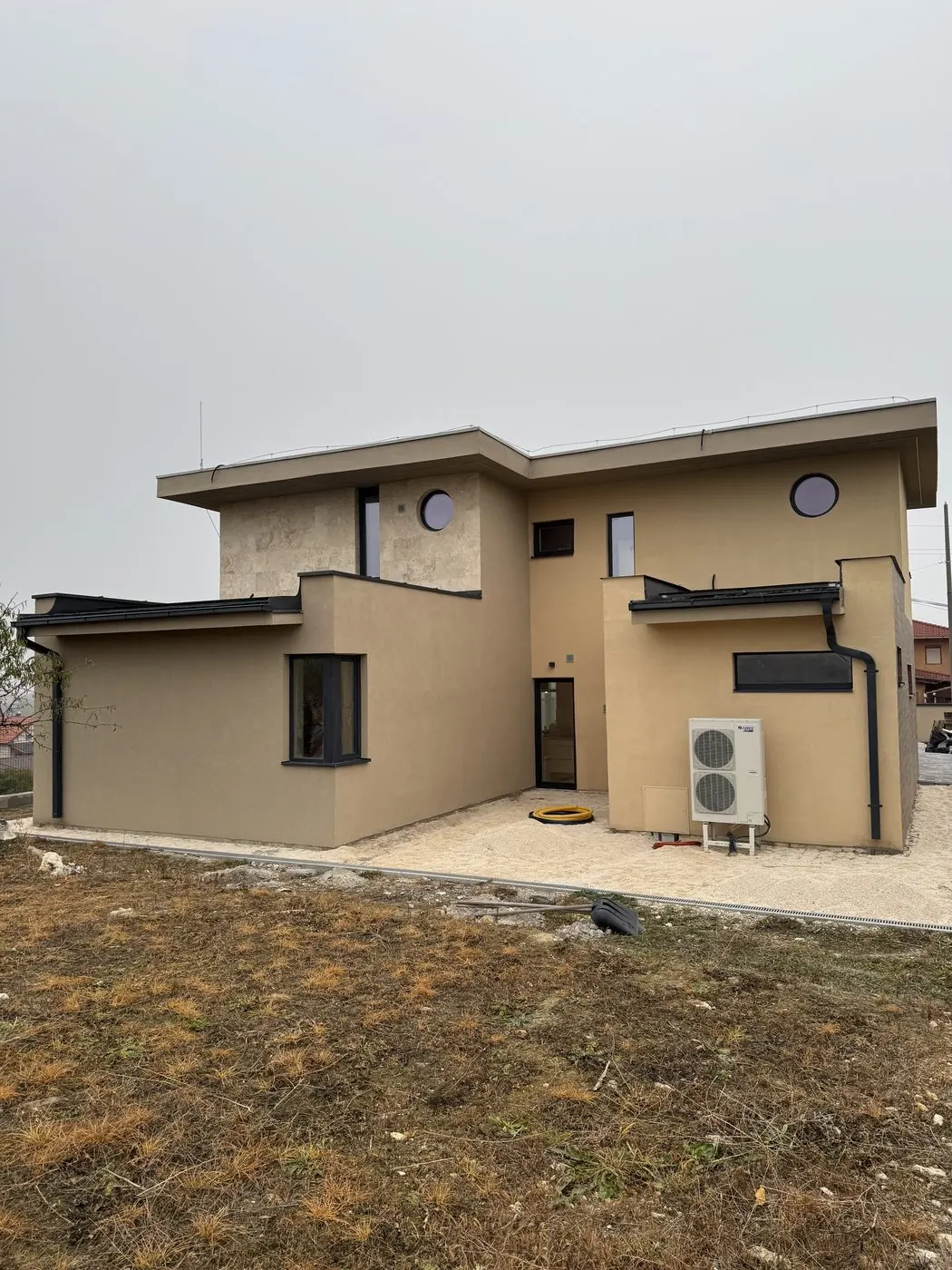
Wekerle Plus Home Loan – 3% and 5% Fixed: the Final Rules (as of 9 November 2026)
The decree is out: Hungary's Otthon Start scheme is being replaced by the Wekerle Plus loan.
Read more →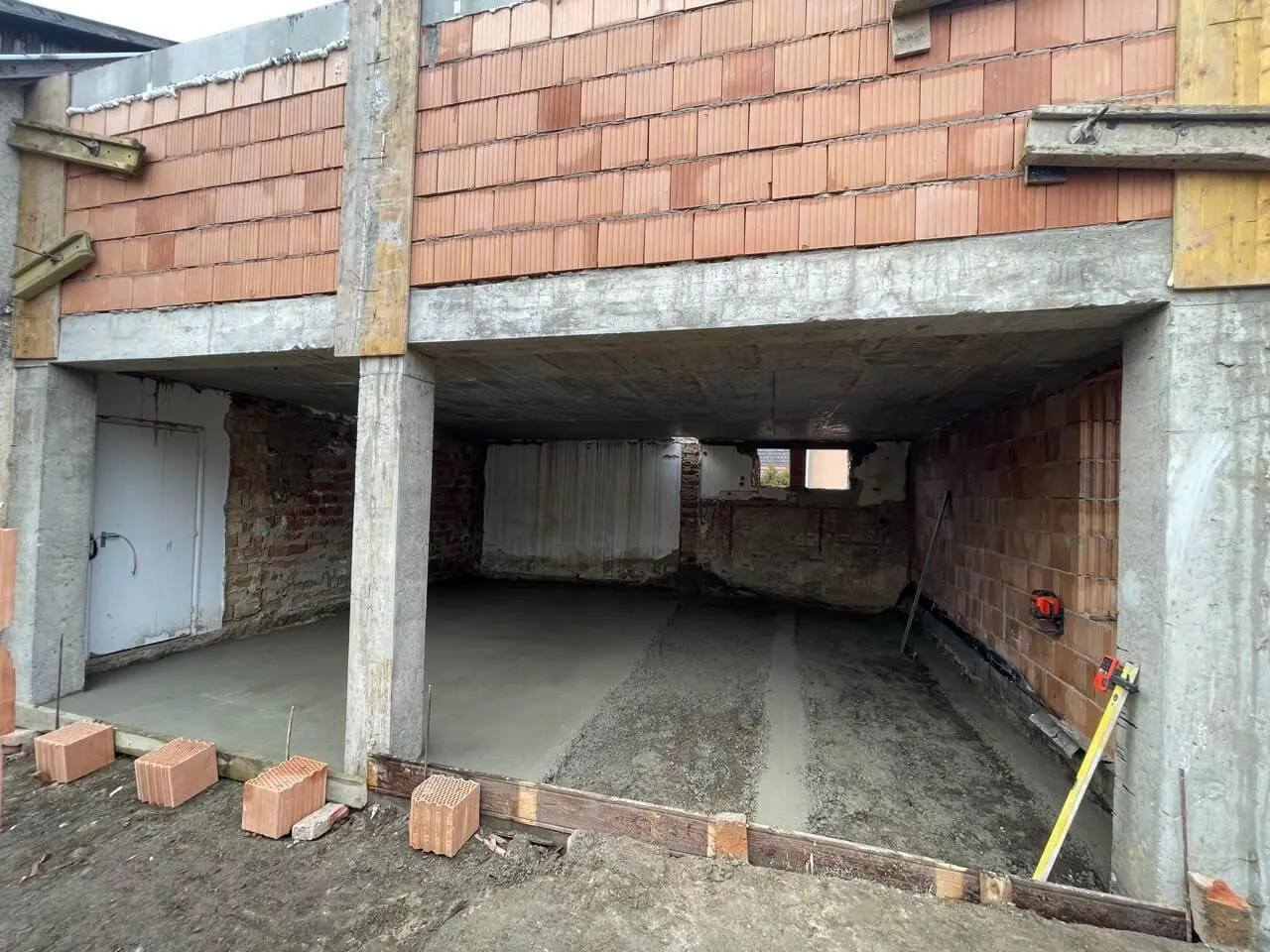
The Brick/YTONG House Building Process: From Foundations to Key Handover
A brick or YTONG house is completed in ten stages that build on one another, over 8–16 months. This is how the construction of a traditional family house proceeds from foundations to keys.
Read more →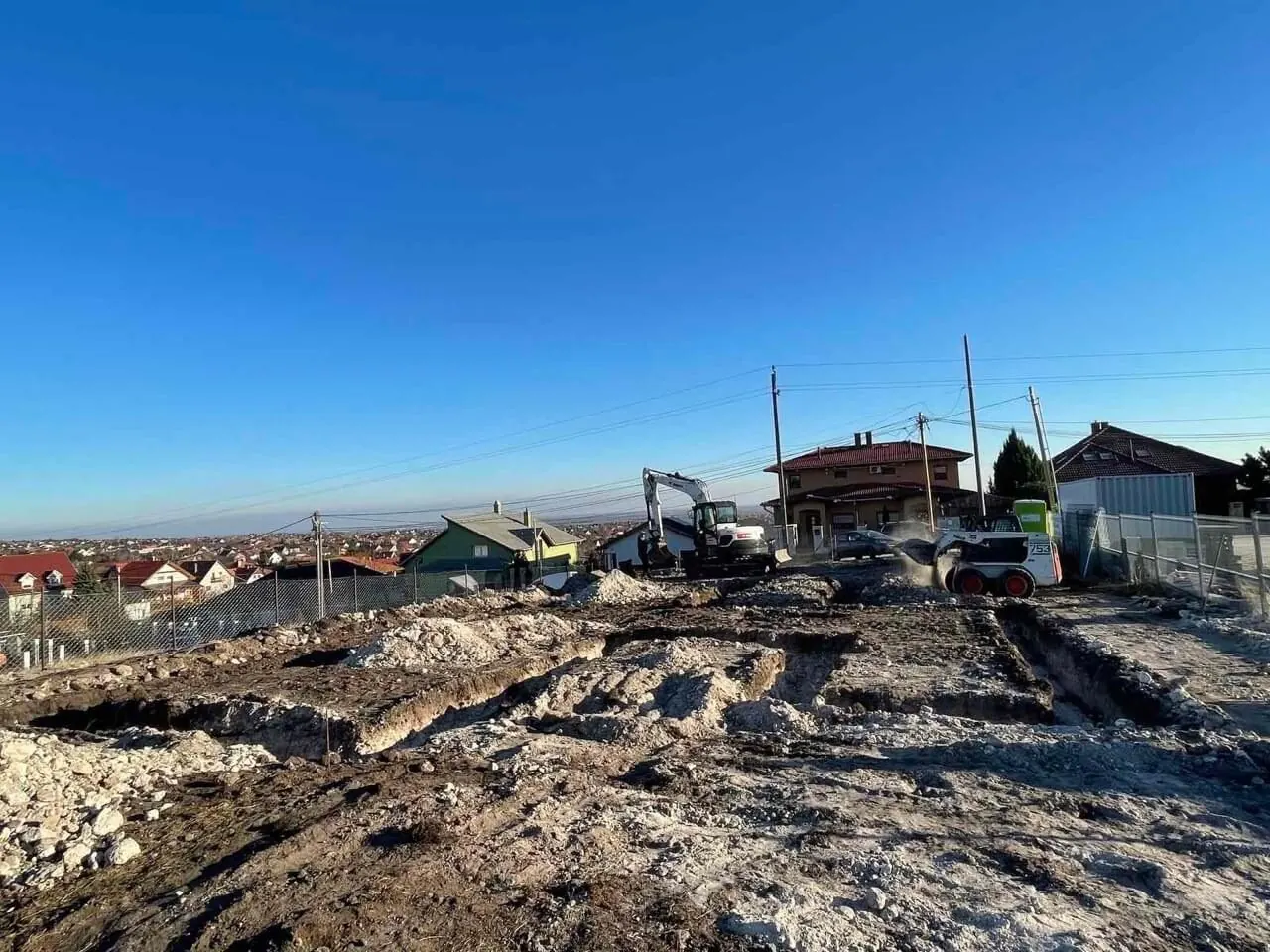
Buying a Plot for House Building: 10 Checks Before You Sign
The first and most expensive decision in house building is not the walling material but the plot. Ten checks before you sign – the cost and feasibility of the build depend on them.
Read more →