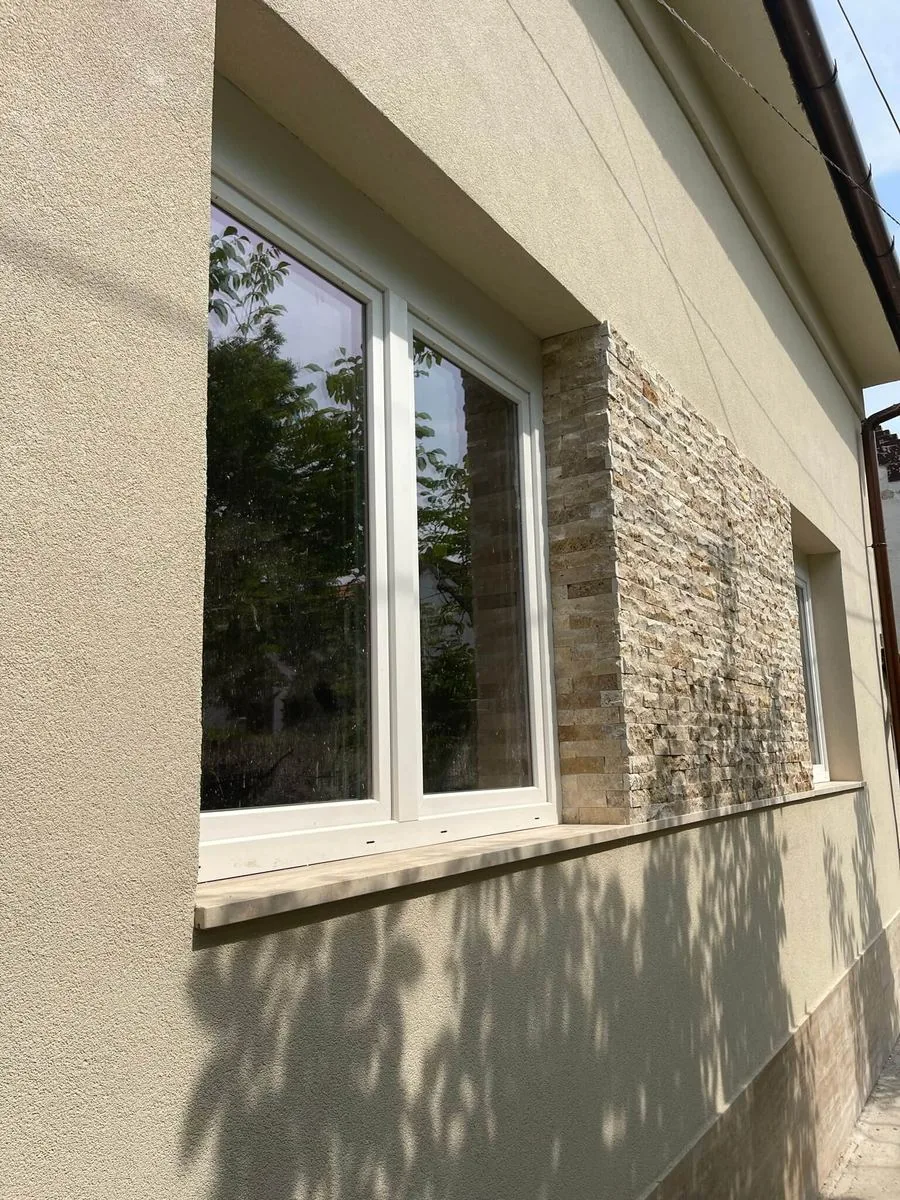
House Renovation: Windows and Insulation
uPVC, timber or aluminium windows and doors? EPS, rock wool or XPS? The two most important investments in a house renovation, explained clearly.
Renovating a house is not merely a question of looks – it is far more a long-term investment in preserving and increasing the value of our home. One of the most common and best-justified interventions is replacing the windows and doors and upgrading the facade insulation. These steps are not only important in energy terms: they improve comfort, reduce heating and cooling costs, and help increase the market value of the property.
Outdated solutions – what to say no to during a renovation
Many people still live in houses where:
- there are single-glazed, obsolete timber or steel windows and doors that are draughty and hard to close
- the insulation is either missing completely or outdated
- there is no shading
These cause not only energy losses, but also result in:
- mould
- thermal bridges
- noise pollution
- and a lack of comfort.
So one of the smartest first steps in an apartment or house renovation is replacing the windows and doors and insulating.
Replacing windows and doors – what, why and how?
Replacing the old windows and doors is one of the most visible and most effective parts of a renovation.
1. uPVC windows and doors
- Good value for money
- 5–7-chamber profiles
- Excellent thermal and sound insulation
- Maintenance-free
2. Timber windows and doors
- Natural feel, premium appearance
- Good thermal insulation, but needs regular care
- Environmentally friendly
3. Aluminium windows and doors
- Modern appearance
- Outstanding durability
- Mainly for large glazed surfaces and passive houses
What to look for when choosing
- Ug value (thermal transmittance of the glazing)
- Uw value (thermal transmittance of the whole unit)
- Sound insulation parameters
- Installation depth
- Quality hardware
- Integration of shading systems
Insulation – one of the highest-return investments in a house renovation
External thermal insulation is the alpha and omega of a building's energy efficiency. Well-executed facade insulation can cut heating costs by as much as 30–40%.
1. Graphite polystyrene (EPS)
- Excellent thermal insulation value
- Light weight, simple to apply
- Cost-effective
2. Rock wool
- Excellent vapour permeability and fire resistance
- Also beneficial for sound insulation
- Higher price, but longer lifespan
3. XPS (extruded polystyrene)
- For plinths and top-floor slabs
- With watertight properties
It is not only the walls that need insulating!
- Insulating the attic floor slab
- Plinth insulation
- Professionally detailed junctions where windows and doors are installed
Further points that are often forgotten in a house renovation
- Layer build-up: if the insulation is poor and there is no proper ventilation, mould will appear.
- Thermal-bridge-free installation: the window or door should be placed not in the middle of the wall but in the plane of the insulation.
- Preparing for shading: shutter box, motorised control, smart home integration
- Aesthetics: the exterior of the house is renewed and conveys value – this pays off at sale too.
To be truly effective and work in the long term, a renovation cannot begin any other way than with replacing the windows and doors and insulating. The right choice of materials, professional workmanship and a holistic approach ensure that our home is warm, quiet, healthy and energy-efficient.
If you are planning an apartment or house renovation, do not put these steps off – they bring the greatest return, both in comfort and financially.
Request a no-obligation quote
On-site survey, itemised cost estimate, fixed deadline and warranty – we reply within 1 business day.
- Reply within 1 business day
- Itemised cost estimate
- Fixed price, fixed deadline, warranty
Related articles
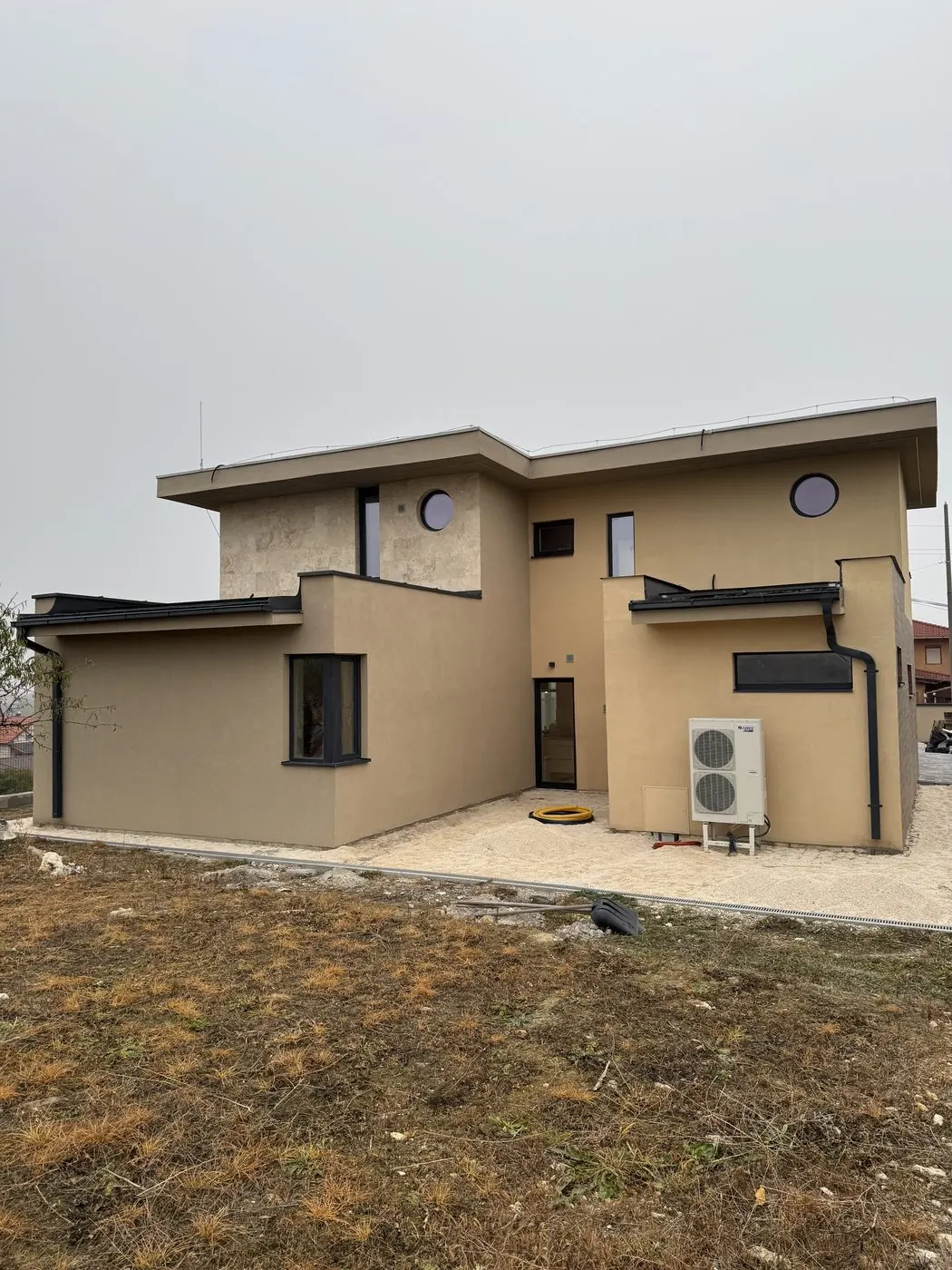
Wekerle Plus Home Loan – 3% and 5% Fixed: the Final Rules (as of 9 November 2026)
The decree is out: Hungary's Otthon Start scheme is being replaced by the Wekerle Plus loan.
Read more →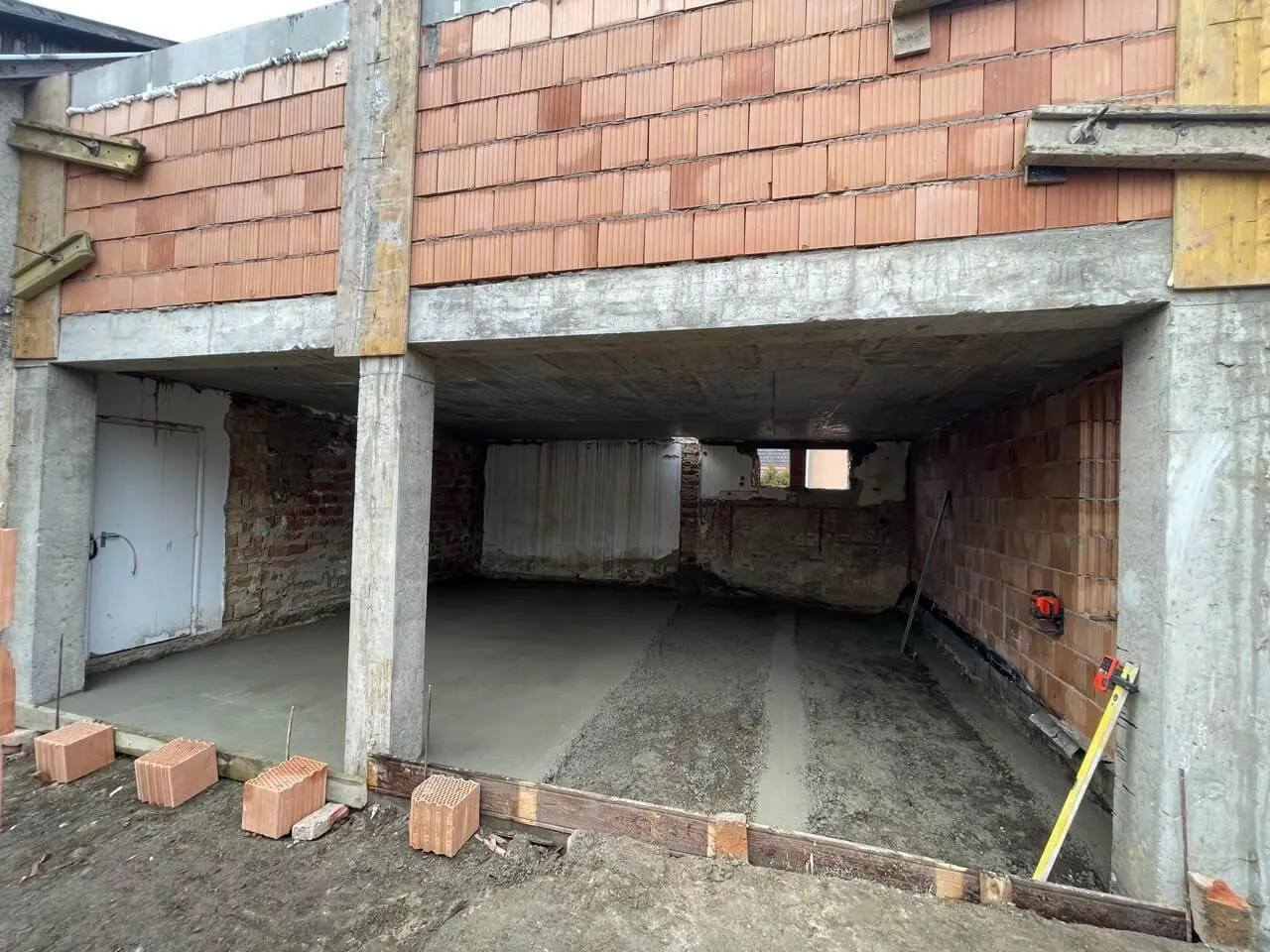
The Brick/YTONG House Building Process: From Foundations to Key Handover
A brick or YTONG house is completed in ten stages that build on one another, over 8–16 months. This is how the construction of a traditional family house proceeds from foundations to keys.
Read more →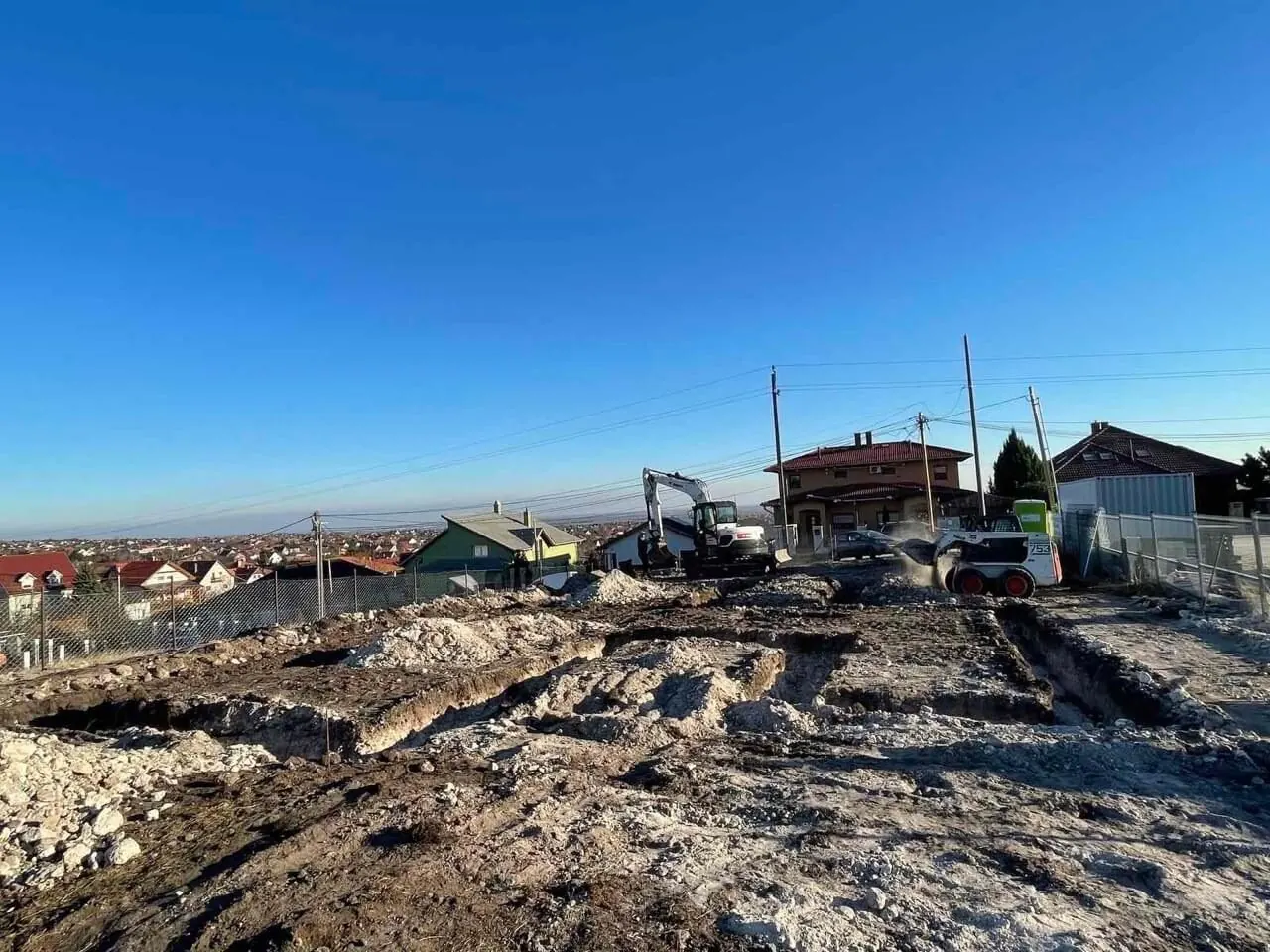
Buying a Plot for House Building: 10 Checks Before You Sign
The first and most expensive decision in house building is not the walling material but the plot. Ten checks before you sign – the cost and feasibility of the build depend on them.
Read more →