
Room Painting Tips and Common Mistakes
Painting a room does not start with choosing the colour but with the wall. We go through what determines whether the result still looks good years later.
Most people think that painting, or decorating a room, starts with choosing the colour. We look at a few pictures after searching for modern living room ideas, save three shades of beige, and suddenly feel that we have become interior designers.
Then the wall comes into the picture.
And there it usually turns out quickly that painting a room is not just a matter of someone running a roller over the wall.
Cracks. Old wallpaper. Damaged plaster. An uneven surface. Walls painted over in several coats without skimming or priming. These are things you do not necessarily notice at first, yet after a fresh coat of paint every flaw somehow shows all the louder.
Yet the secret of good painting is not necessarily the paint itself. It is the preparation.
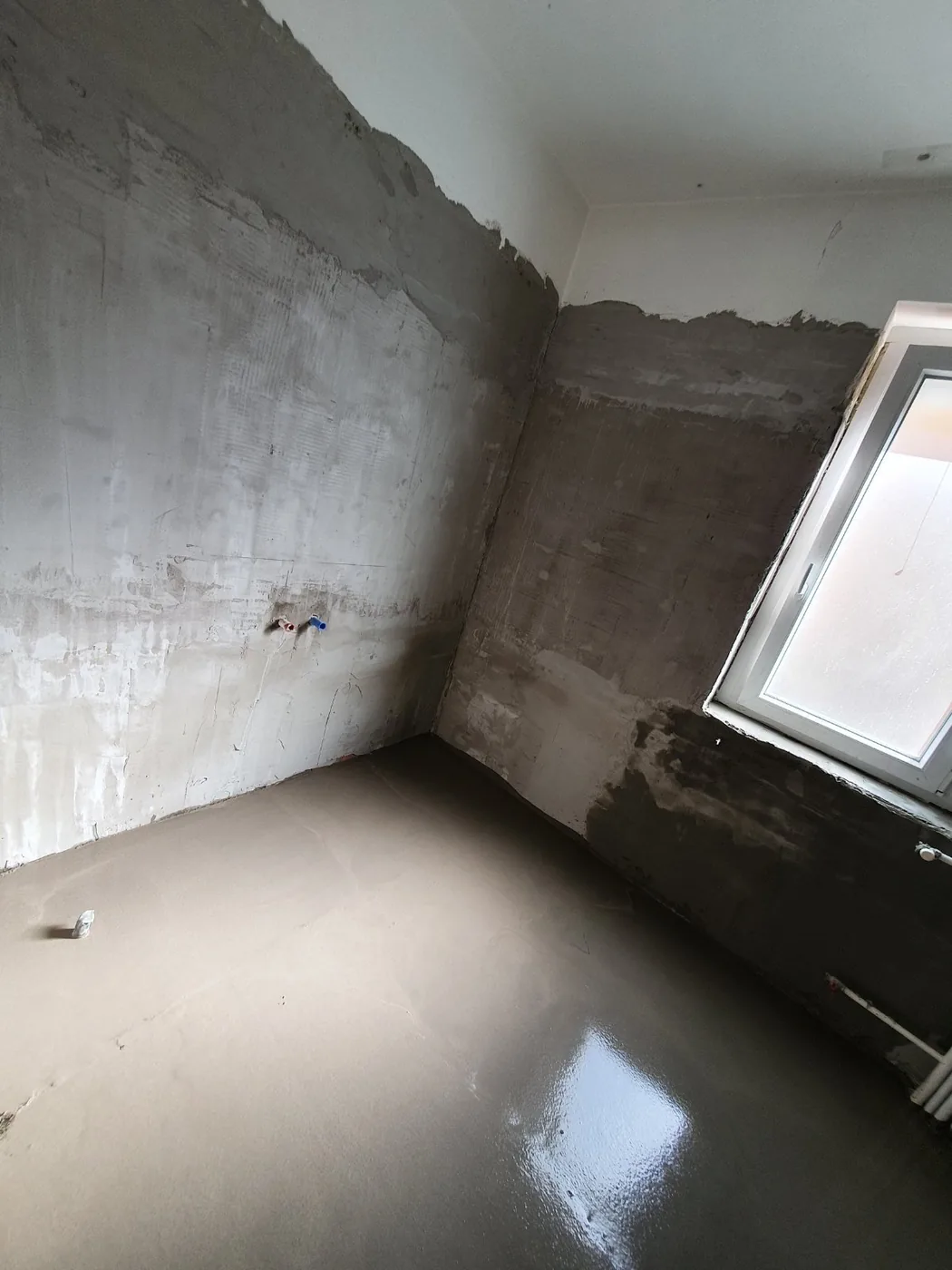
Preparing the wall is boring… but everything depends on it
Almost everyone would like to skip this part. Yet this is where it is decided whether the end result will look good for two months or for ten years.
Removing the old paint, for example, is compulsory in many cases. If the wall is flaking, blistering or porous, it is completely pointless to put a new coat on it. The fresh paint may look nice at first, then one day it starts to come off, and the whole job begins again from scratch.
The same is true of wallpaper. Under old wallpaper there are often defects that cannot be seen from the outside. Damp, cracks, poor plaster or earlier repairs. That is why a good painter or painter-decorator does not start painting straight away, but first looks at what they are working with.
And yes, this is the part that suddenly turns most "quick weekend projects" into a three-week renovation.
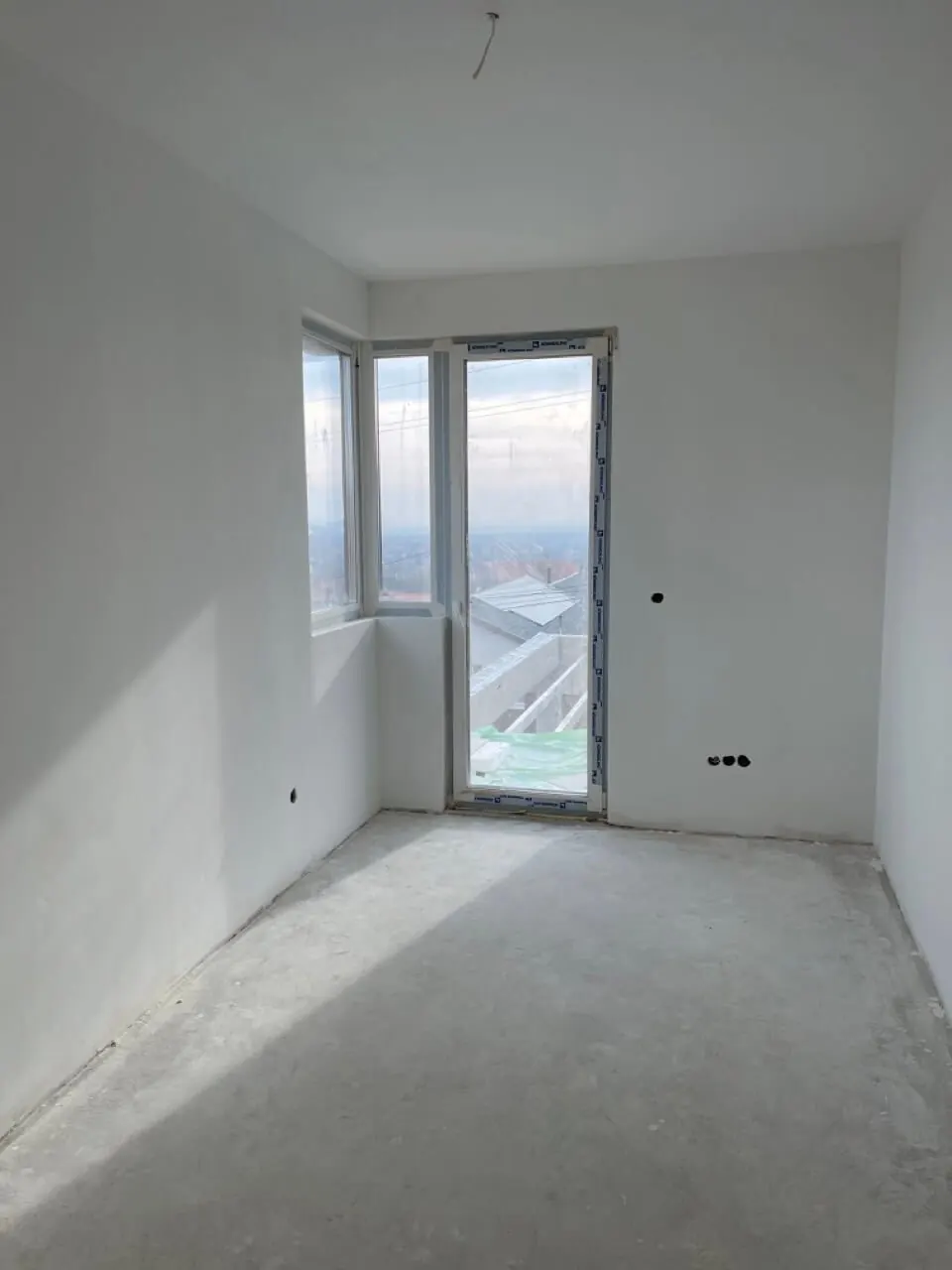
Skimming is one of the most important parts of painting a room
Many people believe that skim filler is just a bit of minor smoothing before painting. In reality, however, skimming is one of the most visible differences in quality between a careful job and a rushed one.
A poorly skimmed wall can look particularly ugly after painting. Especially when light paint colours go onto it, or when the room gets light from the side through large windows. Sunlight mercilessly reveals every ripple and flaw.
That is why professional work does not consist of a single coat of skim. Before a skimmed wall is painted, several coats are usually needed, followed by sanding. Sanding the skimmed wall is the point where the surface is finally smoothed out and the even wall takes shape that makes a room feel tidy and well finished.
In old apartments, faults in the plastering often come to light at this stage too. It can happen that the plaster has come loose, is cracking or was badly repaired earlier. These cannot simply be painted over, because the problem will come back.
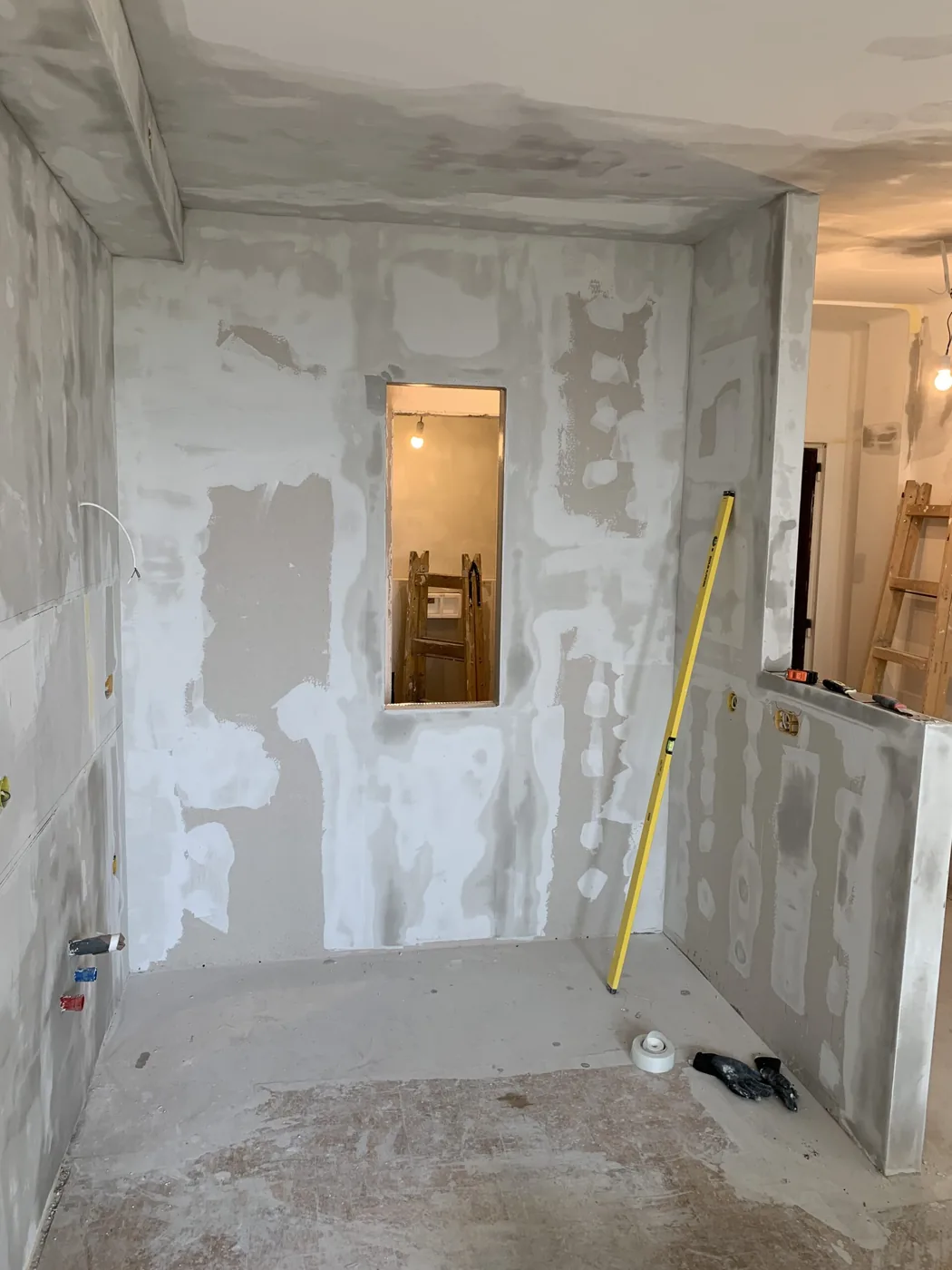
Plasterboard walls and ceilings: a modern solution, but one that requires precise work
Plasterboard is now part of almost every serious renovation. A well-built plasterboard suspended ceiling or plasterboard structure makes the space modern, and combined with lighting it can be very striking.
However, plasterboard behaves completely differently from a traditional wall. It absorbs moisture differently, is more sensitive to faults, and shows imprecise skimming much more clearly.
That is why proper priming and an even surface finish are important. A poorly prepared plasterboard wall can easily look patchy or streaky after painting, even if more expensive paint is used.
And of course there is ceiling painting as well, which always sounds simple on paper, right up until the paint starts dripping down your neck.
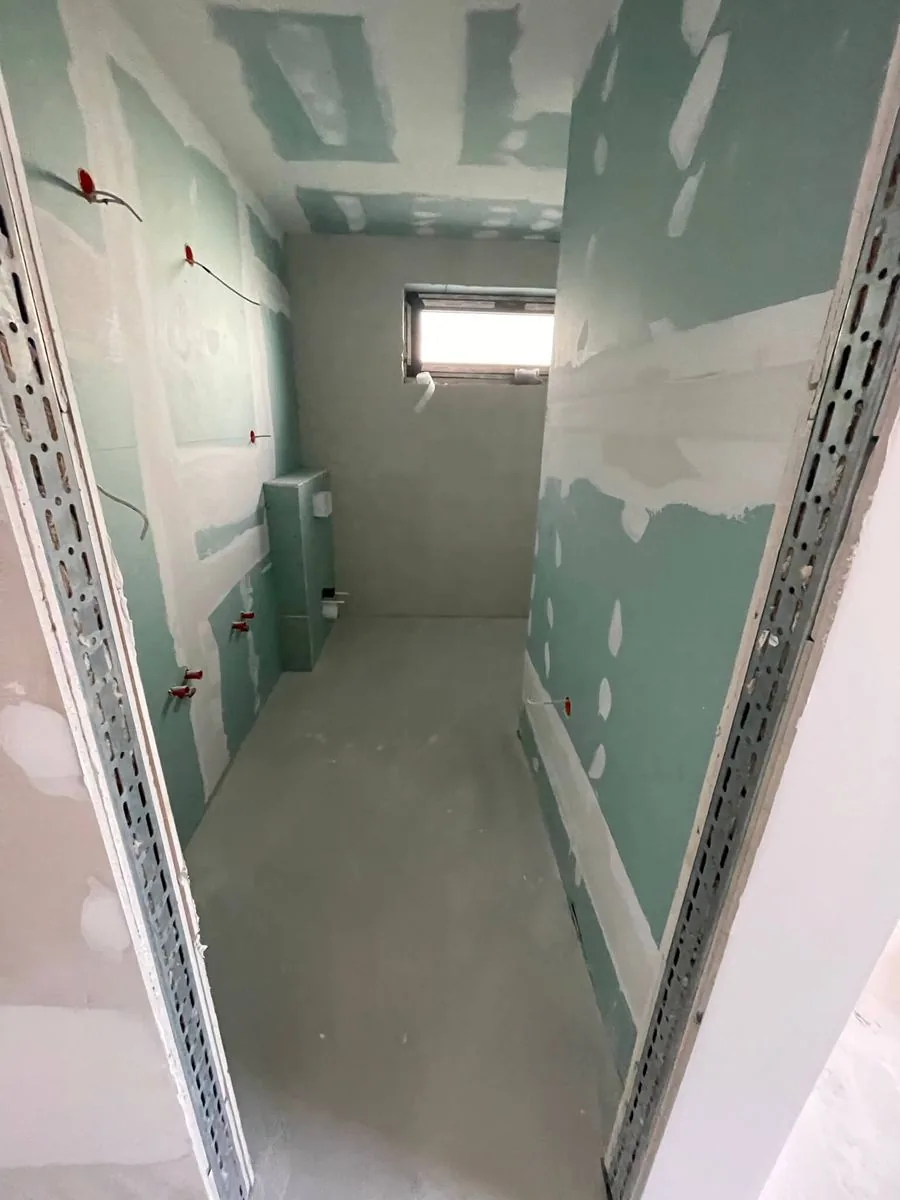
Paint colours: what looks good on Pinterest does not always work in reality
Choosing paint colours is much harder than it first seems. On a phone screen every living room looks huge and sunny, but the features of a Hungarian apartment are often completely different.
In modern living room trends, warmer, natural shades are very popular at the moment. Off-white, sand, light beige or earth tones create a much cosier atmosphere than the old cold greys.
Of course, fashion is not the only thing that matters when deciding how to paint a room. The size of the space, the natural light and the colour of the furniture are at least as important. A smaller living room, for example, can be completely crushed by a shade that is too dark, while a lighter colour makes the room feel much airier.
In the kitchen, practicality matters as well. When planning a kitchen many people concentrate only on the units, although the walls define the overall effect just as much. A more hard-wearing, more washable coating is usually recommended here, because steam, grease and everyday use put a far greater strain on it.
Because it makes no difference how beautiful the paint colours are if six months later the wall looks like a spaghetti-sauce battlefield.
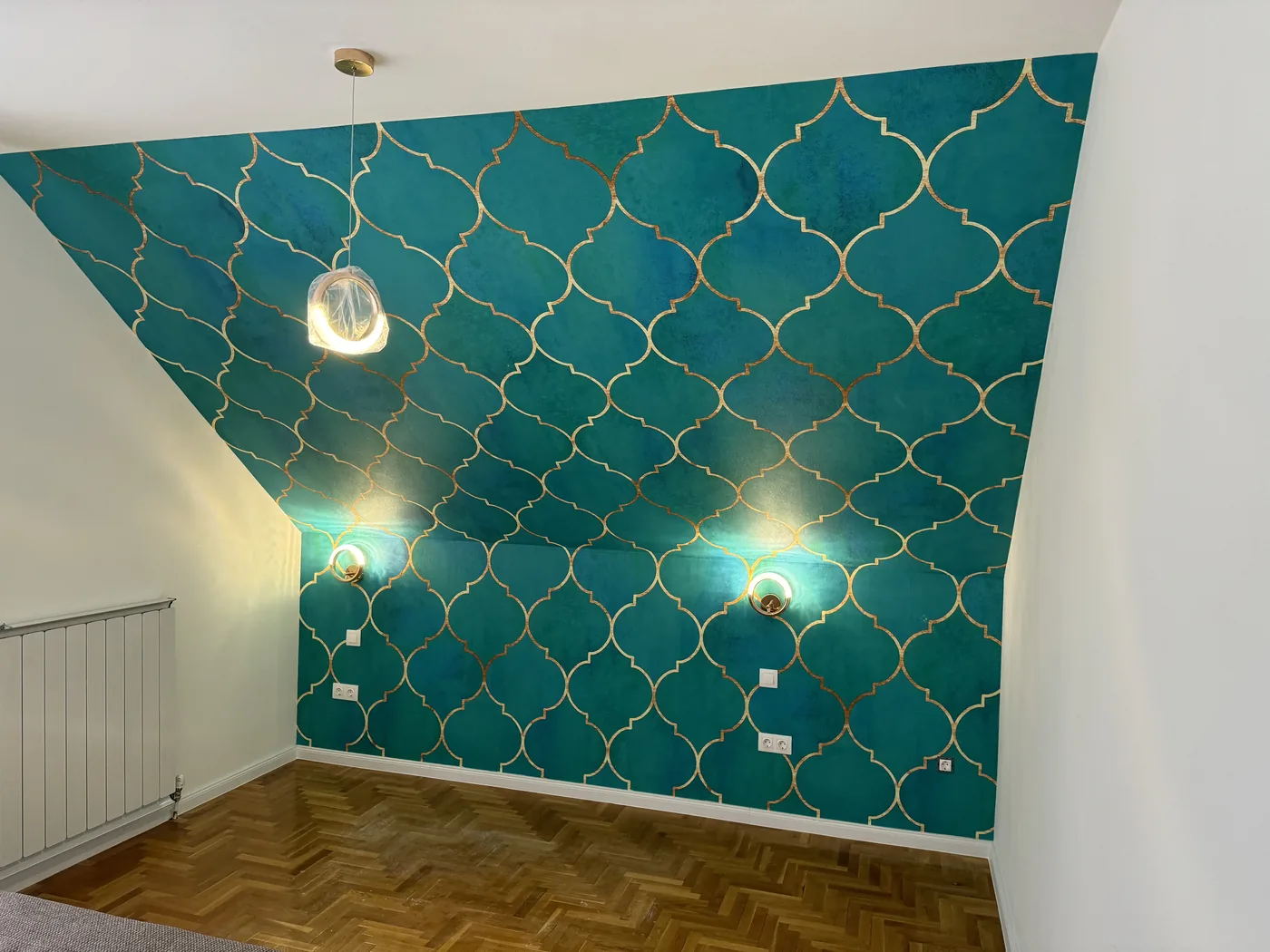
Wallpaper: no longer the old world
In many people's minds wallpaper still means the old patterned walls that were impossible to strip. Today's solutions, however, are on a completely different level.
Modern vinyl wallpaper, for example, is particularly durable and easy to clean, which is why many people use it in the living room or even in certain parts of the kitchen. And a photo mural no longer means a tacky palm-tree poster, but really quite striking design solutions.
But the same basic rule applies here too: there is no good wallpaper for a bad wall. If the surface is faulty, uneven or not properly prepared, the wallpaper will show it just the same.
When is it worth calling a professional?
For many people, painting a smaller room is perfectly manageable on their own. But when skimming, crack repair, plastering or a complete plasterboard system comes into play, experience counts for a great deal.
A professional painter does not just work faster. They know exactly in what order to proceed so that the painting is more efficient. When to prime, how the given wall behaves, and which fault will turn into a serious problem later.
And that is the difference you can see every day after a well-done paint job.
Not only when it is finished. But years later too.
Request a no-obligation quote
On-site survey, itemised cost estimate, fixed deadline and warranty – we reply within 1 business day.
- Reply within 1 business day
- Itemised cost estimate
- Fixed price, fixed deadline, warranty
Related articles
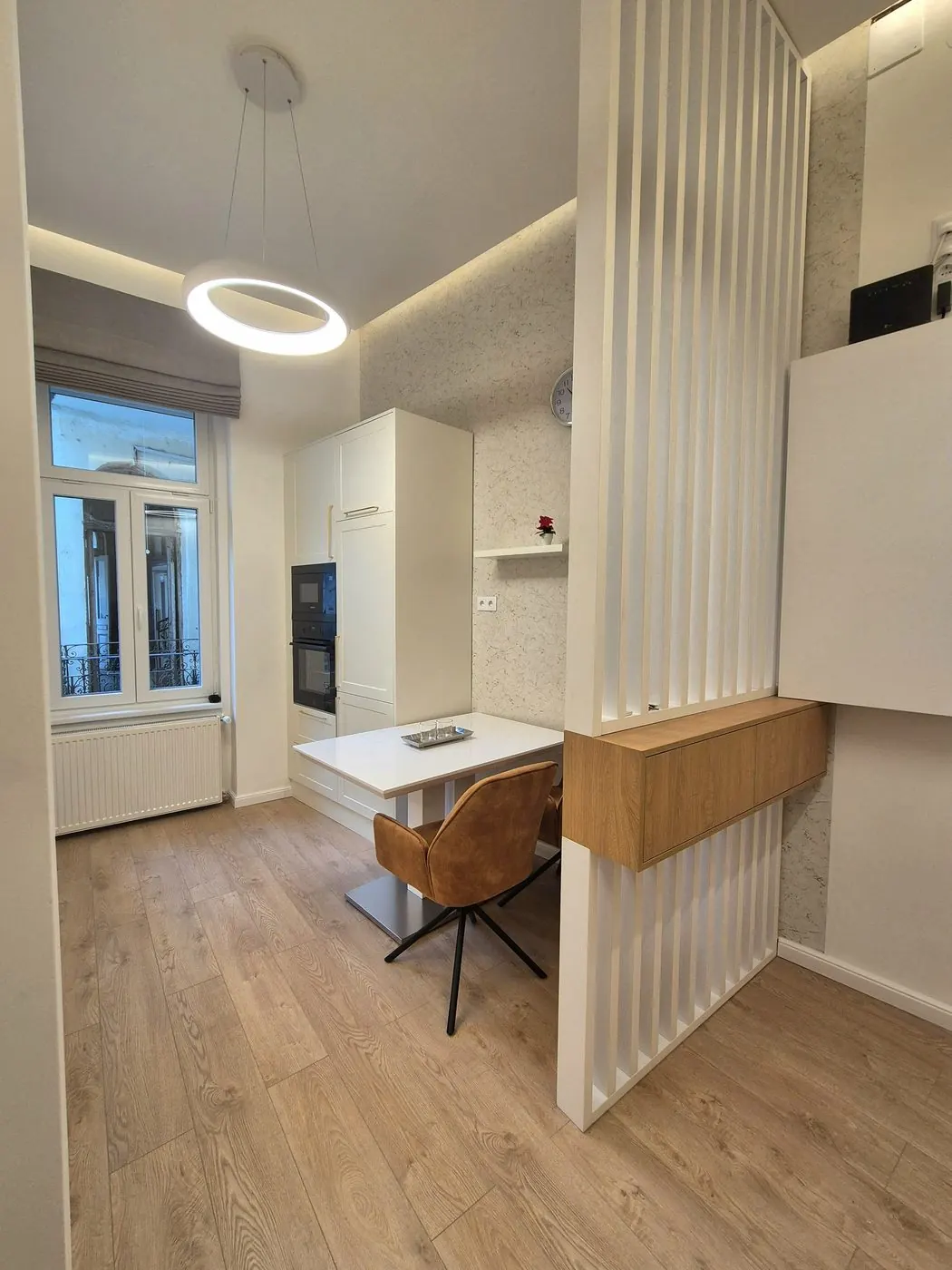
Why DIY Coordination Costs More Than a Contractor
Most renovations don't bleed money on materials. They bleed on wrong sequencing, late decisions and nobody seeing the whole picture.
Read more →
Why Budapest Renovations Go Wrong at the Start
The kitchen plan was ready, the sofa colour chosen, thirty Pinterest boards saved. Then it turned out the wiring couldn't handle the air conditioner. Most renovations fail where there is no system.
Read more →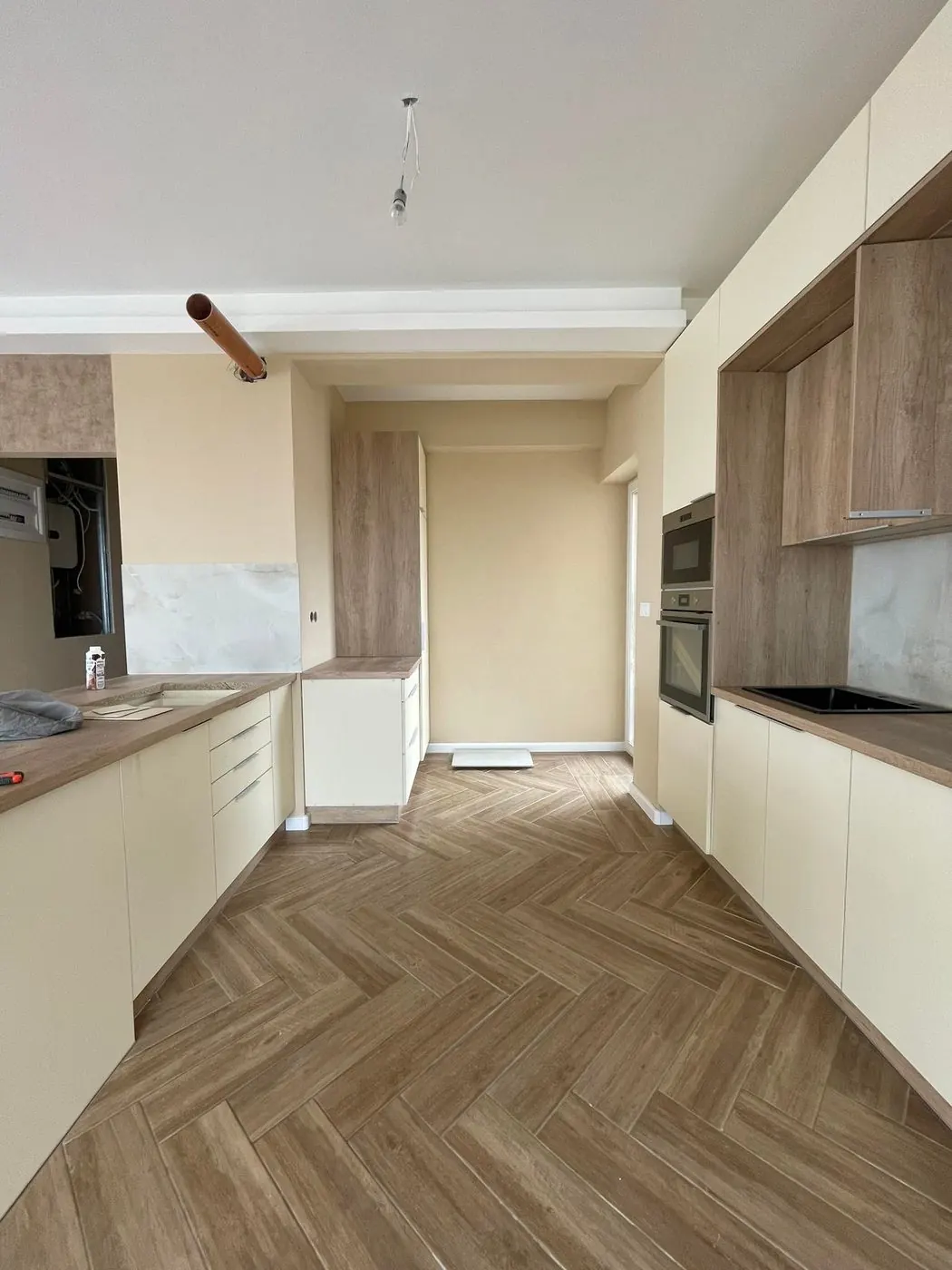
Apartment Renovation Costs 2026: How Much?
Prices per square metre, labour and material costs, room-by-room costs and hidden items: realistic numbers for an apartment renovation in 2026.
Read more →